
Announcements
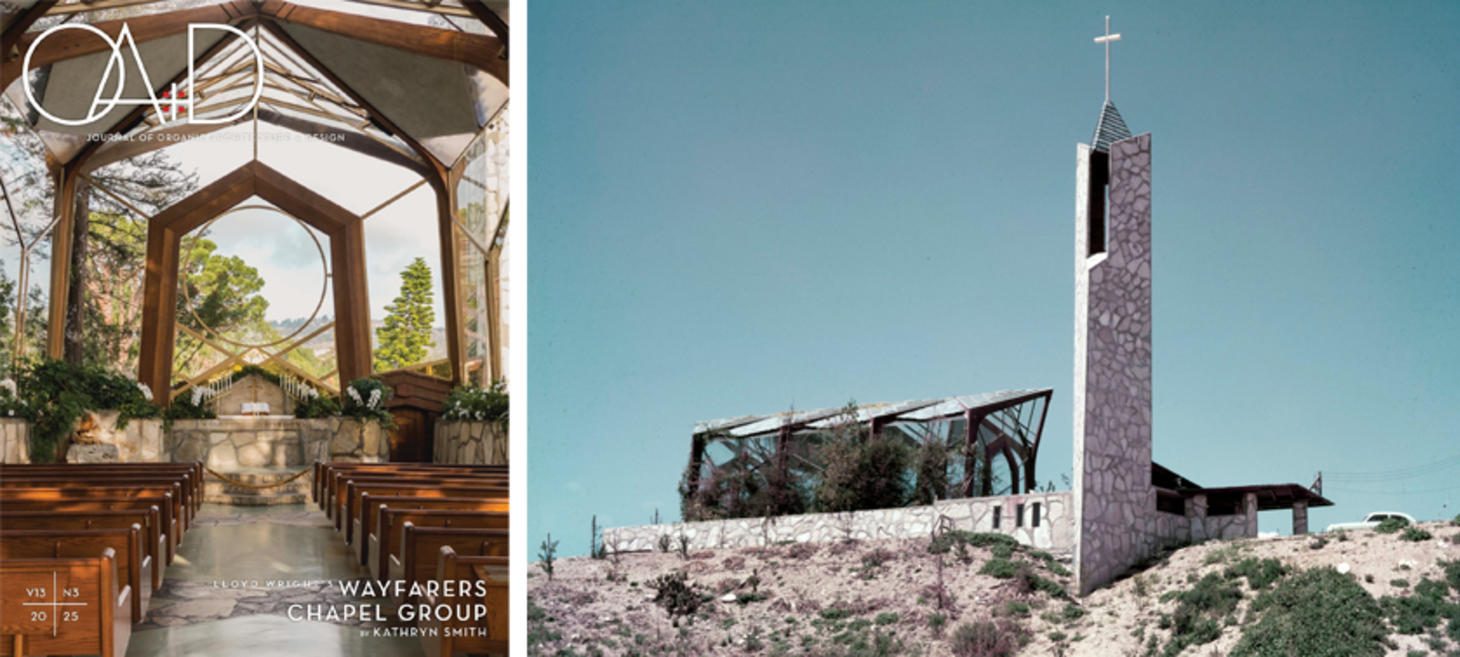
A Last-Minute Gift That Lasts All Year
Still searching for a meaningful, last-minute gift? A subscription to the Journal of Organic Architecture + Design published by the OA+D Archives is a gift that goes far beyond the holidays—one that inspires, educates, and preserves architectural legacy.
The newest issue spotlights the extraordinary story of Wayfarers Chapel, designed by Lloyd Wright. Through richly illustrated scholarship, this issue guest written by Kathryn Smith explores the chapel’s design, symbolism, and enduring place in the history of organic architecture—making it an ideal gift for architects, designers, students, and anyone who values thoughtful, place-based design.
Each annual subscription delivers three beautifully produced issues filled with original research, rare imagery, and new perspectives on organic architecture and design—past, present, and future.
Just as important, every subscription and donation directly supports the mission of Organic Architecture + Design Archives. Your gift helps OA+D:
• Preserve and care for irreplaceable architectural archives
• Publish new scholarship in the Journal of Organic Architecture + Design
• Digitize rare materials for public access
• Create exhibitions and educational programs that keep this legacy alive
A journal subscription is easy to give, meaningful to receive, and impactful long after the wrapping paper is gone. Make it a gift that matters. Give a subscription today and support the living legacy of organic architecture.
Peruse all the ways you can shop and support the OA+D Archives at oadarchives.org.
Click for more details: bigcartel.com
The Headlines
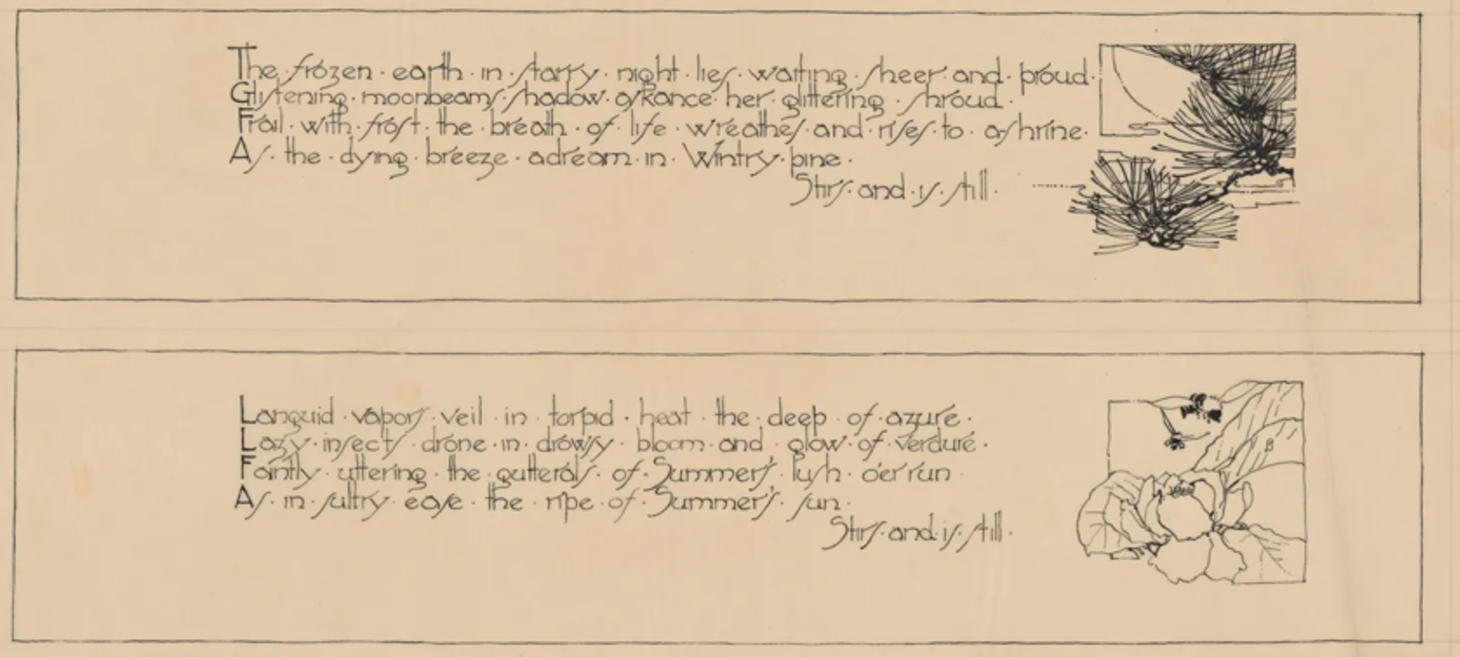
Christmas Cards Sent By Iconic 20th-Century Architects
Handcrafted holiday greetings reveal the personal side of architecture and design legends such as Charles and Ray Eames, Frank Lloyd Wright, and Ludwig Mies van der Rohe. Historic cards that are clever, charming and whimsical – testaments to the creativity of the 20th century’s greatest architectural minds. Read on for a look at festive designs from the Eameses, Wright et al, where holiday cheer meets design brilliance.
Click for more details: wallpaper.com
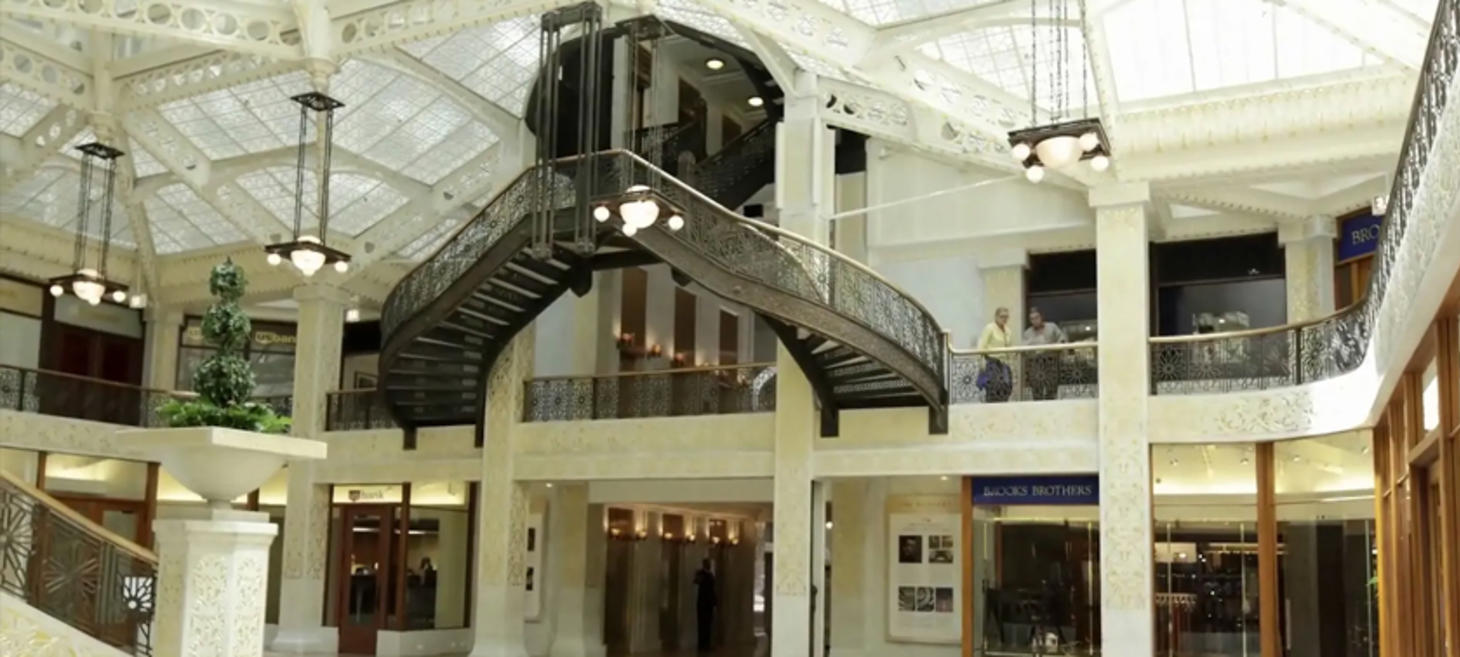
Frank Lloyd Wright's Remodeling Of The Light Court In Chicago's Rookery
Frank Lloyd Wright’s renovation of Chicago's Rookery Building’s light court modernized John Root’s original 1888 design without changing its basic structure. By the time Wright was brought in (about 20 years later), the dark colors and heavy ornament of the original interior felt outdated. Wright “freshened” the space by replacing dark finishes with white surfaces and gold accents, making the court brighter and lighter. He simplified Root’s ornate, chamfered, octagonal forms into cleaner, right-angled geometries that reflected a more modern aesthetic.
Wright also introduced new artistic and symbolic elements: custom light fixtures that turned functional features into design statements, and planters integrated into the staircase newel posts, expressing his belief in incorporating nature into architecture. Overall, the renovation represents a moment of tension between traditional, classical design and the emerging modern ideas of Wright and the Prairie School, with the light court serving as an early urban example of Wright’s progressive vision.
Click for more details: britannica.com
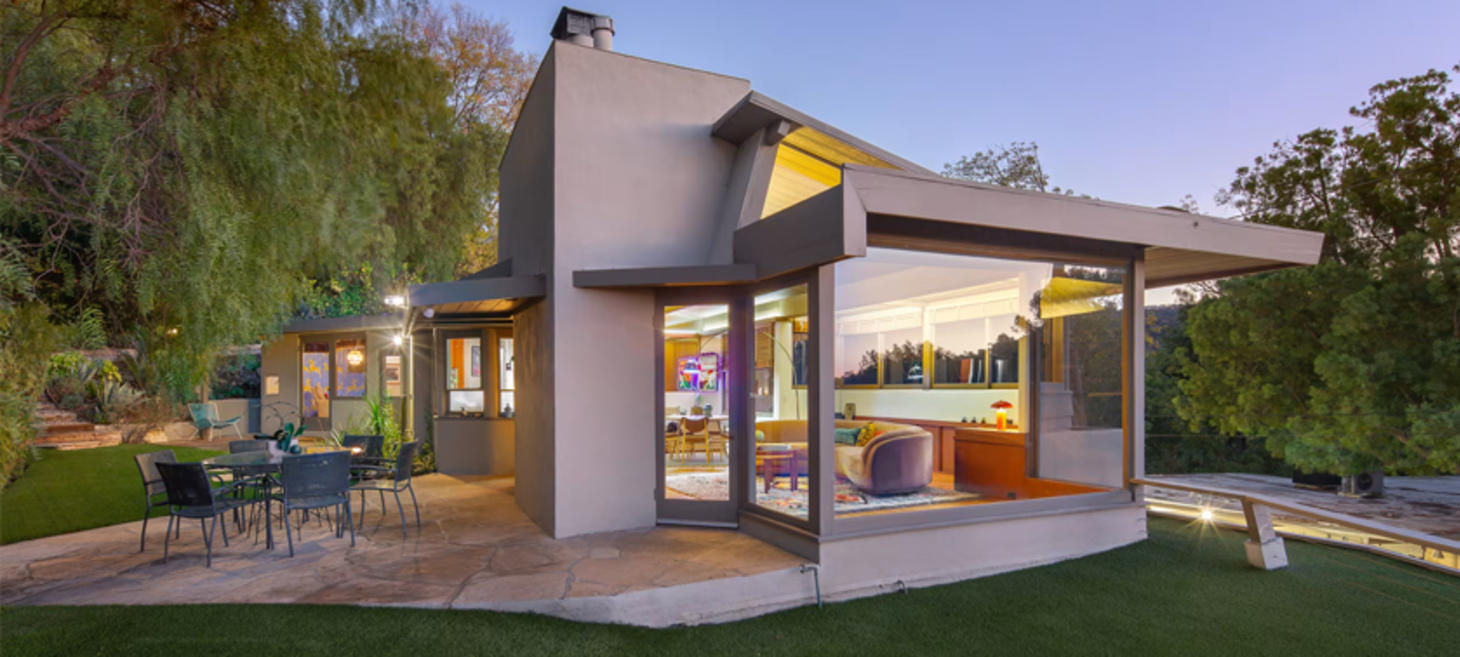
One Of Rudolph Schindler’s "Space Architecture" Homes Hits The Market In Los Angeles
A rare Rudolph Schindler–designed home in Studio City, California is on the market for $2.8 million, having had only four owners in nearly 80 years—all of them creatives in the entertainment or media world. Built in 1946 for screenwriter and actor Roxy Roth, the home later belonged to journalist and author Susan Orlean and is now being sold by TV writer-producer Zahir McGhee and his wife, Erica.
The nearly 2,000-square-foot, three-bedroom house remains largely true to Schindler’s original vision of “Space Architecture,” which emphasizes interior experience over exterior form. Its geometric layout features alcoves, built-ins, abundant windows, and seamless indoor-outdoor connections.
Highlights include a dramatic open-plan living and dining area with a large picture window overlooking the valley, a loft-like primary suite with balcony access, and a converted carport office designed by Barbara Bestor. Subtle updates include a kitchen remodel faithful to the original style. Native landscaping, patios, and a fire pit sitting area complete the property.
Click for more details: mansionglobal.com
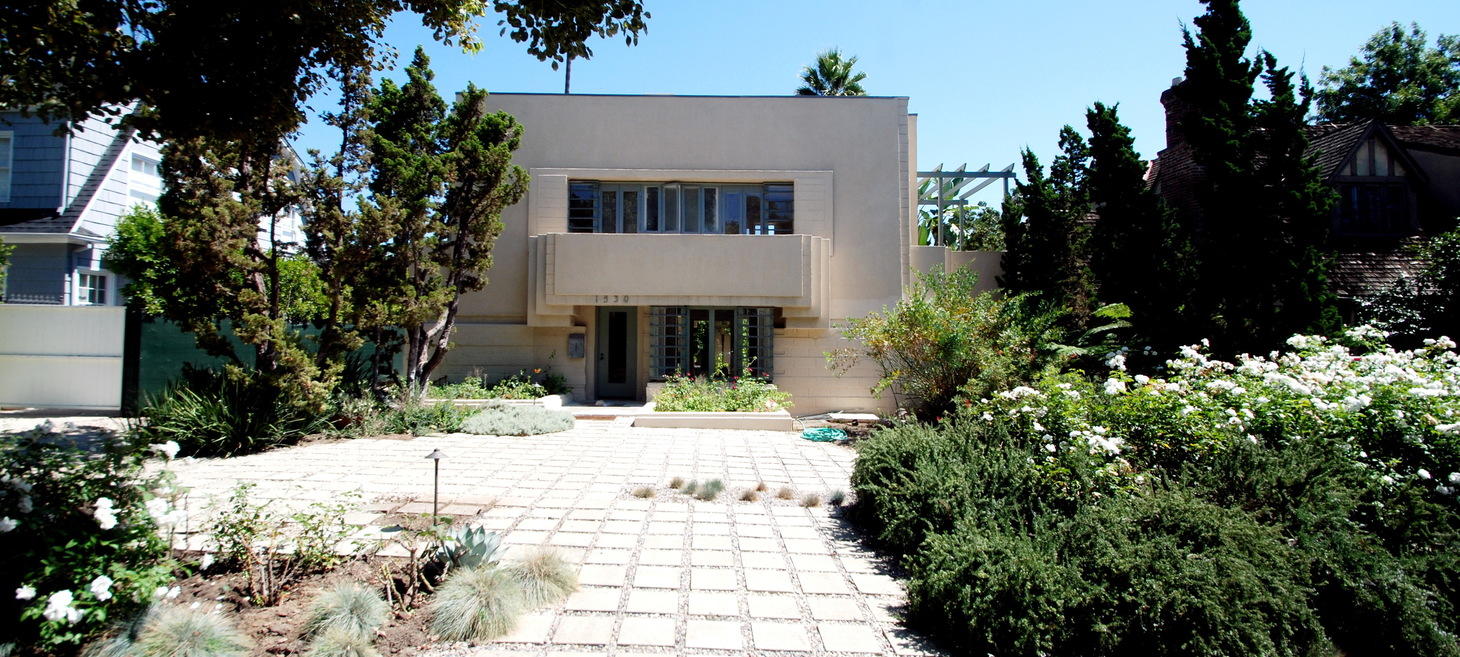
The Bollman House Is Celebrating With An Amazing Light Show
If you’re cruising around L.A. this weekend looking for something festive but free—of both crowds and admission—head to Highland Park. One of the city’s most iconic homes is celebrating with a visual treat that you'll want to slow down for.
The Henry O. Bollman House, a striking early work by architect Frank Lloyd Wright Jr., is hosting a free projection light show from 7pm to 8pm on December 27. The show runs on a 10-minute loop and transforms the home’s patterned concrete façade into a glowing canvas of projected art. There’s no formal program or entry point, you just drive by, slow down and take in the beauty of the home and the projections.
The light show celebrates the holidays as well as Bollman House’s recent listing on the National Register of Historic Places, a major milestone for a building that helped shape Los Angeles’ architectural identity. Few designers left a deeper mark on the city than Frank Lloyd Wright Jr., and this home is one of the clearest expressions of his early, independent voice.
Commissioned by builder and developer Henry Bollman, the house was constructed between 1922 and 1923. It’s best known for its use of pre-cast concrete textile blocks, an innovative technique at the time that allowed for intricate, repeating patterns. It feels both modern and ancient, with strong Mesoamerican influences in its geometric exterior.
Behind those walls, the house spans about 2,500 square feet and includes four bedrooms and two bathrooms. But this weekend, the focus is on the outside. Projected visuals ripple across the blocks, highlighting textures and shapes that are easy to miss in daylight.
The Bollman House was already recognized as Los Angeles Historic-Cultural Monument No. 235 back in 1980. Its new national designation further cements its importance, and organizers say this light show is just the beginning. There are hopes to turn the project into an ongoing community series, inviting different artists to reinterpret the house throughout the year.
For now, it’s a short, sweet holiday detour. So plan for a drive by this Saturday, December 27 between 7 and 8pm at 1530 N Ogden Drive.
Click for more details: timeout.com
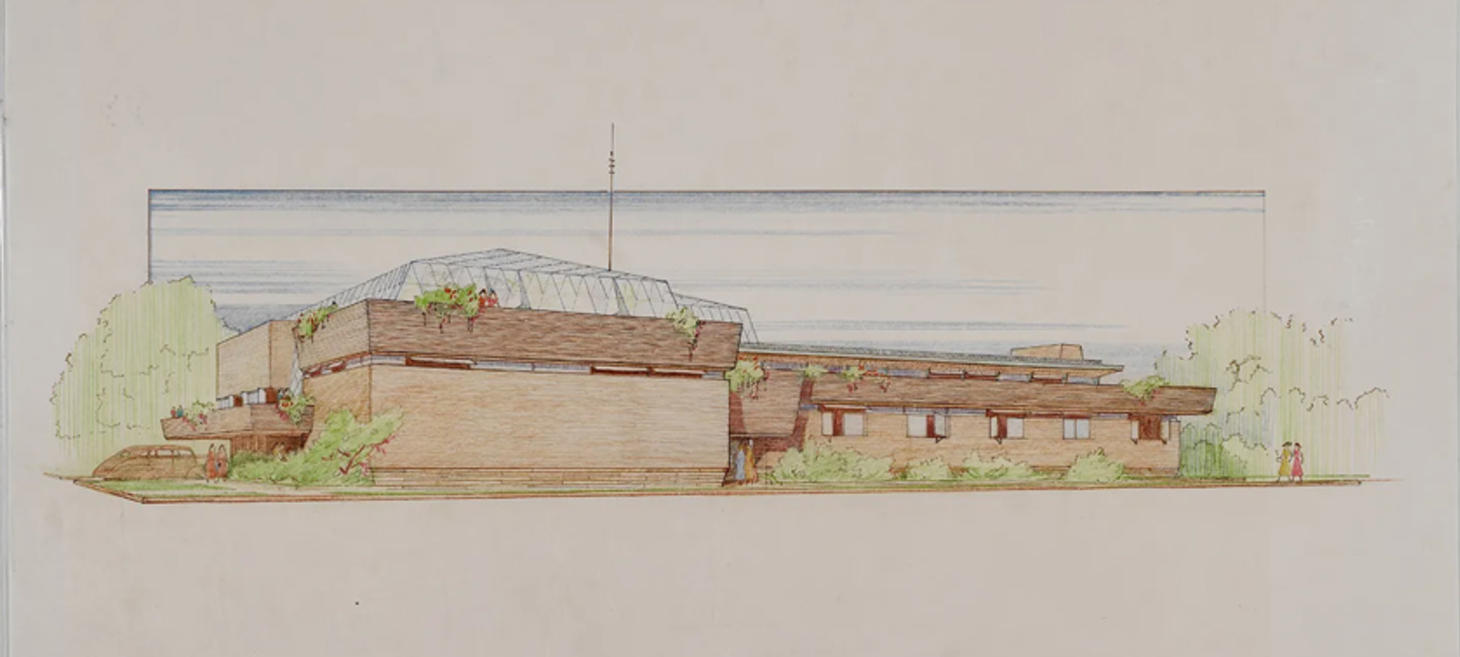
Frank Lloyd Wright Almost Designed the Racine YWCA in the 1940s
In a recent racinecountyeye.com article, Mark Hertzberg recounts how Frank Lloyd Wright nearly designed a new Racine YWCA in Racine, WI during the late 1940s, a project initiated through his close relationship with H.F. Johnson Jr. and envisioned as a bold, light-filled civic landmark unlike any conventional institutional building of its time. Wright proposed an ambitious design centered on an open atrium, clerestory lighting, a dramatic glass roof, ramps connecting multiple floors, and extensive community amenities—including a rooftop pool—but growing concerns over cost and the YWCA board’s consideration of competing architects led Wright to withdraw from the commission in 1950, consistent with his refusal to compete for work. Ultimately, a more restrained building by another architect was constructed and served the community for decades, while Wright’s unbuilt design—documented through drawings, letters, and later scholarship—has endured as a poignant example of what might have been, reflecting both Wright’s visionary approach to civic architecture and the tensions between ambition, budget, and institutional decision-making.
Click for more details: racinecountyeye.com
About
This weekly Wright Society update is brought to you by Eric O'Malley with Bryan and Lisa Kelly. If you enjoy these free, curated updates—please forward our sign-up page and/or share on Social Media.
If you’d like to submit content to be featured here, please reach out by emailing us at mail[at]wrightsociety.com.
Eric, Bryan & Lisa | Wright Society Publishers