
The Headlines
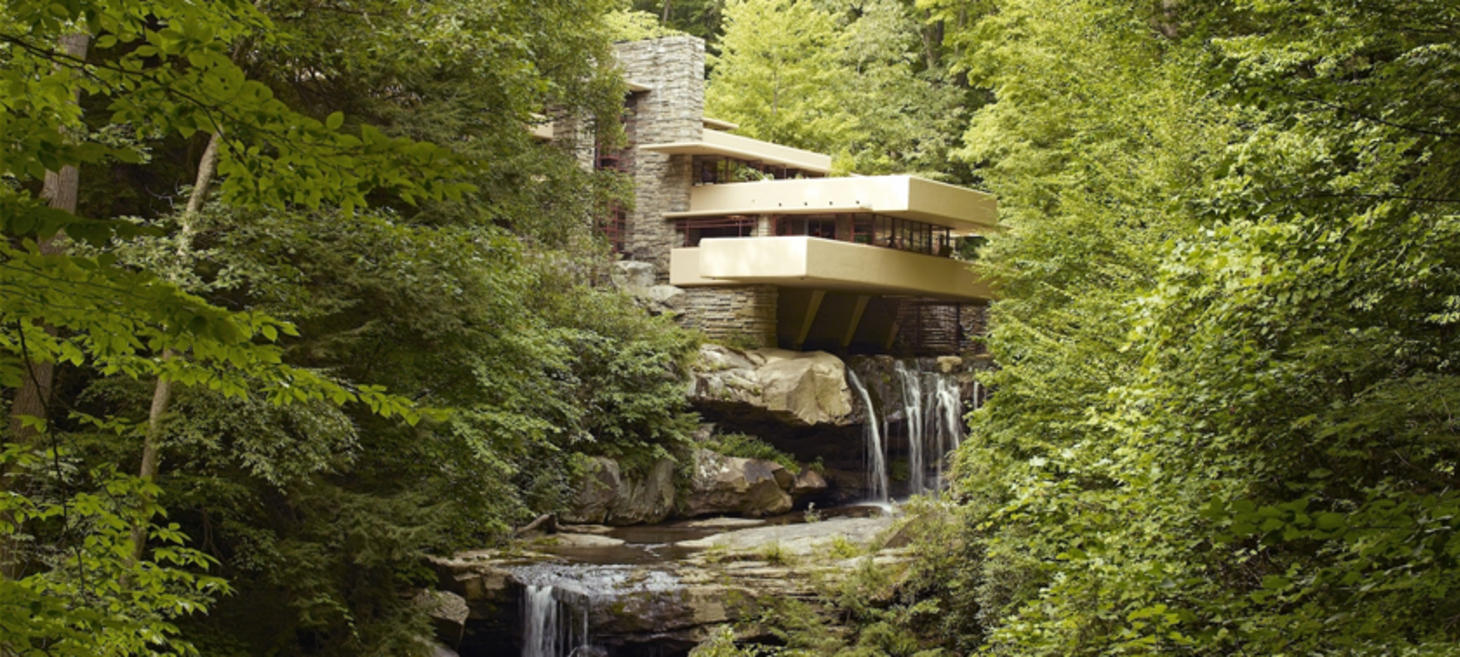
Reflections: Fallingwater
Architecture Today reflects on Frank Lloyd Wright’s Fallingwater as a pivotal and enduring architectural masterpiece, Written by John Pardey as part of a series on great buildings of the nineteenth and twentieth centuries.
"No house should ever be on a hill or on anything. It should be of the hill. Belonging to it. Hill and house should live together each the happier for the other.”— Frank Lloyd Wright
Wright’s belief that a house should be part of the land itself, sets up the discussion of how Fallingwater embodies this philosophy. Pardey traces Wright’s rise from his early practice in Chicago and his association with the Prairie School, through professional ups and downs, to the commission for the Kaufmanns’ weekend home in Bear Run, Pennsylvania, at age sixty-seven.
Fallingwater not only revived his career but propelled him to worldwide fame, gracing Time’s cover in 1938 as evidence of his genius. Pardey highlights how the design integrates with its site with bold cantilevered terraces that seem to float above the waterfall, balancing horizontal planes with a massive stone chimney stack. He notes subtle European influences on its form while ultimately situating the house within Wright’s organic architecture ethos, and mentions that while the exterior captivates, the interior’s low ceilings and framing of views can feel less successful.
Fallingwater’s composition, public reception and its place in architecture history underscore Wright’s belief that buildings should grow from and belong to their environment.Fallingwater not only revived his career but propelled him to worldwide fame, gracing Time’s cover in 1938 as evidence of his genius.
Click for more details: architecturetoday.co.uk
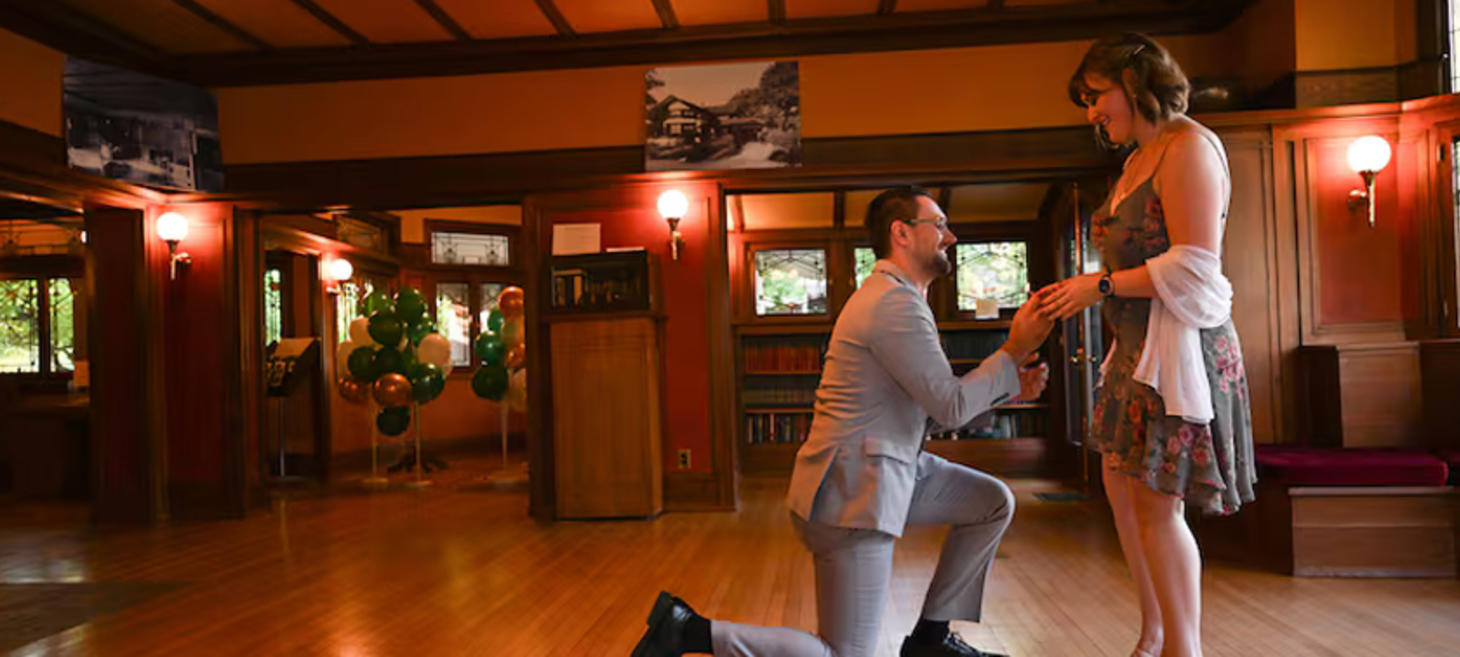
Found Mr. "Wright" At The B. Harley Bradley Home In Kankakee
In Kankakee, Illinois, a romantic and cleverly planned proposal took place at the historic B. Harley Bradley House when 23-year-old Colin Furrow surprised his longtime girlfriend, 25-year-old Karilyn Ross, by getting down on one knee during what she thought was a “free private tour” of the Frank Lloyd Wright-designed home.
Ross, who has long admired Wright’s architecture, believed her boyfriend had won a contest for a couples’ tour of the house, which dates back to 1900 and is notable as an early example of Wright’s Prairie School style. Furrow, with the help of the house’s staff, had created a fake contest and emails and even arranged for a fake email announcement to make the tour seem legitimate.
During the visit in early October, Ross was directed to look for hidden initials Wright supposedly carved, but when she turned around she saw Furrow with a ring. She said yes, and the moment was captured by a planned photography session. The couple, who met on a dating app and just marked their two-year anniversary, plan to marry on May 15, 2027, and hope to visit more Wright homes together. Furrow said thoughtful, creative planning can make a meaningful surprise without being expensive.
Click for more details: shawlocal.com
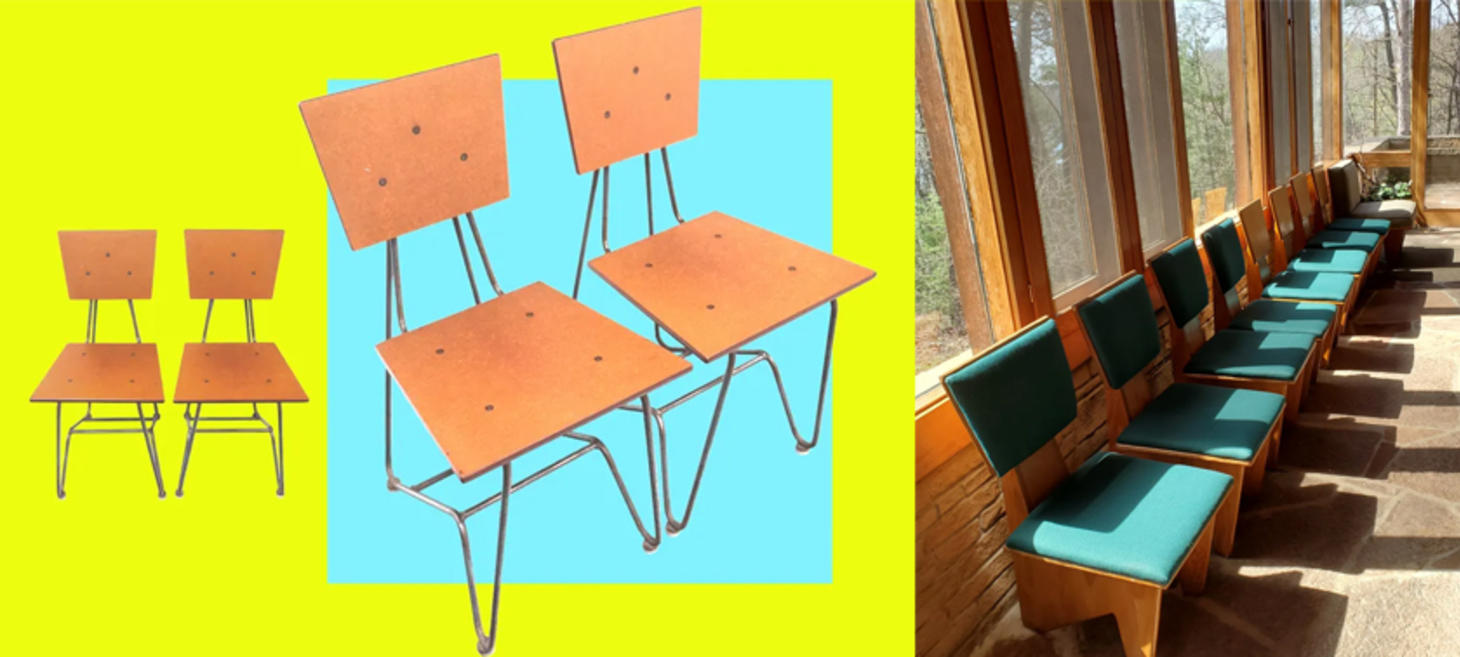
Young Collectors Are Buying Up Chipotle Chairs
Production designer Leo Swartz’s Ridgewood apartment is filled with respected vintage pieces—like a tweed couch by Milo Baughman, seating by Rodney Kinsman, a Ingmar Relling Siesta chair, and a Bruce Sienkowski armchair—but his dining chairs come from an unlikely source: Chipotle.
Since the chain’s 1993 debut, Chipotle has cultivated a minimalist, industrial aesthetic. Now, the original plywood-and-steel chairs from its early locations have become cult collectibles. They’ve appeared on resale sites and at auction, fetching hundreds to over a thousand dollars, as nostalgia and appreciation for their raw, modernist look fuel demand among designers and vintage dealers.
The chairs’ origin traces back to Chipotle founder Steve Ells, who, inspired by architecture and raw materials, commissioned artist Bruce Gueswel to build simple plywood-and-steel seating for the first restaurant. The design was loosely modeled on chairs seen in the Seth Peterson Cottage, a 1958 Frank Lloyd Wright house. Early versions proved fragile, prompting engineer Steve Sauer to reinforce the design with a metal frame. Gueswel later simplified Sauer’s complex structure for easier, safer mass production, ultimately producing tens of thousands of chairs over four decades as the chain expanded.
Over time, material changes and cost-cutting tweaks created production challenges, and eventually Chipotle shifted to rounded, bent-plywood versions—ending the original design line. With Gueswel retired and the early models no longer made, the first-generation chairs have grown scarce. Like other once-humble functional objects that later became design icons, their afterlife as coveted vintage finds was never anticipated by their creators.
Click for more details: curbed.com
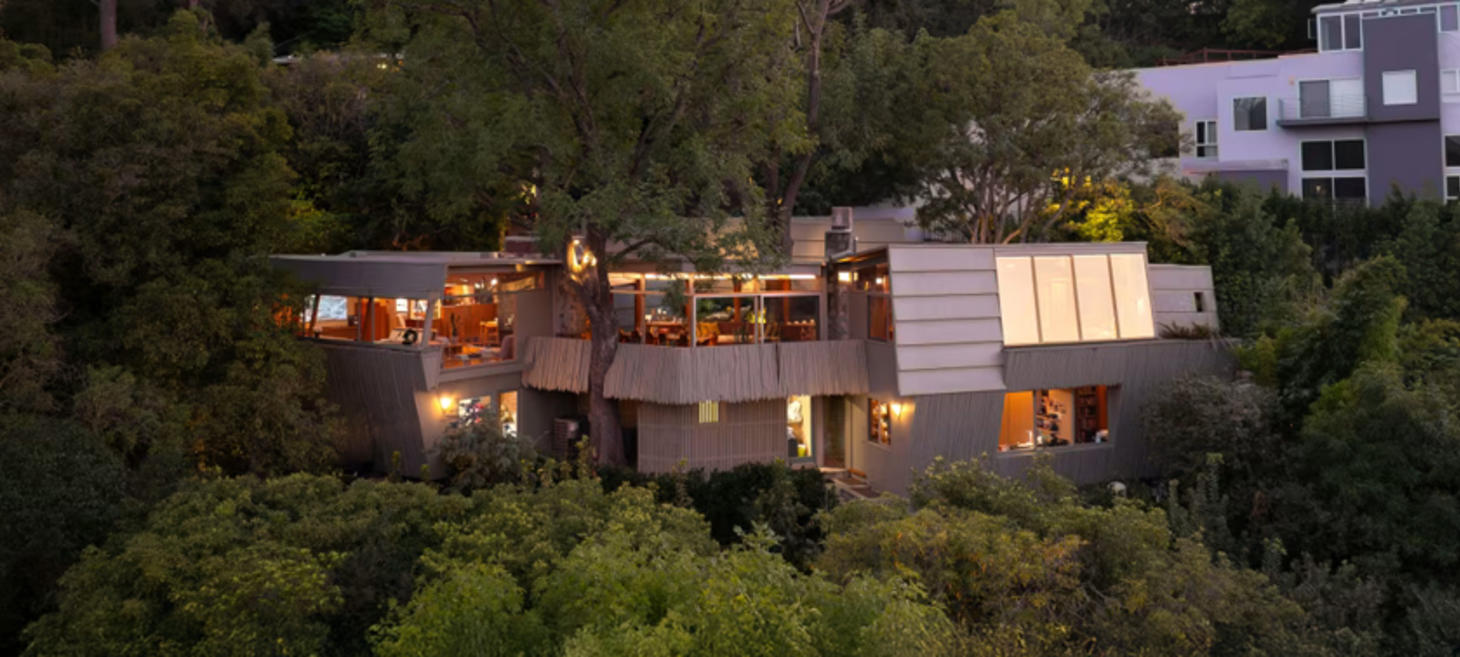
A Modernist Home Tucked Into The L.A. Hillside
Journalist Susan Orlean and her husband, retired banker John Gillespie, have restored a Rudolph Schindler–designed modernist house perched on a hillside in the Hollywood Hills and are now selling it.
They bought the iconic property, which had deteriorated with a failing foundation and painted-over original woodwork, for $2.1 million in 2017 and spent about $3 million to $4 million over roughly 4½ years lifting, stabilizing and renovating it to reveal the architect’s spatially inventive interiors.
Orlean, known for The Orchid Thief, and Gillespie fell for Schindler’s work soon after moving to Los Angeles in 2007 and have long been devotees of modern architecture. The house’s angled walls and cinematic sense of space reflect its designer’s experimental approach, but living in a landmark also brought frequent interruptions from fans seeking tours, a frustration for the couple.
They plan to spend more time in New York and Santa Barbara and are listing the home in a market where architecturally significant properties draw a focused group of buyers amid rising local prices.
Click for more details: wsj.com
21 Frank Lloyd Wright Buildings You Can Tour In The Midwest
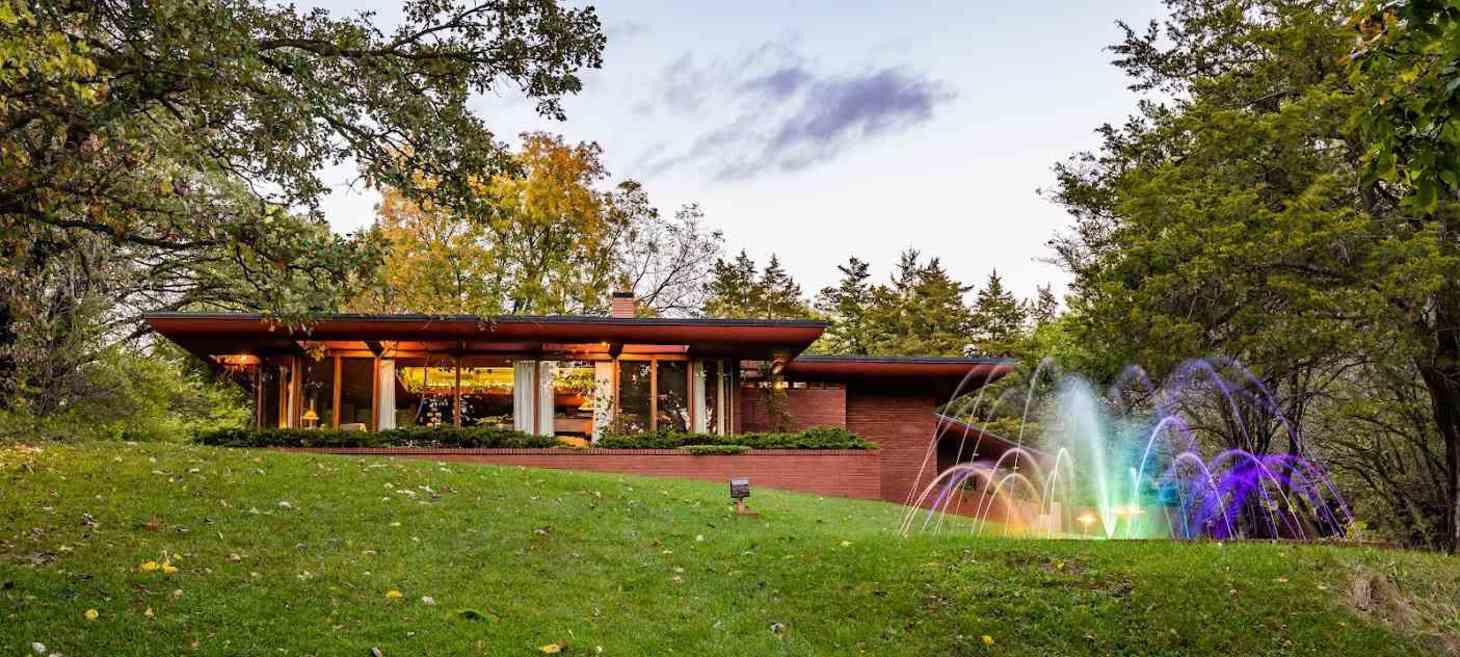
There are more than two dozen places in the Midwest where you can tour buildings designed by Frank Lloyd Wright, showcasing his enduring influence on American architecture and offering glimpses into both his design genius and dramatic personal history.
It begins with his Oak Park Home and Studio in Illinois, where Wright’s early Prairie School ideas took shape and visitors can join multiple tour options that also cover other nearby Wright landmarks. In Wisconsin, Taliesin in Spring Green reflects his lifelong work with Prairie style and includes tours of the home, studio, and surrounding structures on the expansive estate, while in Madison visitors can see striking public spaces like the Unitarian Meeting House and the Monona Terrace Community and Convention Center, the latter completed long after his death based on his vision.
Many unique residential sites are scattered across the region, including the Usonian Cedar Rock State Park house in Iowa, the richly furnished Dana-Thomas House in Springfield, Illinois, the meticulously restored Meyer May House in Grand Rapids, Michigan, and seasonal tours of Samara in Indiana. Ohio offers visits to the Weltzheimer/Johnson House and the restored Westcott House, and Missouri’s Kirkwood hosts the Frank Lloyd Wright House in Ebsworth Park.
Each site offers a chance to experience Wright’s varied architectural styles, from his signature Prairie designs to the more modestly scaled Usonian homes, with most requiring reservations or guided tours to explore interiors and learn about their history and design.
Click for more details: midwestliving.com
About
This weekly Wright Society update is brought to you by Eric O'Malley with Bryan and Lisa Kelly. If you enjoy these free, curated updates—please forward our sign-up page and/or share on Social Media.
If you’d like to submit content to be featured here, please reach out by emailing us at mail[at]wrightsociety.com.
Eric, Bryan & Lisa | Wright Society Publishers