
Announcements
Help to Secure a Rare Taliesin Fellowship Collection
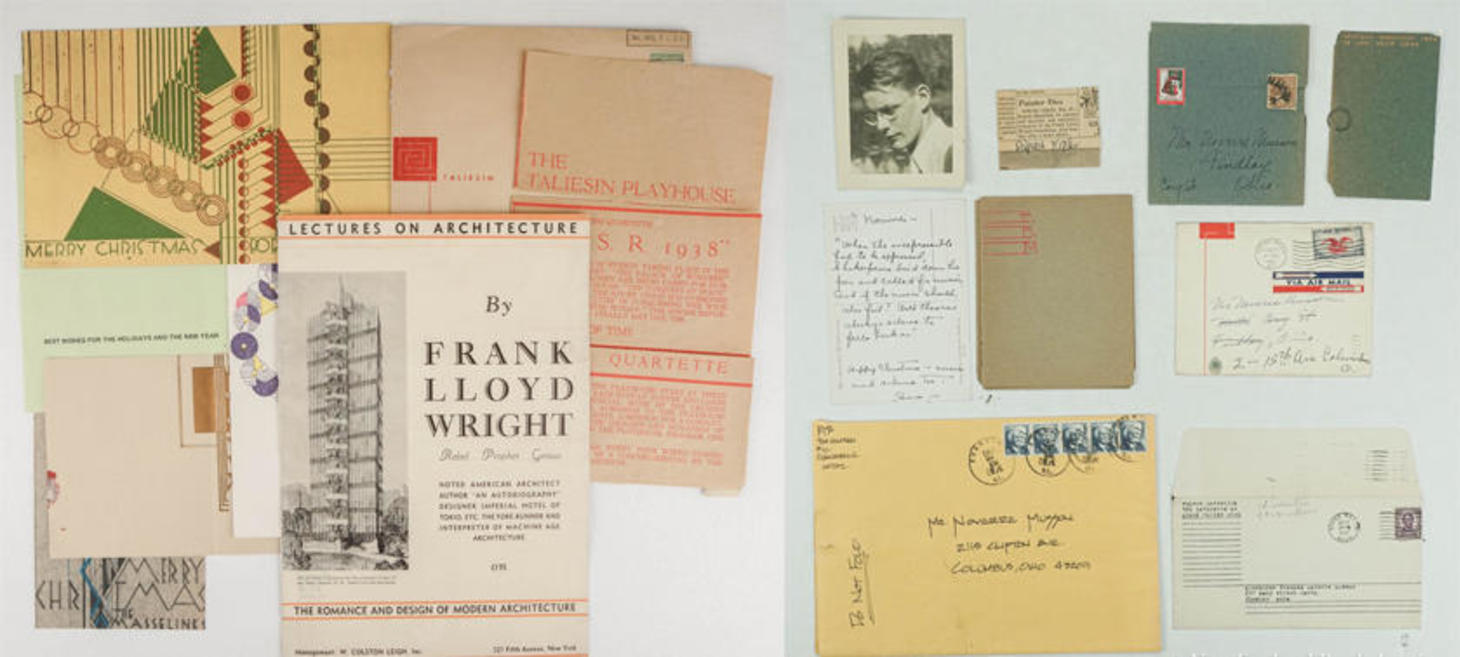
Don't miss the chance to be an archival hero! A rare and deeply personal collection connected to the Taliesin Fellowship has been secured, but OA+D needs your support today to complete this important effort.
The Noverre Musson Collection includes rare photographs, personal letters, early Taliesin ephemera, and objects designed by Gene Masselink, offering intimate insight into Fellowship life and creative exchange. When these materials unexpectedly appeared at public auction, a donor acting on behalf of the Organic Architecture + Design Archives stepped in to acquire all five lots together, preventing their dispersal. The acquisition totaled approximately $16,000.
OA+D is now undertaking a short, focused fundraising effort to help offset this cost, including special item postings on the **OA+D Archives Facebook page featuring rare items donated by generous supporters.
Please act today. Your tax-deductible contribution helps ensure these irreplaceable materials remain preserved in a public archive for study and access. Donate online or contact OA+D at info@oadarchives.org. Every gift matters, and your support is needed now.
Click for more details: moonclerk.com
The Headlines
FLWBC :: Out and About Wright St. Louis :: May 1-3, 2026
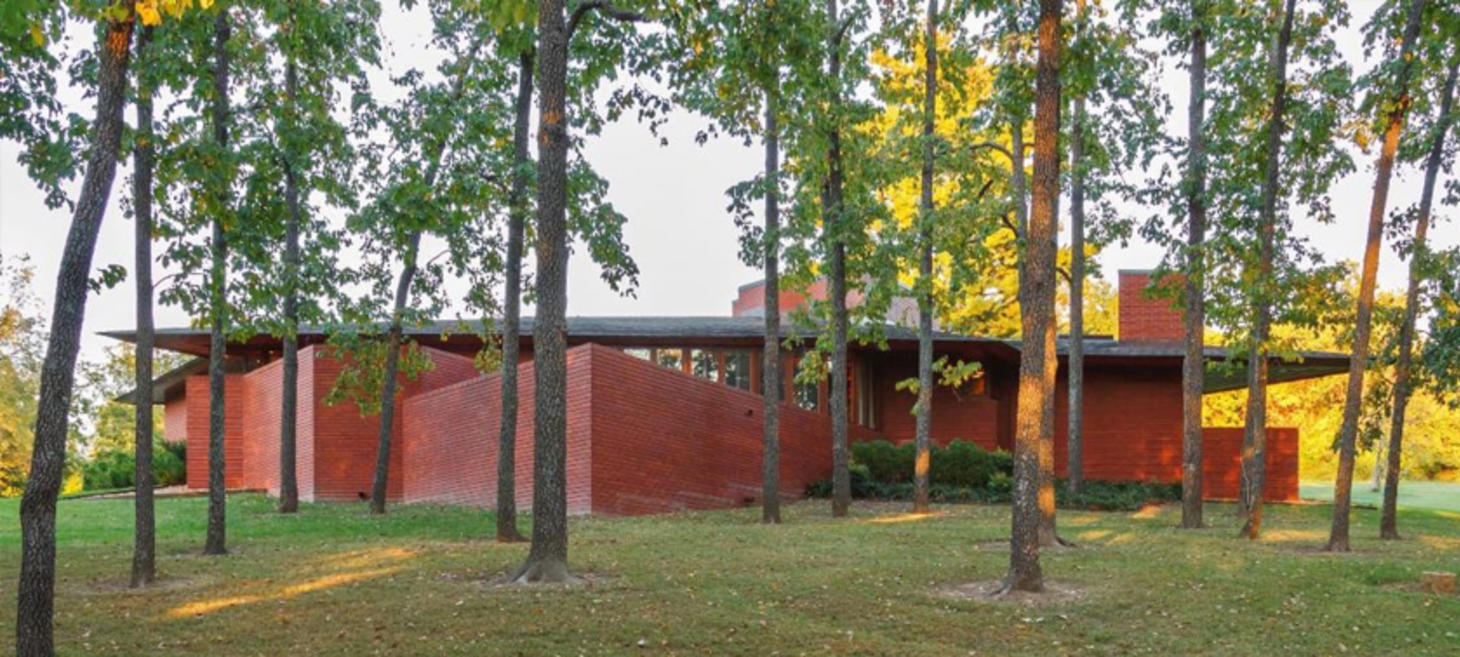
Join the Frank Lloyd Wright Building Conservancy in St. Louis from May 1 to 3 for Out and About Wright St. Louis, a three day exploration of modern architecture rooted in the legacy of Frank Lloyd Wright. The weekend features guided visits to Wright’s Dana-Thomas House in Springfield, the Kraus House, and the Frank Lloyd Wright House in Ebsworth Park, along with other significant modernist sites in the region. Designed for architecture and preservation enthusiasts alike, this event offers rare access and expert insight into Wright’s work and its broader influence on Midwestern modernism. Registration is now open, with options to attend one, two, or all three days.
Click for more details: savewright.org
Madison Arts Commission And Monona Terrace Announce Call For Art
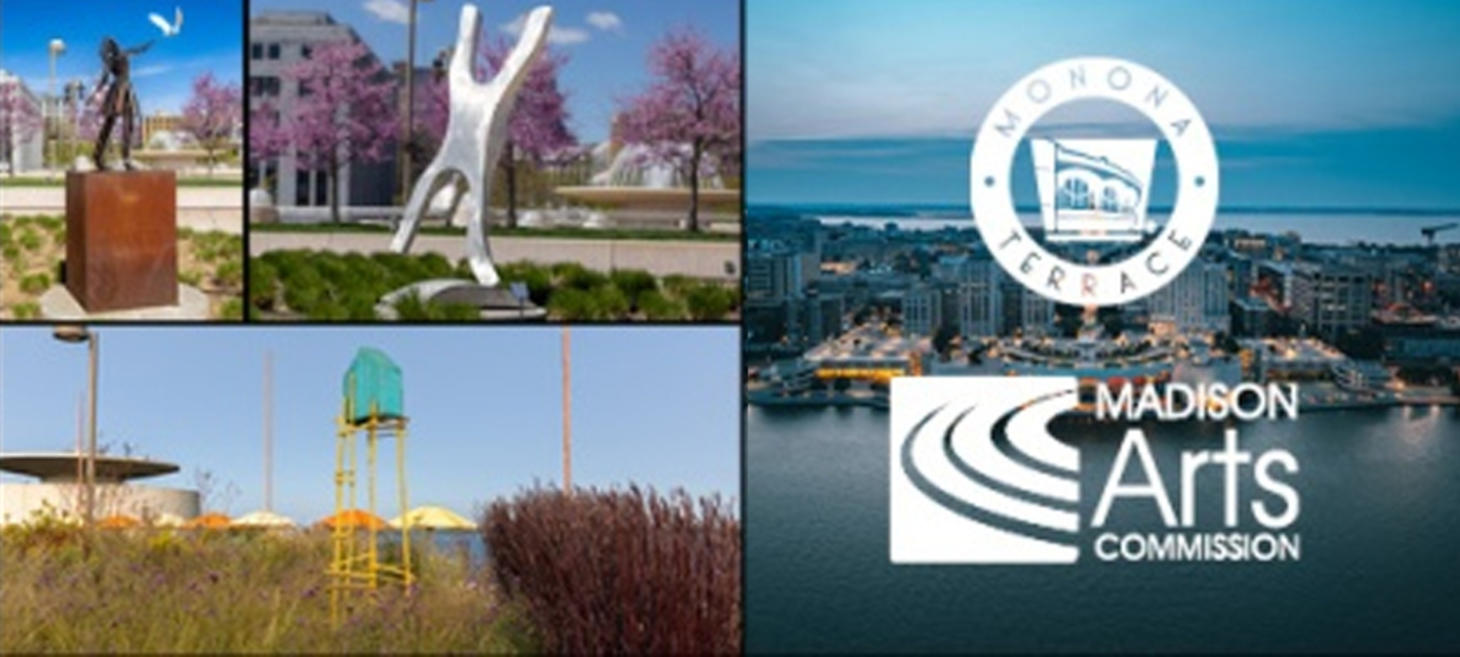
The City of Madison and its Madison Arts Commission have announced an open call for artists to submit work for the 2026 Art on the Rooftop exhibition at the Frank Lloyd Wright–designed Monona Terrace Community and Convention Center.
This free public sculpture exhibition will activate the rooftop gardens and highlight the building as a destination, seeking pieces that engage visitors and complement Wright’s signature organic architectural style. A jury will select five sculptures: four to be displayed on the William T. Evjue Rooftop Gardens from May through October 2026, with each artist receiving a $1,500 loan fee, and one to be placed year-round on Olin Terrace from May 2026 to April 2027 with a $2,600 loan fee.
Submitted work must be original, made within the past five years, suitable for all ages, durable and safe for outdoor conditions, maintenance-free, under 200 pounds, and able to be mounted on a 48-inch concrete pad. The deadline for submissions is March 5, 2026, with artist notifications scheduled for March 23, installation in early May, and removal dates in November 2026 and April 2027 for the rooftop and Olin Terrace installations respectively.
Click for more details: cityofmadison.com
Modernist Birdhouses Nod To Starchitects
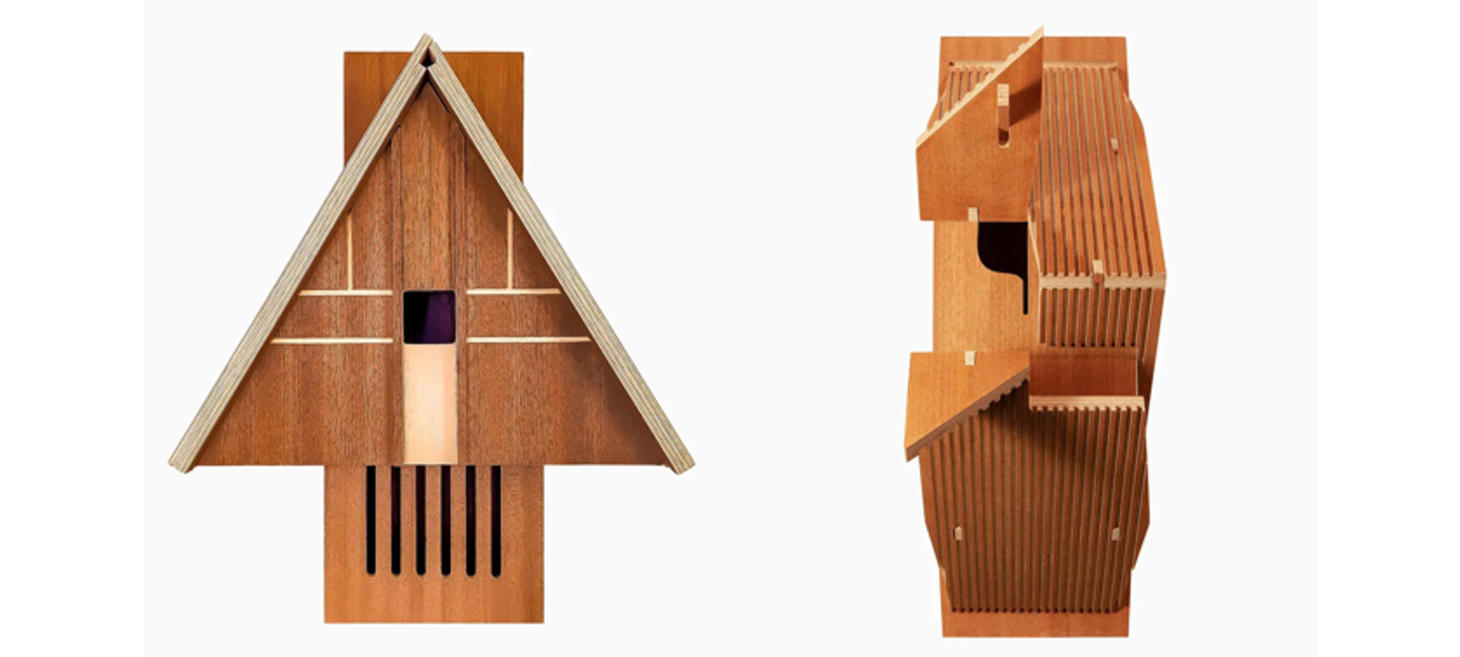
Chirp, a father-and-daughter design workshop in Weymouth, Massachusetts, has turned a simple childhood curiosity about birdhouses into a small design business rooted in architectural thought. Co-founders Nima and Mina Yadollahpour began with a project to make a birdhouse together, and during the pandemic the idea evolved into applying modern architectural principles to birdhouses, blending elegant form with function for actual birds.
Founded in 2021, Chirp’s pieces are inspired by iconic architects like Le Corbusier, Frank Lloyd Wright, Zaha Hadid and Frank Gehry, and the birdhouses reflect clean lines, honest materials and minimalist design, available as kits or pre-assembled objects made from durable mahogany and plywood.
Beyond bird enclosures, the duo also translate their architectural aesthetics into home goods for people, while Mina continues to collaborate with her father on design and craft.
Click for more details: wallpaper.com
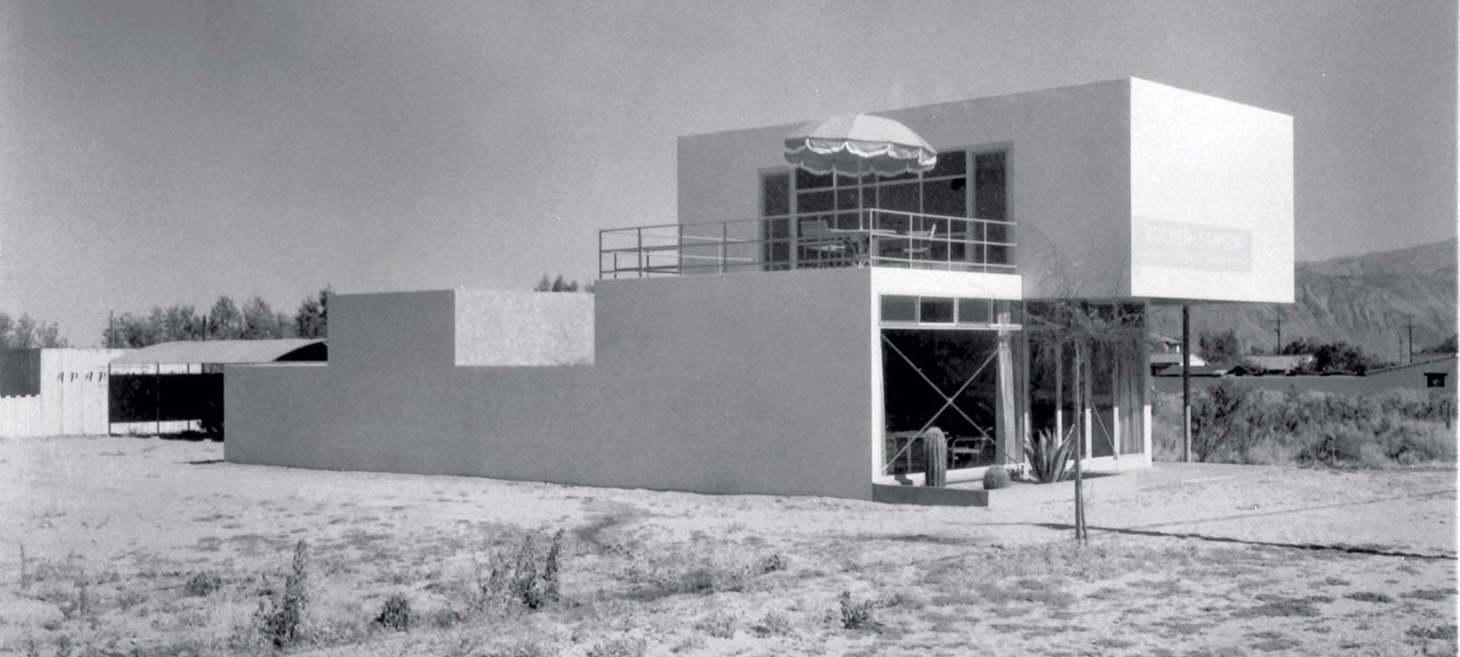
30 Architects Who Designed Palm Springs
A diverse group of architects transformed Palm Springs from an isolated desert town into an international proving ground for modernist architecture. Early figures such as A. Lawrence Kocher and Rudolph Schindler helped steer American architecture away from revival styles and toward a more socially engaged future. Kocher’s introduction of International Style principles through the 1934 Kocher-Samson Building and Schindler’s experimental desert houses that redefined the relationship between interior and exterior space. From there, the narrative expands to include a wide cast of designers whose work collectively shaped the city’s identity: Gordon B. Kaufmann’s romantic resort architecture, Frank Lloyd Wright Jr.’s early forays into Art Deco and modernism, Herbert W. Burns’ sleek hotels and apartments, and Richard Neutra’s glass-filled homes that amplified light and openness in the desert setting.
As the story unfolds, it underscores the importance of collaboration and variety, from Erle Webster and Adrian Wilson’s Streamline Moderne “Ship of the Desert” to S. Charles Lee’s clubs and condominium projects and Victor Gruen’s broader urban ambitions. At the center stands Albert Frey, whose restrained, climate-responsive architecture—from the Palm Springs Visitor Center to the deeply personal Frey House II—came to embody the essence of desert modernism. Civic and technical contributions are also emphasized, with John Porter Clark shaping public buildings, Frederick Emmons refining post-and-beam residential design, and E. Stewart Williams blending Beaux-Arts planning with modern materials in estates for Hollywood clients.
Together, these architects are innovators who tested new ideas about living, materials, and climate, leaving a legacy that continues to define Palm Springs and fuel ongoing preservation and celebration of its modernist heritage.
Click for more details: palmspringslife.com
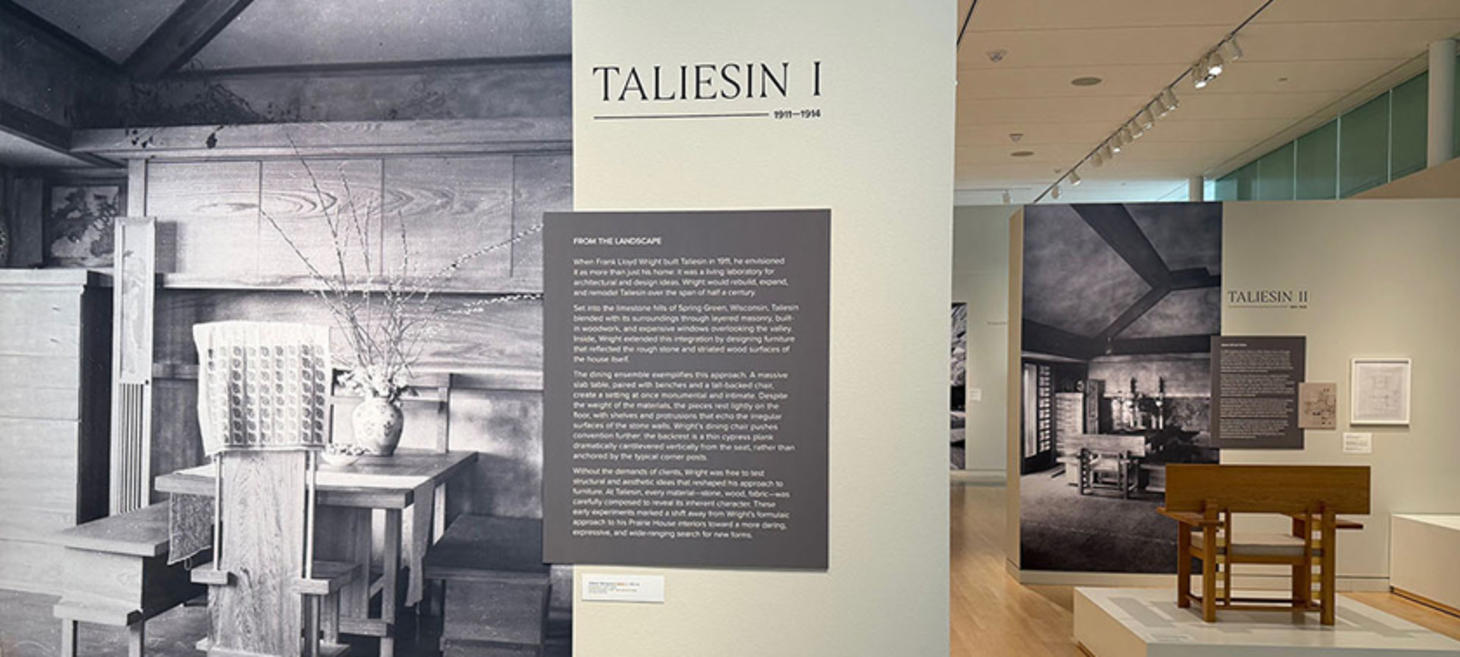
Sitting Down with Frank Lloyd Wright
In a recent Wright in Racine post, Mark Hertzberg shines a spotlight on a lesser-known aspect of Frank Lloyd Wright’s creative legacy: his furniture design.
Hertzberg reports on Frank Lloyd Wright – Modern Chair Design, a recent exhibition at the Museum of Wisconsin Art, which explored Wright’s belief that furniture was inseparable from architecture. Though Wright designed hundreds of chairs over his career, these works are rarely examined with the same attention as his buildings.
The exhibition featured 42 seating designs, including historic originals and carefully crafted modern reproductions based on Wright’s drawings. Together, they reveal how Wright used proportion, structure, and geometry to create furniture that reinforced the spatial and philosophical ideas of his architecture.
As Hertzberg notes in Wright in Racine, these chairs remind us that Wright’s vision extended well beyond walls and roofs—down to where and how we sit, live, and experience space.
Photo ©Mark Hertzberg 2026
Click for more details: wrightinracine.net
About
This weekly Wright Society update is brought to you by Eric O'Malley with Bryan and Lisa Kelly. If you enjoy these free, curated updates—please forward our sign-up page and/or share on Social Media.
If you’d like to submit content to be featured here, please reach out by emailing us at mail[at]wrightsociety.com.
Eric, Bryan & Lisa | Wright Society Publishers