
The Headlines
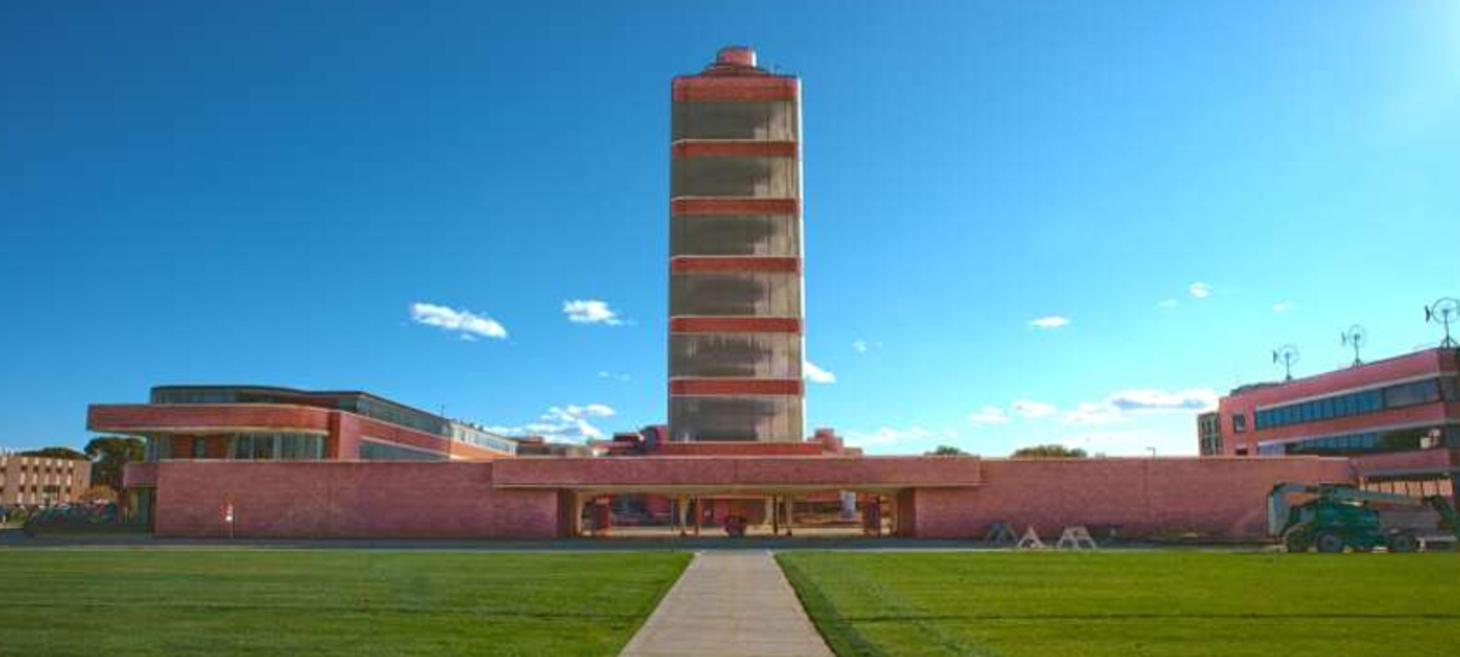
Historical Society Bus Tour To Feature Wright-Designed Buildings, Bradbury Exhibit
Fans of both great architecture and great literature will find reasons to board a bus in Mount Prospect, Illinois on Saturday, May 2. They will embark on a daylong tour to see the famous SC Johnson Wax corporate headquarters in Racine, designed by Frank Lloyd Wright, and the Ray Bradbury room at the recently restored and reopened Carnegie Library in Waukegan.
SC Johnson tours have long been a must-see for design lovers, offering a rare look at Wright’s corporate masterpieces and award-winning architecture which feature his signature style of bold, geometric designs and organic integration into the environment.
The Johnson Wax Administration Building, opened in 1939, is celebrated as one of the 25 most important buildings of the 20th century. Its 43 miles of Pyrex tubing windows, soaring Great Workroom, and cantilevered design make it a landmark of corporate architecture.
Tour participants will also see the Research Tower which was also designed by Wright, but completed in 1950. It is one of the tallest cantilevered structures ever built and was where brands like Glad, OFF! and Pledge were developed.
The morning will conclude with lunch at the Waterfront Warehouse restaurant in nearby Kenosha. Each participant will be responsible for choosing and paying for their own lunch.
After lunch the group will proceed to Waukegan where they will visit the Waukegan History Museum at the Carnegie and the room dedicated to that city’s favorite son, author Ray Bradbury, known for writing “Fahrenheit 451,” “Dandelion Wine” and many short stories. Bradbury grew up in Waukegan and spent many hours in this library as a child. The group will receive a tour and an informative lecture about Bradbury and his formative years in Waukegan.
Tour-goers will leave Mount Prospect at 8:45 a.m. and return around 4:30 p.m. The cost for the day is $125 per person ($110 for MPHS members). The trip requires considerable walking and the ability to climb bus stairs, flights of stairs and stand for up to 60 minutes.
To reserve your space (which is limited), register and pay online at mtphist.org. Phone (847) 392-9006 with questions.
Click for more details: dailyherald.com

Midland Mall Hosts Book Sale With Rare Architecture Collection
The American Association of University Women’s (AAUW) Midland Branch will host its spring book sale Friday to Sunday, April 24-26, in Midland, Michigan.
The sale will include a special estate collection focused on mid-century modern architects Frank Lloyd Wright and Alden B. Dow.
The sale runs from 9 a.m. to 8 p.m. on April 24-25, with a final bag day on April 26, from 10 a.m. to 3:30 p.m.
The event is scheduled at the Midland Mall, located at 6800 Eastman Ave.
The spring sale represents the first of AAUW’s two annual book sales in 2026 and will offer thousands of books sorted into more than 40 categories. The architecture collection provides an opportunity for enthusiasts to build or expand personal libraries with works on notable mid-century modern designers, organizers said.
Proceeds from the book sale support AAUW’s mission to fund scholarships and educational activities in the community.
Click for more details: aauw.net
Exploring Cedar Rock State Park
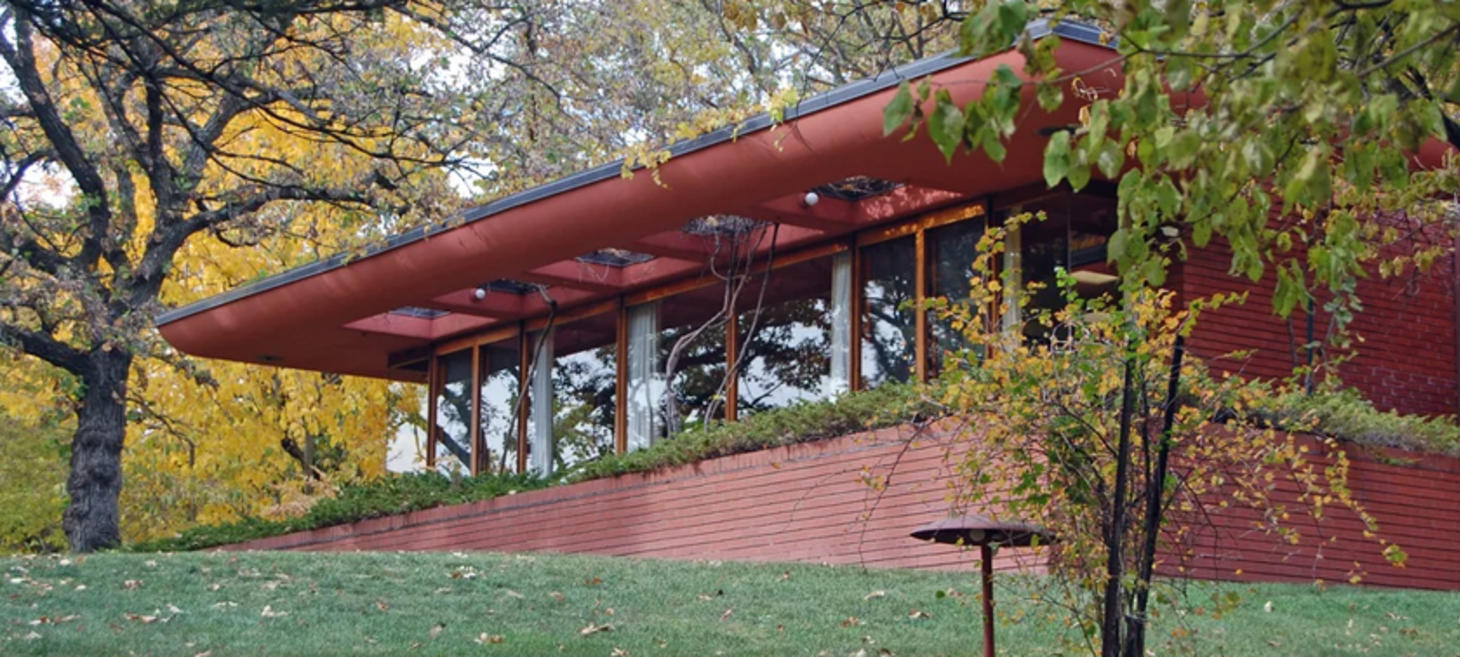
Cedar Rock State Park, near Quasqueton, Iowa, is both a quiet outdoor destination and a remarkable architectural experience, with the Frank Lloyd Wright–designed house as its defining feature. Visiting the park is more than a typical nature outing, with the setting along the Wapsipinicon River combining scenery with a sense of stepping into a preserved piece of history.
The Frank Lloyd Wright house itself is the centerpiece: a 1950 Usonian-style home designed for Lowell and Agnes Walter that reflects Wright’s philosophy of simplicity, harmony with nature, and total design control. Nearly everything inside and outside the house was designed or selected by Wright—including furniture, textiles, and layout making it a rare example of a fully unified vision — one of only 25 buildings branded with Wright’s signature red tile. The house blends into the landscape with low lines, open spaces, and strong connections to the outdoors, reinforcing the idea that it is not just a building but part of its environment.
A key emphasis is how unusually intact the home remains. It has been preserved almost exactly as the Walters left it, down to personal belongings and original furnishings, giving visitors the impression that the owners have just stepped away. This level of preservation makes Cedar Rock stand out even among Wright’s many works, as few sites retain such complete authenticity.
Cedar Rock is a place where architecture and nature intersect, with the Wright house as the main attraction—an immersive, almost time-capsule-like example of his design philosophy that elevates the entire visit beyond a standard park experience.
Click for more details: friendsofcedarrock.org
Los Angeles' Finest Modernist Houses
Los Angeles is one of the most important centers of modernist residential architecture, and the city became a laboratory for architectural experimentation from the early 20th century through the postwar period. Modernism in LA emerged from a fusion of European avant-garde ideas with the region’s climate, lifestyle, and rapid growth tied to the entertainment industry, helping define a new vision of modern living.
Early pioneers like Irving Gill and Greene & Greene laid the groundwork, which was later expanded by influential figures such as Richard Neutra and Rudolph Schindler, making the city a hub for innovation even before World War II.
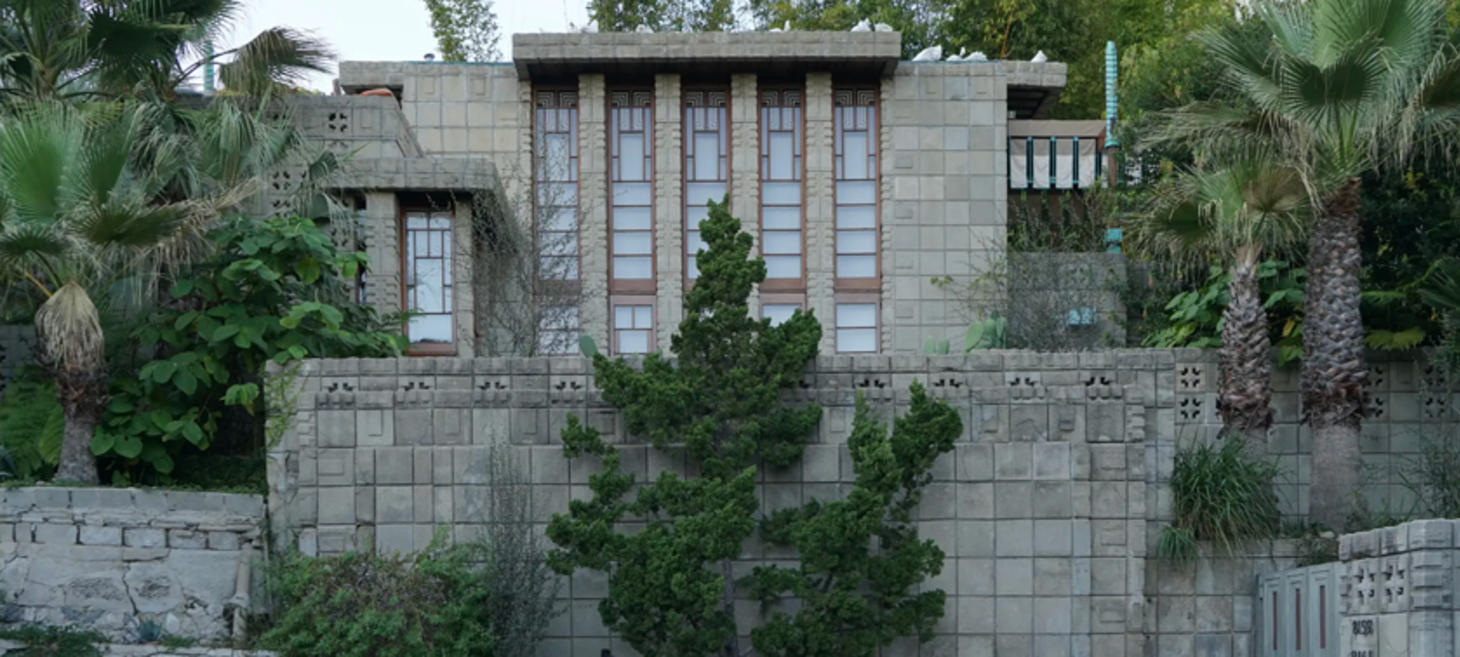
It was in Los Angeles where architect Frank Lloyd Wright experimented with the Mayan Revival style, which he applied to several house designs during the 1920s. After his success with Hollyhock House, Wright was commissioned by other clients to deliver more glamorous residential designs. In 1923 and 1924, Wright designed four houses in Los Angeles, constructed in precast concrete modules interwoven by steel rods, today known as Textile Block Houses. One of the lesser-known examples is the Storer House.
The 1950s marked a peak, when mid-century modernism—shaped by Bauhaus principles and mass-production ideals—aligned with the optimism and prosperity of the American middle class. Programs like the Case Study Houses played a key role in promoting experimental yet practical homes.
In Los Angeles there is so much diversity within modernism, that alongside minimalist, functional designs, other strands like organic architecture and more expressive, luxurious styles flourished, particularly in high-end “dream” homes by architects such as John Lautner.
Modernism gradually gave way in the late 1960s and 1970s to movements like postmodernism and deconstructivism, led by architects such as Frank Gehry and Thom Mayne, signaling a shift toward more experimental and fragmented forms while closing a major chapter in the city’s architectural evolution.
Click for more details: wallpaper.com
About
This weekly Wright Society update is brought to you by Eric O'Malley with Bryan and Lisa Kelly. If you enjoy these free, curated updates—please forward our sign-up page and/or share on Social Media.
If you’d like to submit content to be featured here, please reach out by emailing us at mail[at]wrightsociety.com.
Eric, Bryan & Lisa | Wright Society Publishers