
The Headlines
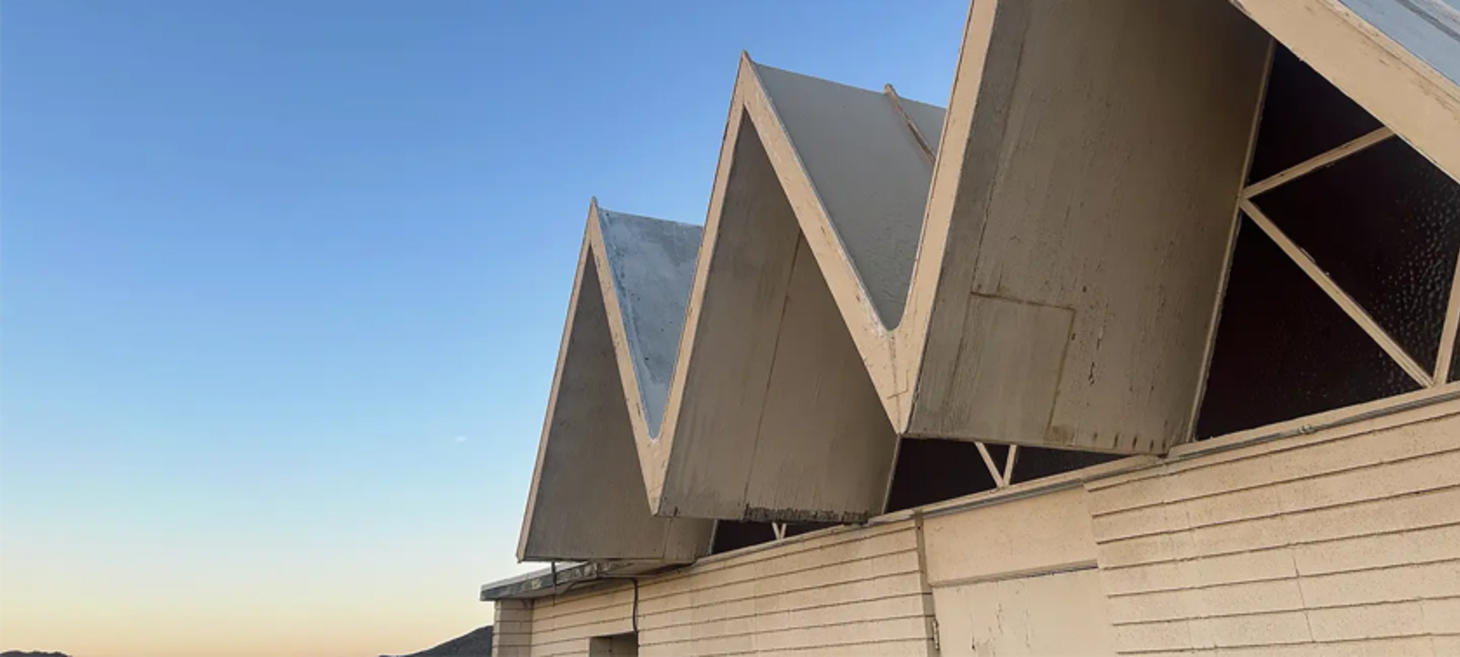
Frank Lloyd Wright's Son Designed A Beautiful, Failed California Utopia
In the 1940s, English mystic Edwin John Dingle envisioned a self-sustaining utopian spiritual community in the desert near Joshua Tree in California called the “New City of Mentalphysics,” where residents would practice meditation, breath work, and spiritual development while living in harmony with nature. To bring the vision to life, he commissioned architect Lloyd Wright, whose organic designs blended with the surrounding desert landscape.
The project was meant to be much larger than what was ultimately built. Financial problems, combined with disruptions caused by World War II, prevented the community from reaching its intended scale. As a result, the grand utopian experiment never fully materialized. Although the colony failed as a social and economic venture, its architecture endured.
The remaining complex—now known as the Joshua Tree Retreat Center—contains the largest collection of Lloyd Wright buildings and is listed on the National Register of Historic Places. Today the site functions as a retreat center and boutique lodging destination, preserving both its distinctive architecture and its legacy as a mid-century experiment in alternative spirituality. It also serves as a place of reflection and healing, including a “wind phone” installation where visitors can symbolically speak to loved ones who have died.
The New City of Mentalphysics was a beautiful but unrealized dream: a desert utopia that never achieved its founders’ ambitions, yet left behind a remarkable architectural and spiritual landmark.
Click for more details: sfgate.com
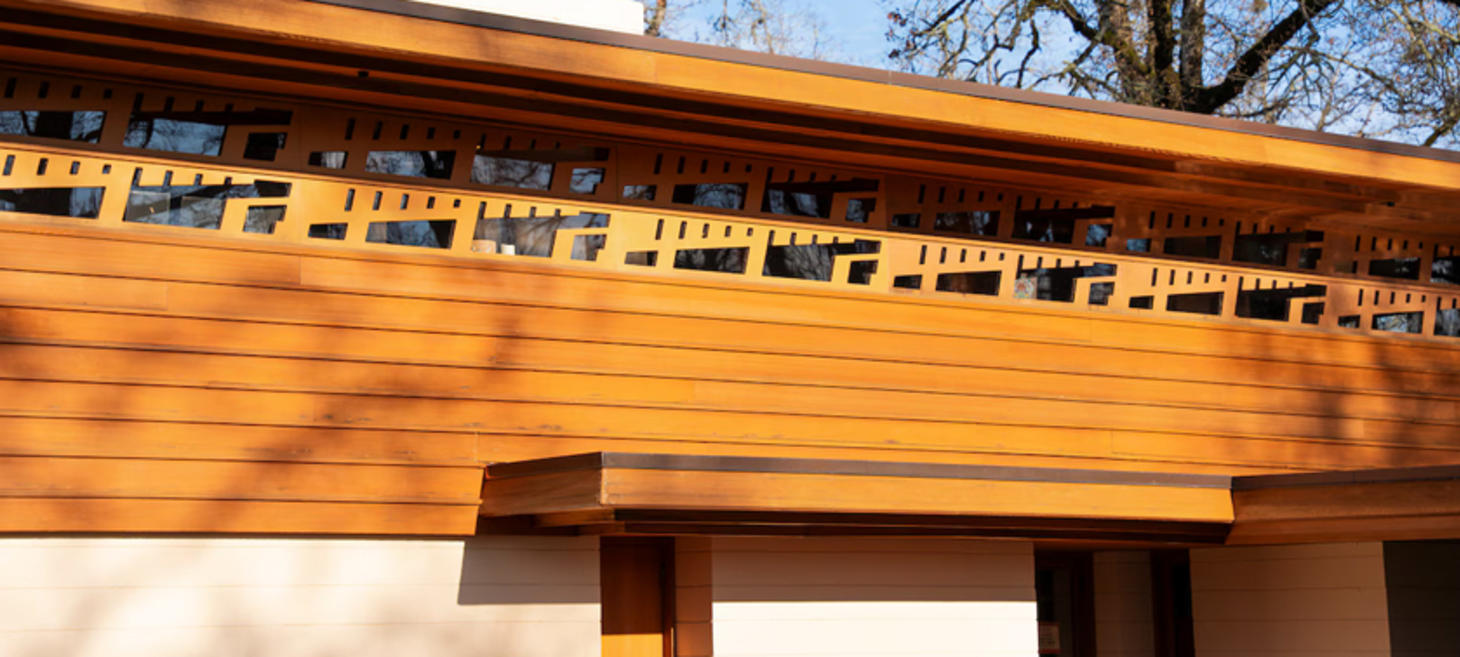
The Breathtaking Frank Lloyd Wright Masterpiece Is Hidden In An Oregon Oak Grove
In 1956, while vacationing in Arizona, Conrad and Evelyn Gordon visited Taliesin West, the winter home and studio of Frank Lloyd Wright. The Gordons met with Wright, who accepted the commission to design a house for their farm on the south bank of the Willamette River, in what is now the Charbonneau residential area of Wilsonville, Oregon.
Wright was in his late 80s at the time but still very active in the design of houses and other buildings. He presented his designs to the Gordons in the fall of 1957, but construction didn’t begin until the spring of 1963, four years after Wright’s death. Burton Goodrich, a Taliesin associate who had opened an architectural business in Lake Oswego, oversaw the construction and corresponded regularly with Taliesin Architects, Wright’s successor firm. As Frank Lloyd Wright’s apprentice, Goodrich had worked on several Usonian projects.
The 2,133 square foot house created quite a stir when it was completed in 1964 at a cost of $56,000. The Gordons graciously opened their new home for public tours that drew 1,500 visitors over a five-day period.
Conrad and Evelyn lived in the house for the rest of their lives. Conrad died in 1979, and Evelyn continued to live in her house until shortly before her death in 1997. The Gordon House includes many characteristics of the idealized Usonian-style house.
The architect will be celebrated Saturday, June 6, in advance of the 159th anniversary of his birth at the Gordon House in Silverton, Wright’s only design built in Oregon.
The Gordon House’s annual Open Museum is from 11 a.m. to 5 p.m. at 869 W. Main St. ($5 for adults, under 18 are free).
Click for more details: oregonlive.com
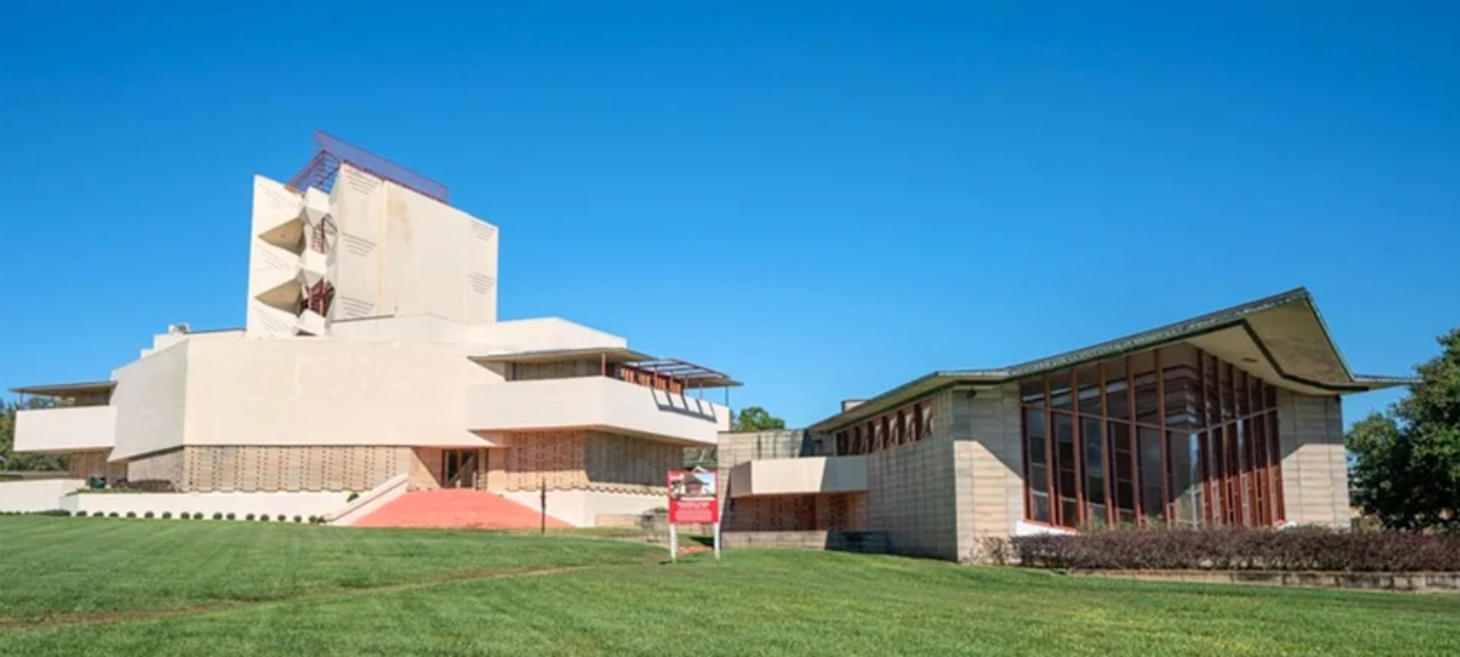
Things To Know Before Touring The World’s Largest Frank Lloyd Wright Collection
Florida Southern College in Lakeland, Florida, is home to the world’s largest collection of buildings designed by Frank Lloyd Wright. Known as the “Child of the Sun” project, the campus was created after college president Dr. Ludd Spivey asked Wright in 1938 to design a bold new campus. Wright planned 18 structures, and 13 were ultimately built. Unlike a museum, these historic buildings remain part of daily campus life, serving roughly 3,000 students who use them for classes and activities.
Visitors can explore the campus on their own, but guided tours provide deeper insight into the history and design of Wright’s work. Highlights include the Annie Pfeiffer Chapel, which was largely built by students during World War II and features a striking bell tower, stained glass, and custom concrete blocks made from local materials. Another standout is the Miller Planetarium, the only planetarium Wright ever designed, which was recently renovated to preserve it for future generations.
Wright also created a 1.5-mile covered walkway that connects campus buildings while protecting pedestrians from Florida’s heat and sudden rainstorms. The Sharp Family Tourism and Education Center, based on plans Wright drew in 1939 but not completed until 2013, now welcomes visitors with maps and information. The Water Dome, originally built in 1948 and later restored to Wright’s vision, remains one of the campus’s most popular features, sending jets of water high into the air.
The campus is best appreciated at a leisurely pace, allowing visitors to notice Wright’s distinctive architectural details, including patterned concrete blocks, stained glass, low rooflines, and unique decorative features. Together, these elements make Florida Southern College a rare place where architectural history and everyday student life exist side by side.
Click for more details: aol.com
About
This weekly Wright Society update is brought to you by Eric O'Malley with Bryan and Lisa Kelly. If you enjoy these free, curated updates—please forward our sign-up page and/or share on Social Media.
If you’d like to submit content to be featured here, please reach out by emailing us at mail[at]wrightsociety.com.
Eric, Bryan & Lisa | Wright Society Publishers