
Announcements
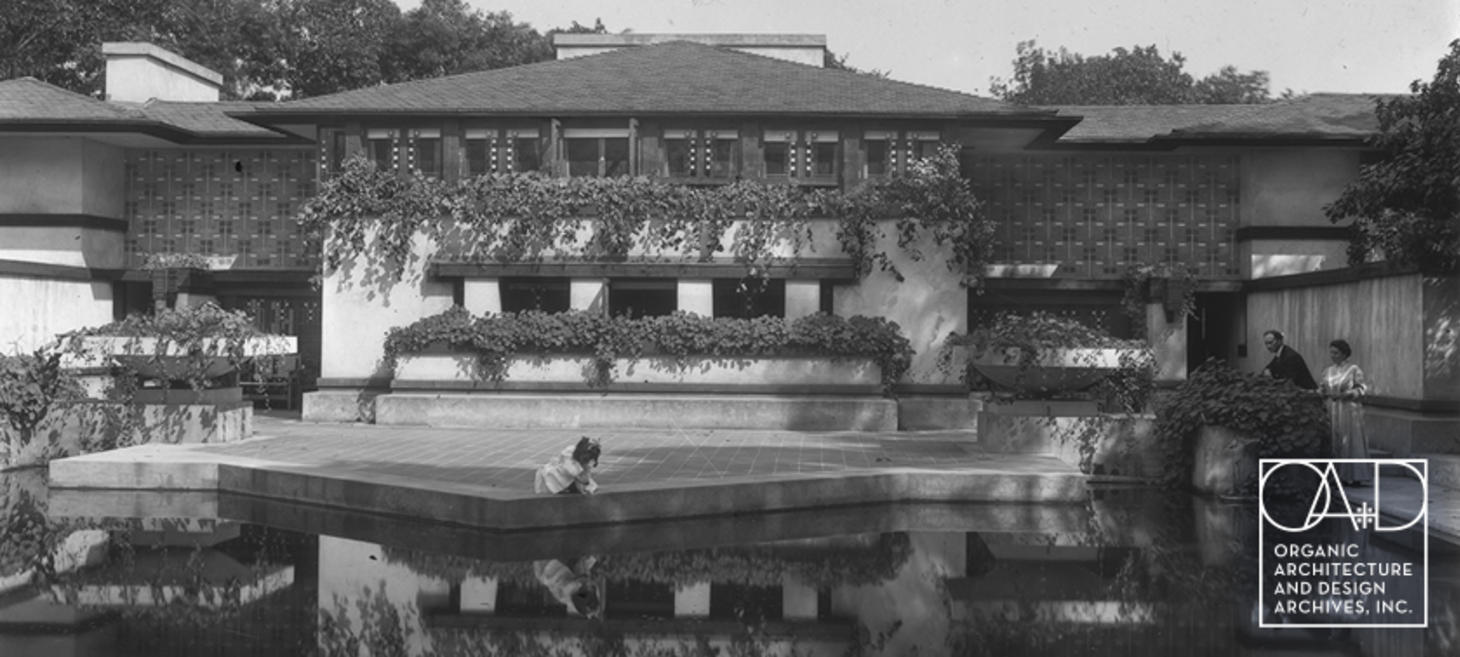
Keep Organic Architecture Alive — Your Support Truly Matters
As the year comes to a close, this is a meaningful moment to reflect on the ideas, places, and creative legacies that inspire us. For those who value the work of Frank Lloyd Wright and the broader world of organic architecture, the Organic Architecture + Design Archives (OA+D) stands as a vital steward of that history. This season, the organization is inviting supporters to help ensure this legacy continues to thrive.
Over the past year, OA+D has accomplished extraordinary work. New journals and books were published, thousands of archival items were preserved, and a successful symposium and exhibition brought the community together in celebration of organic design. These achievements were made possible thanks to a network of people who believe in protecting this important heritage.
But OA+D’s work continues every day, and year-end support plays a crucial role in sustaining this momentum. Contributions directly advance the preservation of rare materials, the digitization of fragile archives, the publication of new scholarship, and the development of exhibitions and educational programs that share this history with a wider audience.
Donor support helps OA+D:
• Publish groundbreaking research in the Journal of Organic Architecture + Design
• Digitize rare and important materials for public access
• Preserve the collections of pioneering organic designers
• Create new exhibitions and educational programming
Every gift—large or small—has a lasting impact on the future of organic architecture. By supporting OA+D, donors help ensure that this rich legacy remains alive, accessible, and inspiring for generations to come.
Those who wish to contribute can make a tax-deductible donation today and play an essential role in safeguarding the story of organic architecture.
Click for more details: oadarchives.org
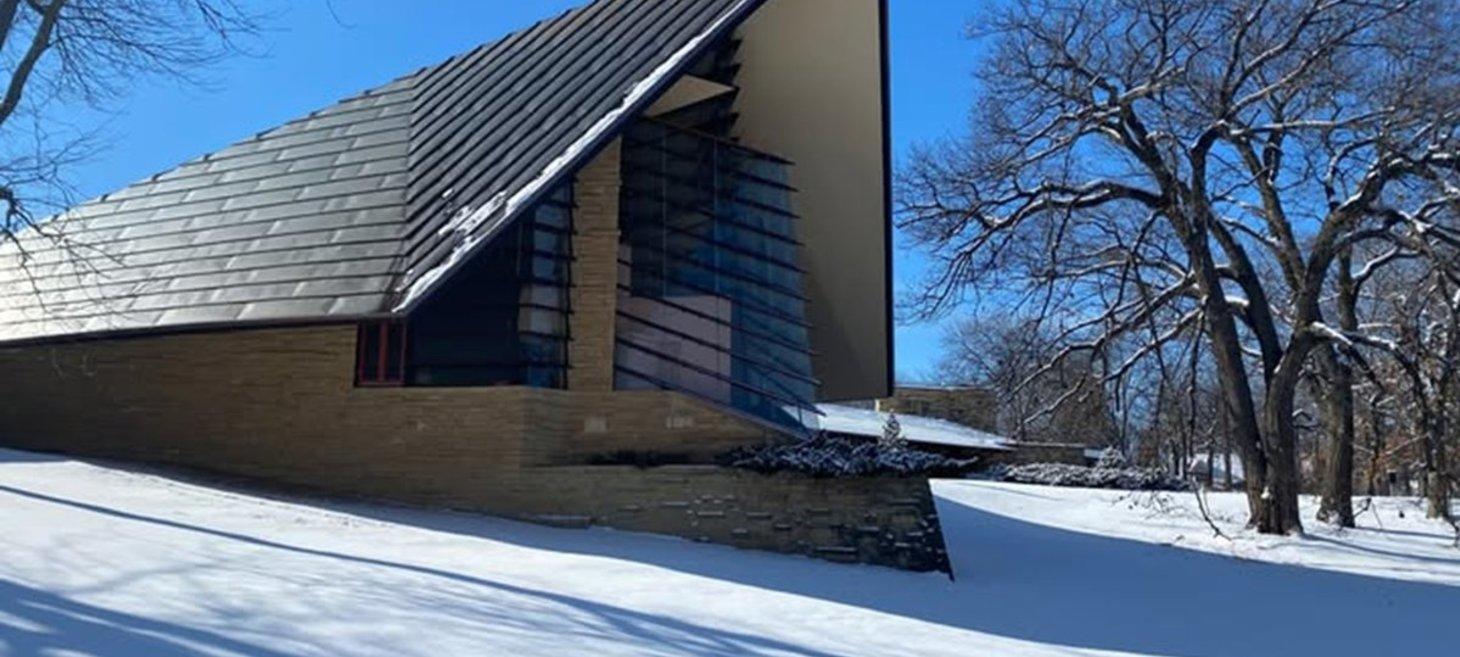
The Wright Stuff: What To Learn From Frank Lloyd Wright
The Friends of the Meeting House kicks off its celebration of the 75th anniversary of the Frank Lloyd Wright-designed First Unitarian Church, 900 University Bay Drive, Madison, Wisconsin. Jan 13, 2026 6:30 PM festivities feature a new exhibit of the building's history, a presentation by Aaron Betsky, author of 50 Lessons to Learn from Frank Lloyd Wright, a reception and book signing. $20 general admission; $10 Friends members and students.
The Friends will host a series of public events in 2026 to commemorate this milestone, including a concert by Madison Bach Musicians (May 9 and 10) and a Gala Weekend (June 5 through 7). Events will highlight the building’s architectural significance, the role the whole FLLW community has played in preserving the building and Wright’s enduring impact on Madison.
Click for more details: isthmus.com
The Headlines
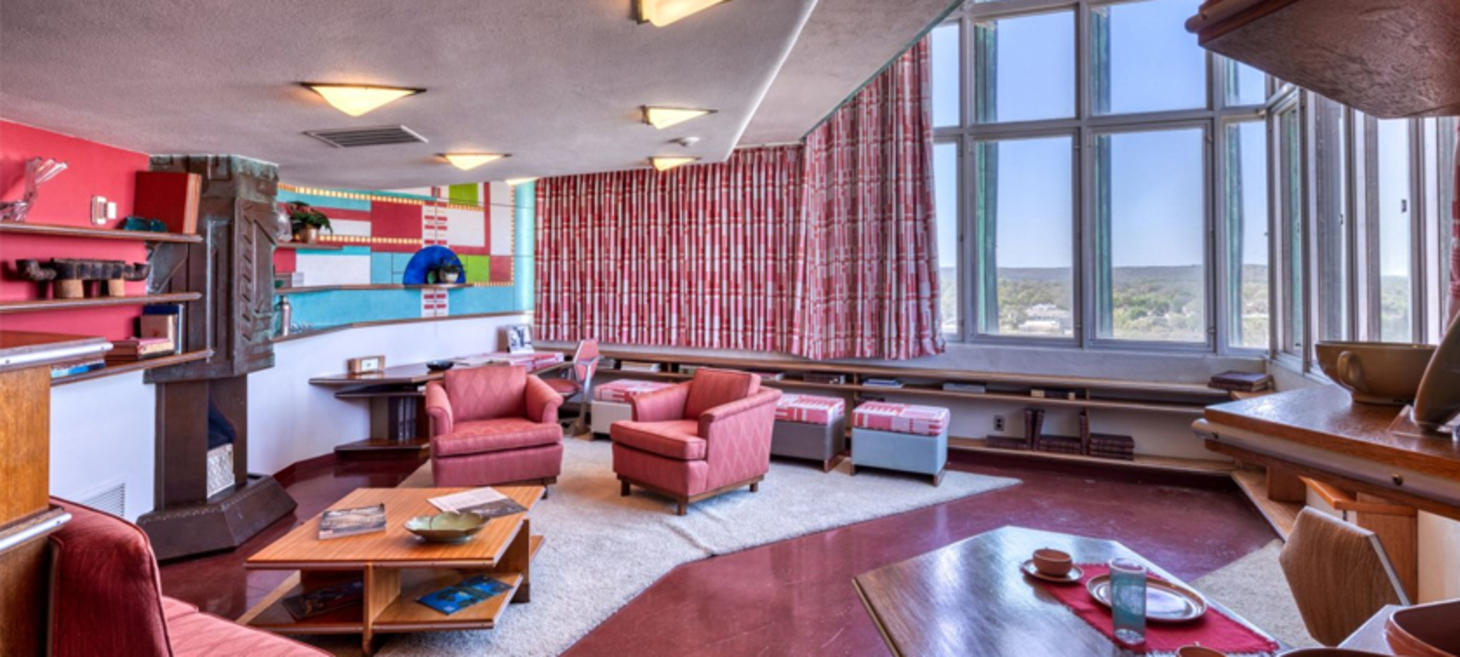
Family Renovating Bartlesville's Price Tower Shares Plans
The new owners of Bartlesville, Oklahoma’s Price Tower, the same family that restored Tulsa’s Mayo Hotel, have shared plans to restore and redevelop the landmark after owning it for about seven months (thanks in part to help from preservationist groups like the Frank Lloyd Wright Building Conservancy). Their $10 million project will convert the tower into a mixed-use property with roughly 20 hotel rooms and 20 full-service residential apartments, while preserving its historic design.
Work has already begun, including getting one elevator operational, repairing roofs to stop leaks, fixing pipes, and planning for HVAC replacement. The elevators will eventually be modernized. Harold C. Price’s original apartment and office on the top two floors will be repaired and preserved as a museum, while the lower floors will contain a mix of renovated hotel rooms and apartments designed within the existing layout, as historic tax credits prevent moving walls. All renovations will stay true to Frank Lloyd Wright’s style.
The apartments will be fully furnished and supported by amenities such as laundry and food service, pickleball courts, yoga and art rooms, libraries, and game rooms for both residents and hotel guests. The former Copper Bar, added in 2002, will be converted into part of a two-story apartment, as operating a bar or restaurant on the upper floors is impractical due to elevator limitations.
A new first-floor dining venue, The Goff Restaurant and Bar, named after architect Bruce Goff, will open in the location of the building’s original restaurant. It will include a bar and dining area, with artifacts displayed on the floor above.
The family expects construction to take about 18 more months, with a goal of welcoming residents and hotel guests by summer 2027. They are also working with the City of Bartlesville to explore possible development incentives.
Click for more details: newson6.com
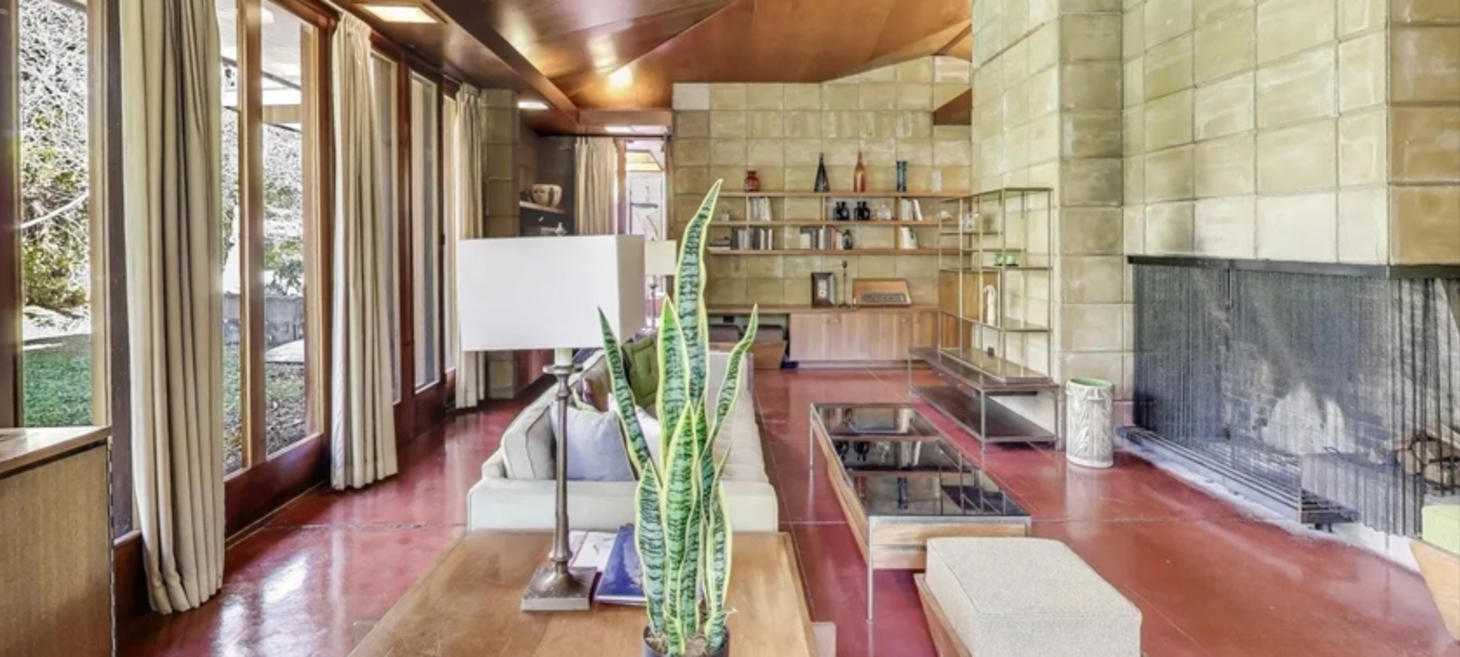
Wright's Weisblat House Undergoes Dramatic Price Cut
A 1951 Frank Lloyd Wright–designed Usonian home in Galesburg, Michigan—known as the Weisblat House—has returned to the market after nearly a year without a sale and several price cuts. Originally listed for $2.25 million in January, the price dropped repeatedly, reaching $1.5 million by August before the home was temporarily pulled from the market.
Now relisted at $1.44 million, the sellers have launched a new marketing strategy emphasizing what it feels like to live in the architecturally significant property. A dedicated website, immersive video, and storytelling-driven materials highlight its craftsmanship, Wright’s signature elements (including extensive Honduran mahogany), and unique amenities such as a greenhouse and enclosed lap pool.
The three-bedroom, 2.5-bath Usonian sits on an acre within The Acres, a Wright-planned community originally intended for Upjohn Company scientists. Only a handful of Wright homes were built there, making the Weisblat House exceptionally rare—this sale would be just the second in its 74-year history. Carefully preserved features include cantilevered rooflines, ribbon windows, built-ins, and a floor-to-ceiling fireplace.
With its privacy, pristine condition, and strong architectural pedigree, the home is being marketed to architecture enthusiasts and buyers seeking a distinctive weekend retreat from cities like Detroit or Chicago.
Click for more details: realtor.com
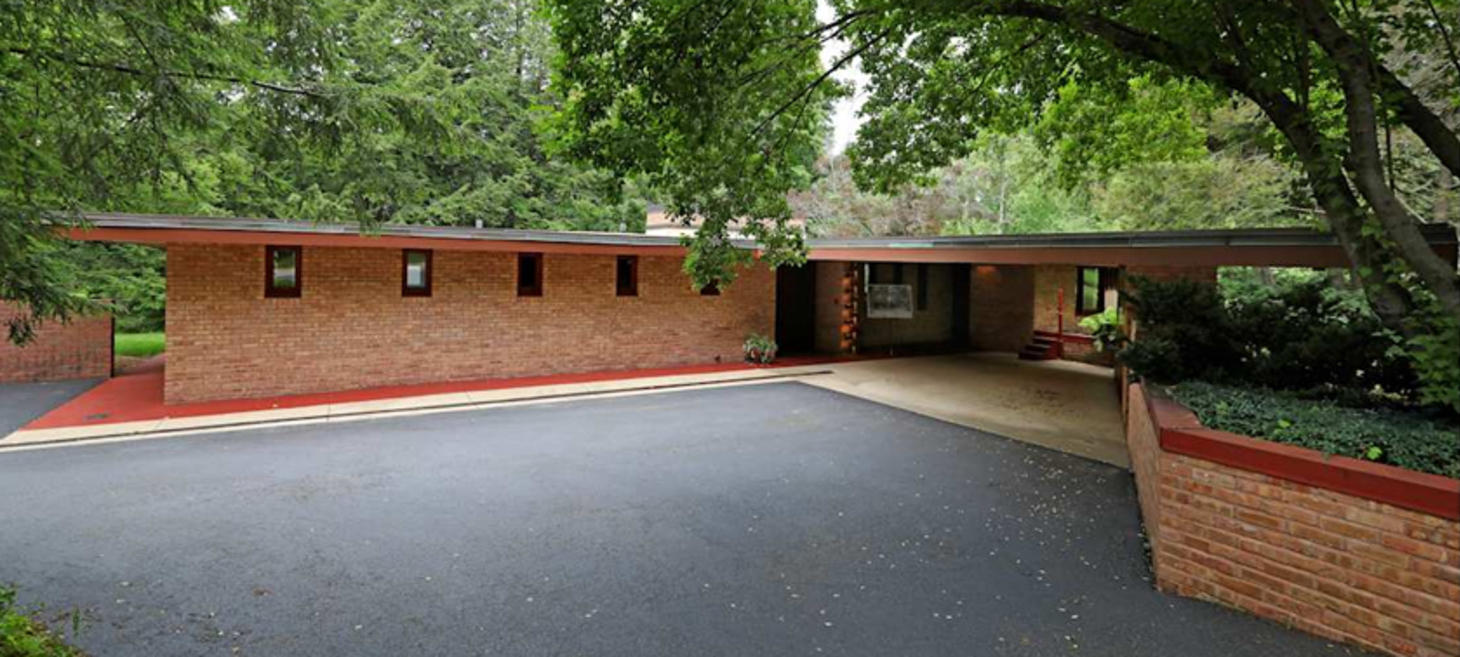
My District Is Home To Frank Lloyd Wright’s Laurent House
The Laurent House in Rockford, Illinois, designed by Frank Lloyd Wright, stands out as a unique example of accessibility and architectural innovation. Built in 1952 for Kenneth Laurent, who used a wheelchair, and his wife Phyllis, it was designed to be both a functional and aesthetic space for those with physical disabilities—well before accessibility standards were established by the Americans with Disabilities Act. The 2,000-square-foot home features wide doorways, a 54-inch turning radius in rooms, and low-mounted doorknobs and light switches, making it wheelchair-friendly. Its design also includes a striking 55-foot-long window wall and French doors opening to a terrace.
The Laurent House was the only Wright home created for a client with disabilities and is considered one of the best-preserved of his private residences. After the Laurents passed away in 2012, the home was opened to the public as a museum by the Laurent House Foundation in 2014.
Local politicians, including Sen. Steve Stadelman and Rep. Dave Vella, have praised the house for its historical and cultural significance. Stadelman highlighted its value as a tourism draw for the community, while Vella emphasized its connection to the local people, especially those like Kenneth Laurent who returned from WWII in a wheelchair. Both also expressed admiration for Wright’s attention to detail and the house's blend of artistry and practicality.
Visitors to the Laurent House can enjoy its thoughtful design features, such as the solar hemicycle, which maximizes natural light. In addition to the house, Rockford offers other attractions like the Anderson Japanese Gardens, Coronado Theater, and various recreational facilities. For Wright enthusiasts, the Pettit Memorial Chapel, also designed by Wright, is another must-see in the area.
Click for more details: ncsl.org
About
This weekly Wright Society update is brought to you by Eric O'Malley with Bryan and Lisa Kelly. If you enjoy these free, curated updates—please forward our sign-up page and/or share on Social Media.
If you’d like to submit content to be featured here, please reach out by emailing us at mail[at]wrightsociety.com.
Eric, Bryan & Lisa | Wright Society Publishers