
The Headlines
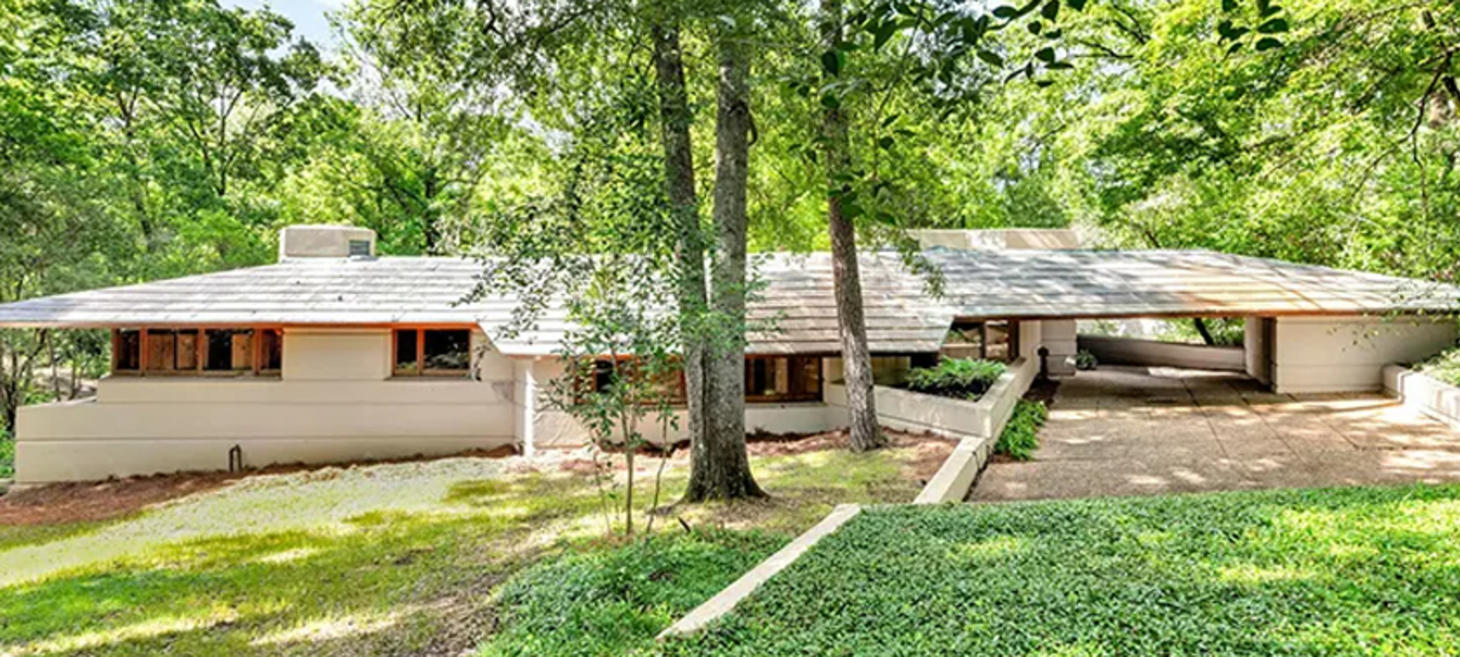
Frank Lloyd Wright's Fountainhead Opens To The Public
Set into the wooded hillside of Jackson, Mississippi's Fondren neighborhood, Fountainhead is one of the most quietly assured houses designed by Frank Lloyd Wright in the final phase of his career. Designed in 1948 and completed in 1954 for J. Willis Hughes, the house belongs to Wright’s Usonian period, yet it operates far beyond the idea of a modest prototype. Fountainhead is precise, spatially complex, and deeply anchored to its site, a house shaped entirely by terrain, geometry, and material discipline.
In late 2025, the Mississippi Museum of Art confirmed its purchase of the property, securing the future of a house that has remained largely intact for decades. The acquisition places Fountainhead within an institutional context, but the architectural power of the building does not rely on its new ownership. Its significance is embedded in the way it handles space, light, and landscape with an almost analytical calm.
The house follows the slope of the site through a parallelogram-based plan that rejects symmetry and right angles in favor of diagonal movement. This geometry dictates the placement of walls and ceilings, shaping interiors that feel controlled without rigidity. Circulation unfolds gradually, moving from compressed passages into open communal areas that receive filtered daylight from large expanses of glazing.
Material choices reinforce this continuity. Walls and ceilings are built entirely of Heart Tidewater Red Cypress, used without paint, drywall, or applied finishes. Structure and surface merge into a single architectural language, allowing light to play across the wood grain throughout the day. Built-in furniture, designed by Wright, further integrates daily life into the architecture, eliminating visual excess and reinforcing spatial order.
Fountainhead’s relationship with landscape reaches its most expressive moment at the rear of the site. Wright extended the bedroom wing into the hillside, ending it with a fountain that feeds into a swimming pool and then into a natural stream. Water becomes a spatial connector, linking house and terrain through gravity and flow.
Now entering a new public chapter, Fountainhead will open for guided visits under the Museum’s care. The purchase ensures preservation and access, but the house itself remains the focus: a late-career Wright work defined by restraint, clarity, and a sustained dialogue with its surroundings. The property will be maintained and programmed under the Museum’s direction, ensuring its preservation and relevance for generations to come. Buses will shuttle visitors to the house from the Museum’s main campus in downtown Jackson. MMA will announce the opening date to the public at a future date.
Click for more details: designscene.net
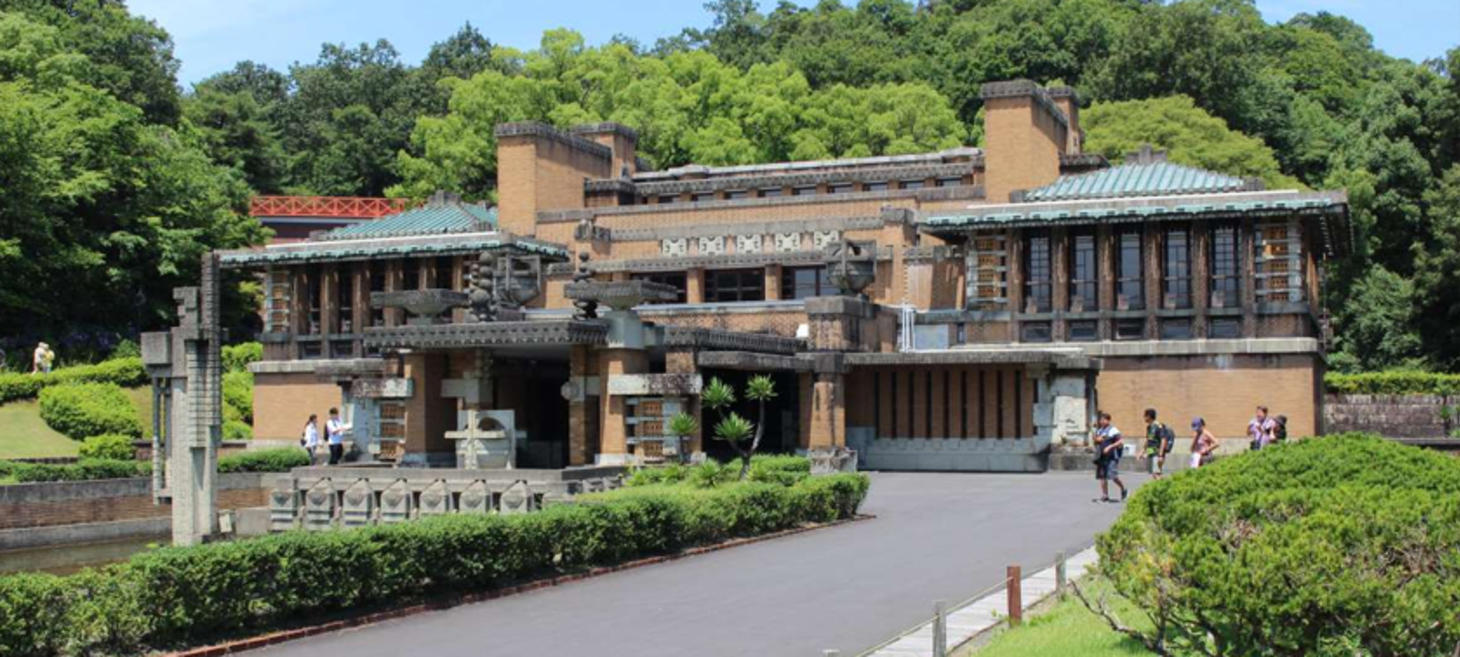
Works By Foreign Architects Worthy Of The Journey To Japan
Architectural works in Japan by world-renowned foreign architects can become a compelling form of tourism for both international visitors and Japanese people, especially since many of these buildings are little known and often overlooked. Highlights include major examples focusing first on Frank Lloyd Wright, whose surviving Japanese works include the relocated Imperial Hotel Wright Wing at Meiji-mura, Jiyu Gakuen Myonichikan, the Yodoko Guest House, and the former Hayashi Aisaku Residence. These buildings demonstrate Wright’s distinctive philosophy, harmony with nature, and lasting influence, with several now open to the public.
Other influential architects whose works remain in Japan would be Le Corbusier’s National Museum of Western Art in Tokyo, a World Heritage Site, exemplifing modernist principles and innovative structural ideas. Josiah Conder’s legacy survives through buildings such as the Holy Resurrection Cathedral and the old Tokyo National Museum, even though his famous Rokumeikan no longer exists. In Nikko, Japan’s only remaining building by postmodern architect Robert Venturi stands as a rare example of his design philosophy, while Antonin Raymond’s former Italian Embassy Villa showcases sensitive wooden architecture that blends with nature.
Visiting these Western-designed buildings offers a fresh perspective on Japan, revealing how foreign architects integrated their ideas into the Japanese landscape and reflecting the cultural values of their time. While stressing the importance of preserving these historically significant structures amid rapid development and overtourism, support from both Japanese people and foreign visitors is essential to ensure their survival for future generations.
Click for more details: japan-forward.com
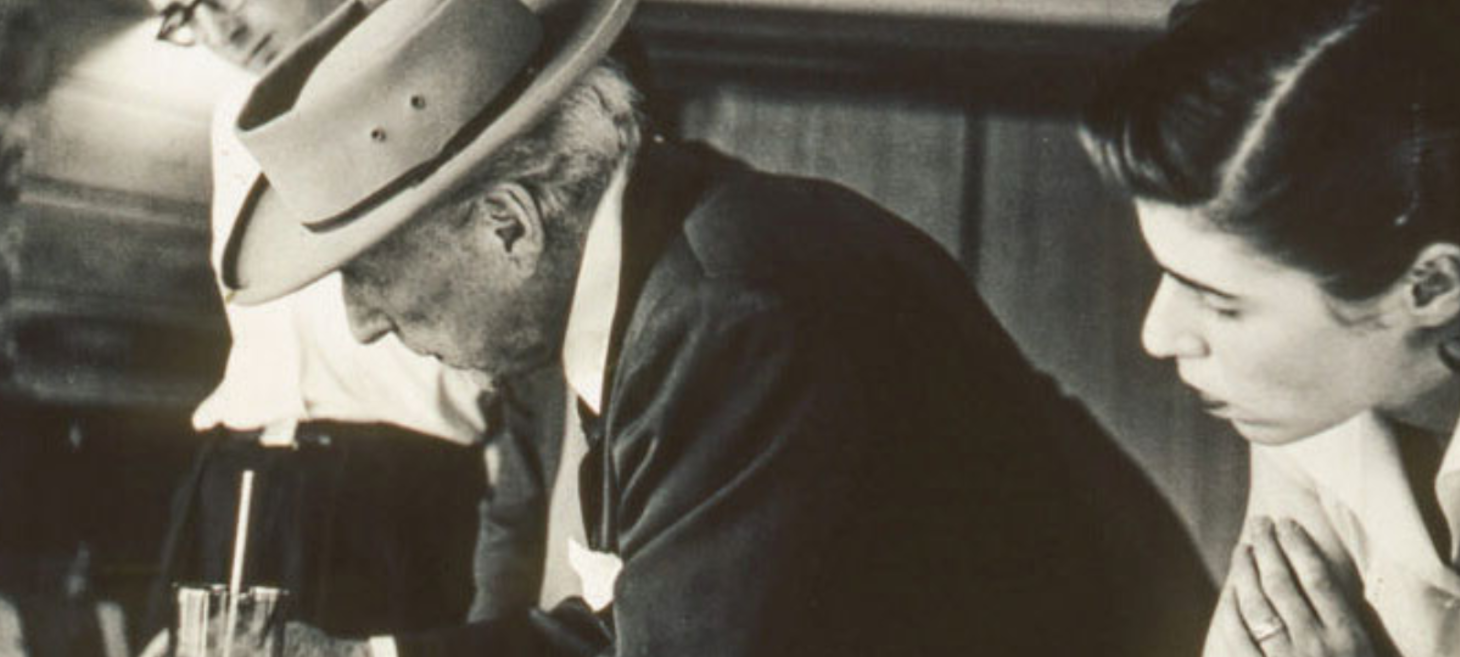
This Pleasantville Centenarian Is Frank Lloyd Wright's Last Living Client
After World War II, Roland Reisley and his wife Ronny joined other New Yorkers looking to start a family and were drawn to Usonia, an affordable cooperative community in Pleasantville, New York planned around homes inspired by Frank Lloyd Wright. In 1950, they bought land there, and Wright himself chose to design their house, taking an interest in the hilly site and forming a close professional and personal relationship with the young couple. Completed in 1952, the home reflected Wright’s Usonian ideals, with a hexagonal design, open plan, natural materials like cypress and concrete, and a strong connection to the surrounding landscape.
Now 101, Reisley is the last living client of Frank Lloyd Wright and has lived in the house for 73 years, first with his wife and now with his partner, Barbara. He credits the beauty of the home with contributing to his long life. Reisley views Wright’s greatest contributions as creating homes that nurture family life, break away from rigid boxed layouts, and exist in harmony with nature. A founding member of the Frank Lloyd Wright Building Conservancy, he hopes the house will be preserved as a lived-in residence. He says that daily exposure to beauty—light, stone, and wood—has deeply enriched his life and may even support long-term health.
Click for more details: westchestermagazine.com
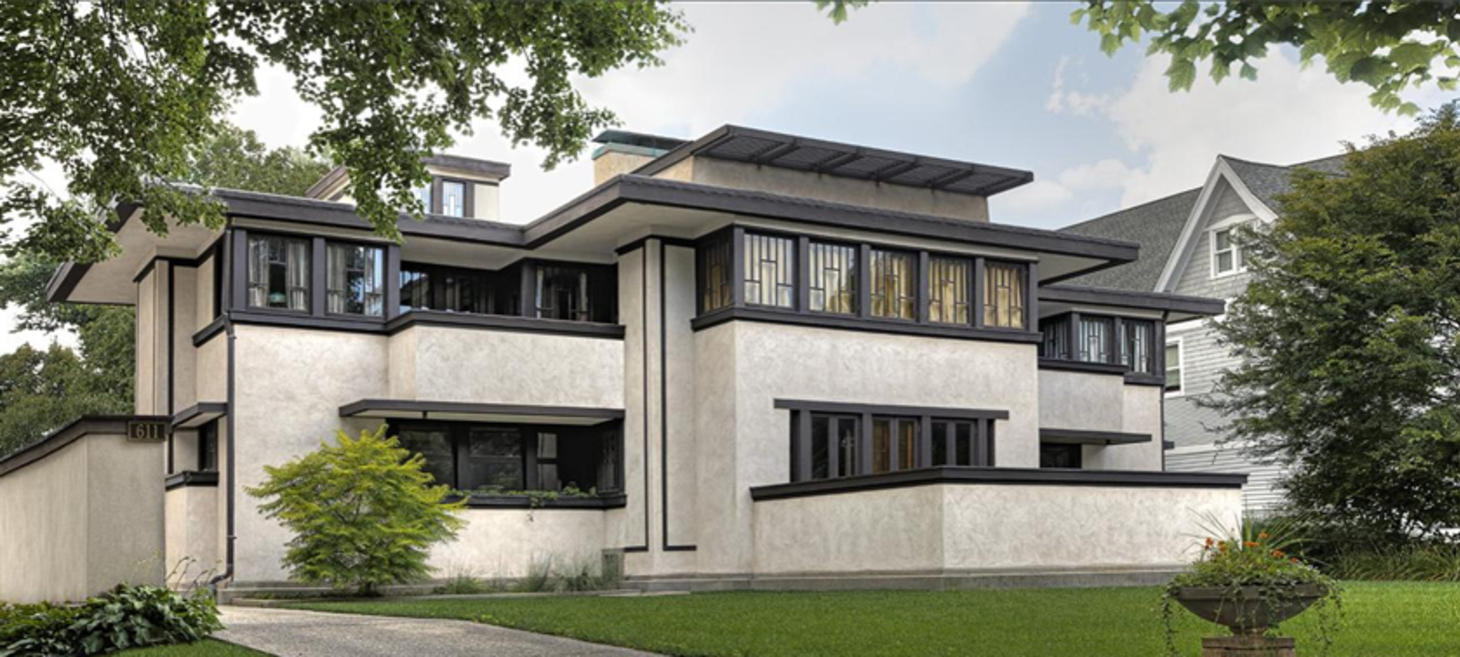
Wright Plus 2026 House Tour Line-Up Announced
Join The Frank Lloyd Wright Trust for the spectacular Wright Plus Architectural Housewalk on Saturday, May 16, 2026 in Oak Park, Illinois. Tour the interiors of eight private residences designed by Frank Lloyd Wright and his contemporaries—including the spectacular Heurtley, Charles Roberts, and Balch Houses by Wright. For one day only, homeowners invite guests into their private living spaces, which retain the original exterior features with interiors designed to suit their individual tastes. Guides will be on hand to enhance the tours with details about the history and the beautiful architectural elements that give each home its unique character. Be sure to see all the houses on tour and get tickets here.
Click for more details: flwright.org
About
This weekly Wright Society update is brought to you by Eric O'Malley with Bryan and Lisa Kelly. If you enjoy these free, curated updates—please forward our sign-up page and/or share on Social Media.
If you’d like to submit content to be featured here, please reach out by emailing us at mail[at]wrightsociety.com.
Eric, Bryan & Lisa | Wright Society Publishers