
The Headlines
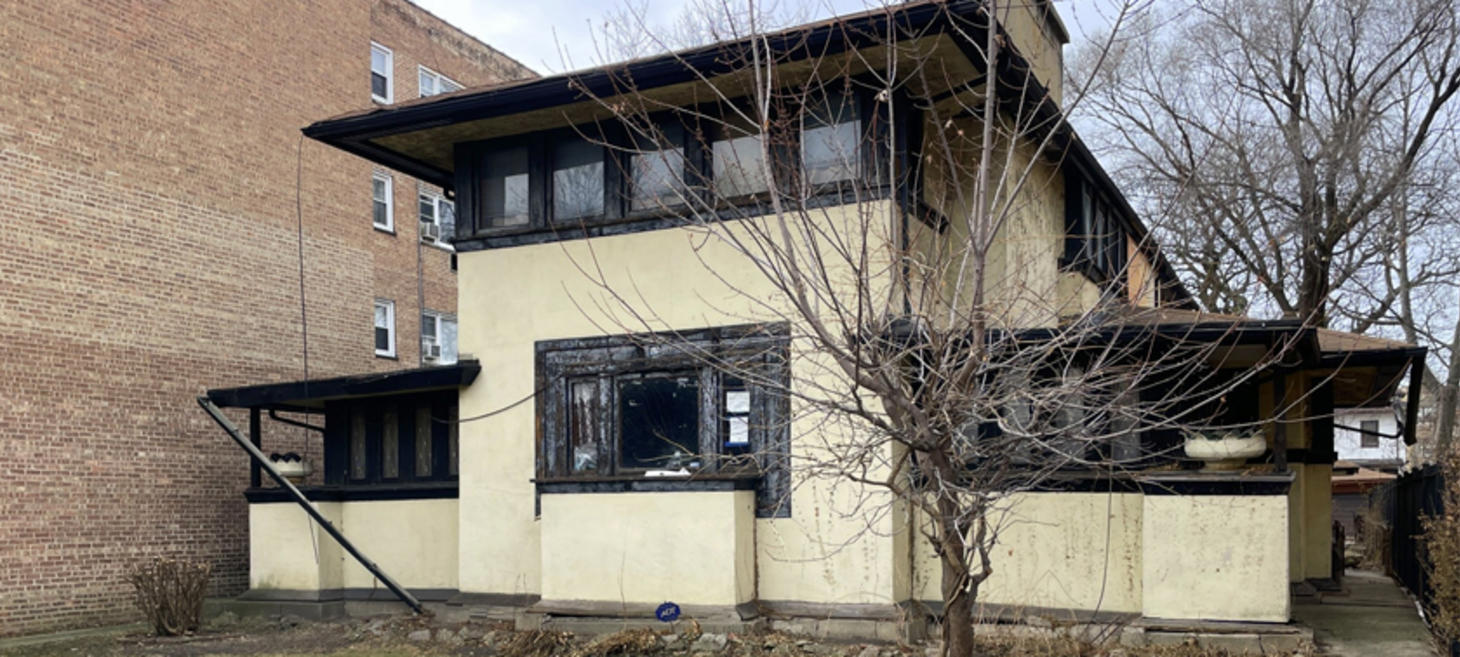
Walser House Clarification
It seems that there is some confusion about the for sale status of the Wright-designed (and endangered) J.J. Walser House in Chicago. The Frank Lloyd Wright Building Conservancy luckily helps clear things up.
From a recent online FLWBC statement: "On January 15, Zillow listed the Walser House 'for sale by owner' for $350,000. After being alerted to the listing and beginning to promote it, we became suspicious after attempts to contact the 'seller.' On Tuesday, January 20, thanks to the efforts of our community partner Austin Coming Together, we learned that the listing was not genuine. The house is owned by Fannie Mae, which is not currently offering it for sale. This fake listing, possibly aiming to defraud a well-intentioned potential purchaser, highlights the critical vulnerability of this important house. We removed the listing from our Wright on the Market page immediately on learning this, and are making efforts to stop the dissemination of the false listing. We urge Fannie Mae to negotiate with interested parties that have the vision and resources to restore the Walser House and return it to productive use."
Read more about the FLWBC's advocacy of the Walser House here.
Click for more details: savewright.org
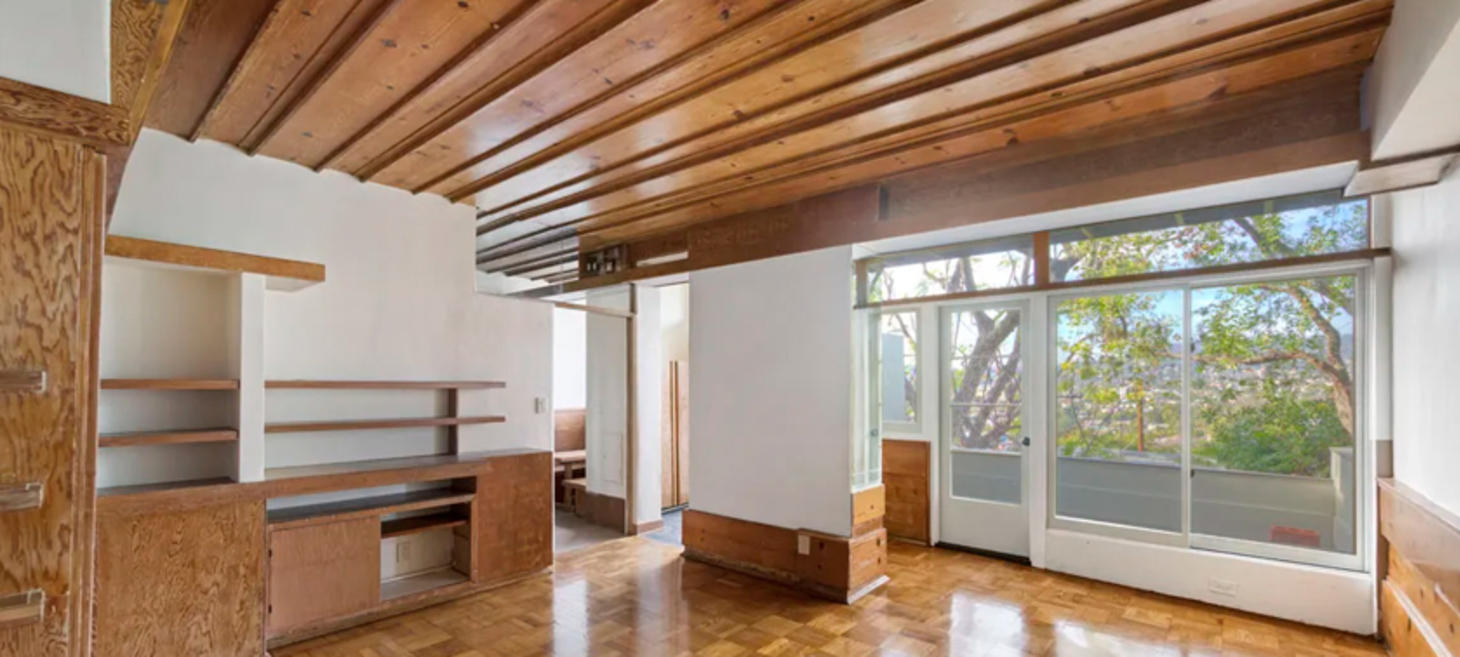
A Rare Rudolph Schindler-Designed House Available For Rent In Los Angeles
A freshly-listed rental puts the possibility of living in a modernist gem into the hands of mere mortals. This week in Los Angeles’s Silver Lake neighbourhood, a rare apartment designed by celebrated Austrian-American architect Rudolph Schindler hit the market for $3,675 per month.
The one-bedroom, one-bathroom unit is situated within a larger five-building apartment complex called Manola Court (formerly the Sachs Apartments) which Schindler designed for his friend, the muralist Herman Sachs, between 1926 and 1939.
Initially, Sachs used the home as a residence and studio. But he gradually purchased more land adjacent to the hilly site and had Schindler build two additional structures and renovate two pre-existing ones. Sachs hosted many of his creative friends at the property — a spirit that continues to thrive in Silver Lake today.
Decades later, Schindler houses remain some of the most desirable properties throughout LA and Southern California. Local resident Paul Finegold purchased the site and began restoring the buildings in 2015 with the intent of modernising them, while staying true to Schindler’s design intent.
In the freshly-listed unit, historic details have been meticulously preserved– such as original timber panelling and built-ins, plus a balcony– with the addition of modern amenities like an updated galley kitchen and a bathroom with modern fixtures and finishes.
The Manola Court site also features landscaped gardens by Los Angeles practice Terremoto, and is located a short walk from Silver Lake amenities, including its famed reservoir, restaurants and farmer’s market.
Interest in the unit, predictably, has spiked, according to Tracy Do Real Estate, the agency that holds the listing.
Not quite ready to pack your bags and move to LA? Fortunately, you can still experience Manola Court with a short-term stay that starts at $250 a night.
Click for more details: wallpaper.com
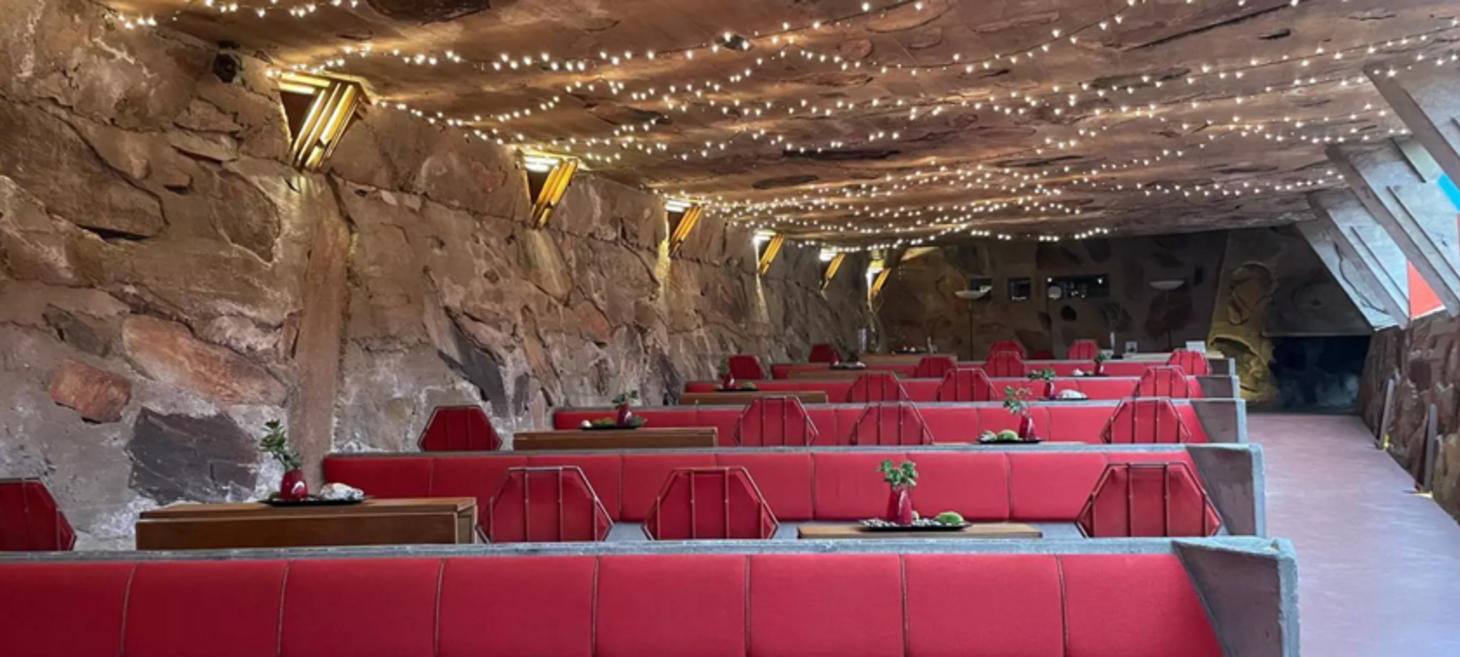
A Quick Guide To Some Iconic Arizona Architecture
The metro Phoenix has a rich history of architects and architecture — despite its tendency to tear things down.
Call it a living laboratory or an ephemeral mirage, Phoenix is an ever-changing city, and preservationists have faced long and difficult battles to save residences and commercial structures by Frank Lloyd Wright, Ralph Haver, Bennie Gonzales, or Al Beadle.
To build something new, it can help to take note of what has come before. See something interesting? Not sure what you’re looking at? Here’s a quick cheat sheet to spot some iconic designs (before they disappear).
Al Beadle was a prolific and leading architect in the Southwest from the late 1950s through the mid-1980s. His homes and commercial buildings dot the Valley and are known for their flat roofs, steel frames, and open-air car ports. The rectangular signature of the homes he designed was so recognizable that homes he designed were often called “Beadle Boxes.”
A student of several of the architects above, Wendell Burnette is a contemporary architect still designing buildings throughout the valley. His work is site-specific and modern and often uses natural light and landscape to create functional space. See: Palo Verde Library in Phoenix and Amangiri Resort in Utah.
After studying under Paolo Soleri, Will Bruder spent decades designing some of the Valley’s most well-known buildings from 1974 through 2019, when he moved his studio to Portland. He describes his style as "functional fine art based on site and user needs." Spot his work by its signature concrete blocks and sheet metals, as well as its careful positioning in relation to the sun. (Hello, Burton Barr and SMoCA.)
Mary Jane Colter was the primary architect for the Fred Harvey company from 1902 through 1948, where she designed hotels, rest areas and shopping centers along major railways from Kansas through Arizona, earning her a reputation for a "National Park Service Rustic" style. She designed the Lookout Studio, Desert View Watchtower and Hermits Rest in Grand Canyon National park and was dedicated to regionally appropriate, site-specific architecture that integrated indigenous construction techniques and elements.
Judith Chafee’s work can be seen mostly in Tucson, where she lived and taught architecture at University of Arizona. Her designs often categorized as “Desert Modernism” were celebrated for their forward thinking and innovation (a departure from the pueblo revival-style that were popular in Tucson in the 1950s through the 1980s), and their equal attention to indoor and outdoor spaces. Her work has been listed on the National Register of Historic Places, including Viewpoint, the Ramada House, and the Jacobson House, which she designed in the 1970s.
Bennie Gonzales is the creative mind behind several Scottsdale municipal buildings, including city hall, the main library, and its art complex, which he built in the 1960s and 1970s. He also designed the Heard Museum, Cotton Hotel and hundreds of single-family homes throughout the Valley (and around the world). His designs are notable for their absence of right angles, which he often opened up to widen interior and communal spaces. He was also dedicated to incorporating Southwestern and Arizona cultural elements, inspired by Navajo designs.
Ralph Haver was a beloved architect and creator of the modest and (then-) affordable tract housing developments called Haver Homes, which he built from 1942 through the mid-1980s in Phoenix. His style was contemporary and modern, and his homes can be spotted by their low-sloped roofs, wide carport and window walls, wide overhangs, high ceilings and open floorplans that promoted “cheerful good living.” In addition to houses, Haver designed several prominent buildings, including the the Kon Tiki Motor Hotel and First Federal Savings and Loan (both demolished).
If you’re unfamiliar with Frank Lloyd Wright's design hallmarks, just look for curved facades, open floor plans, low rooflines, geometric stained glass, built-in furniture, and designs that seem to communicate with the surrounding nature. Or head to Taliesin West. Wright designed buildings around the world, but made contributions to the Valley, including Gammage Auditorium at ASU and several stunning residences.
Click for more details: kjzz.org
About
This weekly Wright Society update is brought to you by Eric O'Malley with Bryan and Lisa Kelly. If you enjoy these free, curated updates—please forward our sign-up page and/or share on Social Media.
If you’d like to submit content to be featured here, please reach out by emailing us at mail[at]wrightsociety.com.
Eric, Bryan & Lisa | Wright Society Publishers