
The Headlines
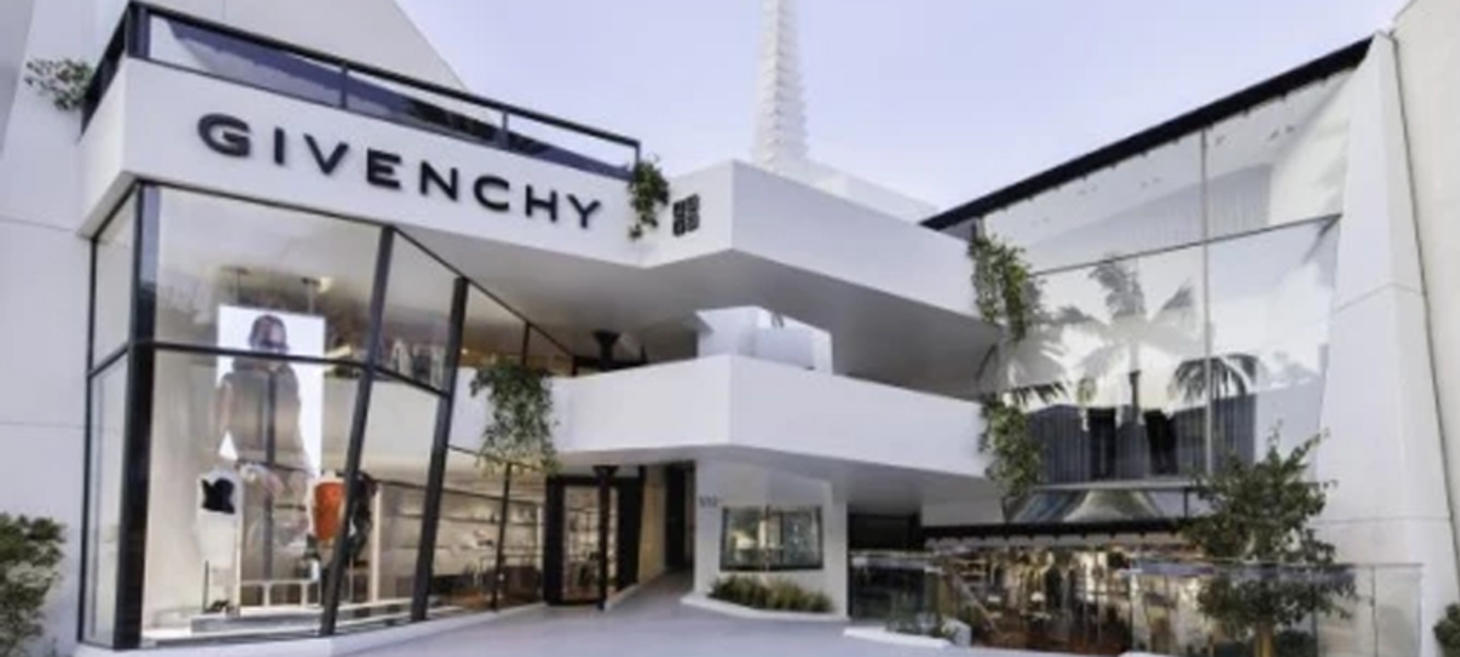
'Givenchy’s Rehabilitation Of Frank Lloyd Wright’s Anderton Court Shops’ Presented By The Frank Lloyd Wright House In Ebsworth Park
Aaron Fowlkes, LVMH Strategic Sourcing Director, presented a lecture on Givenchy’s recent rehabilitation of the Anderton Court Shops (Wright, 1952) on Rodeo Drive, in Beverly Hills. The French brand’s commitment to celebrating and preserving incredible creativity and craftsmanship returned a historical landmark to its deserved beauty.
Fowlkes highlighted the complex process of securing city approvals for California landmark buildings and gave insights into navigating the projects management with continuous design adaptations driven by unexpected historical discoveries.
Click for more details: stlpr.org
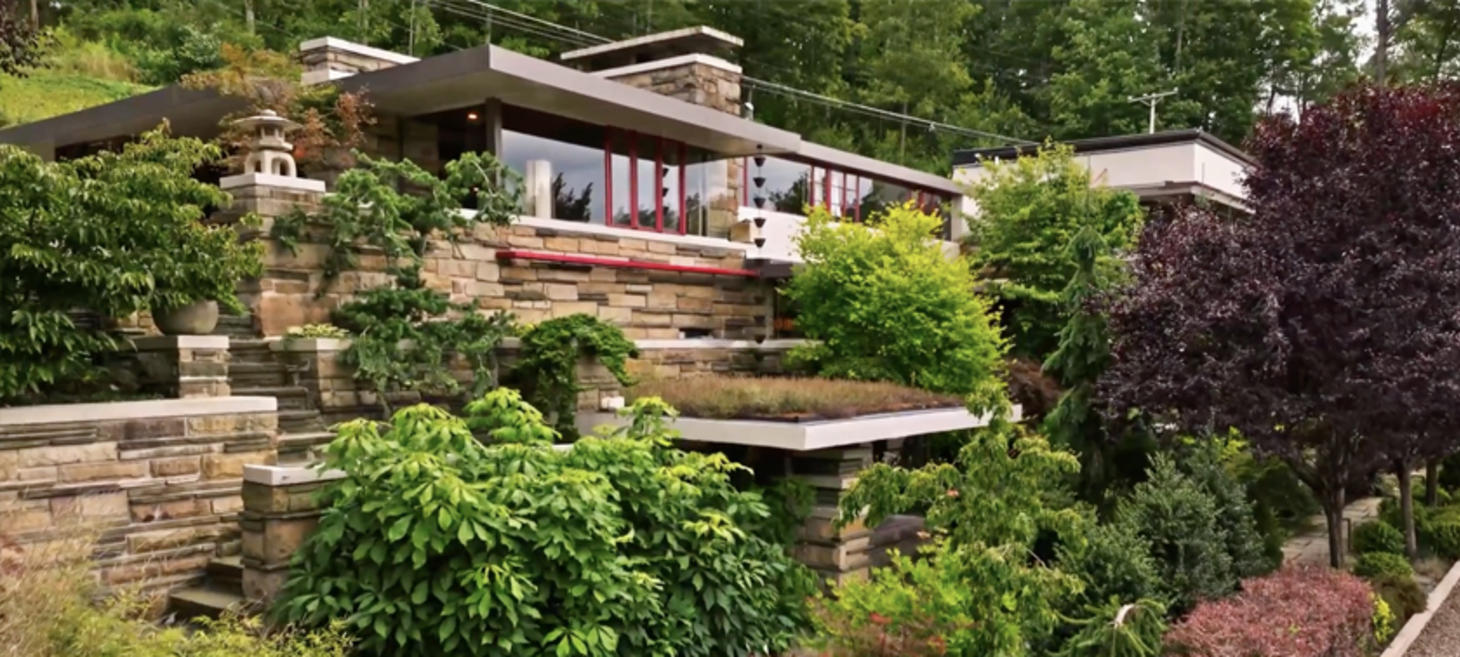
Before Working With Frank Lloyd Wright, He Built His Own Version of Fallingwater
The Wall Street Journal describes Lynn Hall, a Pennsylvania estate built in 1935 by Walter Hall—who later became the chief contractor and stonemason for Frank Lloyd Wright’s Fallingwater—as a kind of precursor to Wright’s famous work, featuring similar elements like cantilevered roofs, stone construction, and integration with water.
Originally designed as both a family home and a restaurant honoring Hall’s late wife, the property was lively for years but fell into severe disrepair after passing through the family, eventually becoming nearly abandoned and structurally damaged. A buyer in 2013 began cleanup but couldn’t afford full restoration, so the estate was sold in 2017 to a couple who spent about $1.5 million over eight years carefully restoring it—repairing stonework, rebuilding collapsed areas, reviving the waterfall feature, and preserving original architectural details while updating systems.
Now fully renovated, the property includes a main house and cottage and is listed for $2.75 million. The current owners say their goal was to save and share the home’s architectural significance, and they hope the next buyer will value its historical and design legacy.
Click for more details: wsj.com
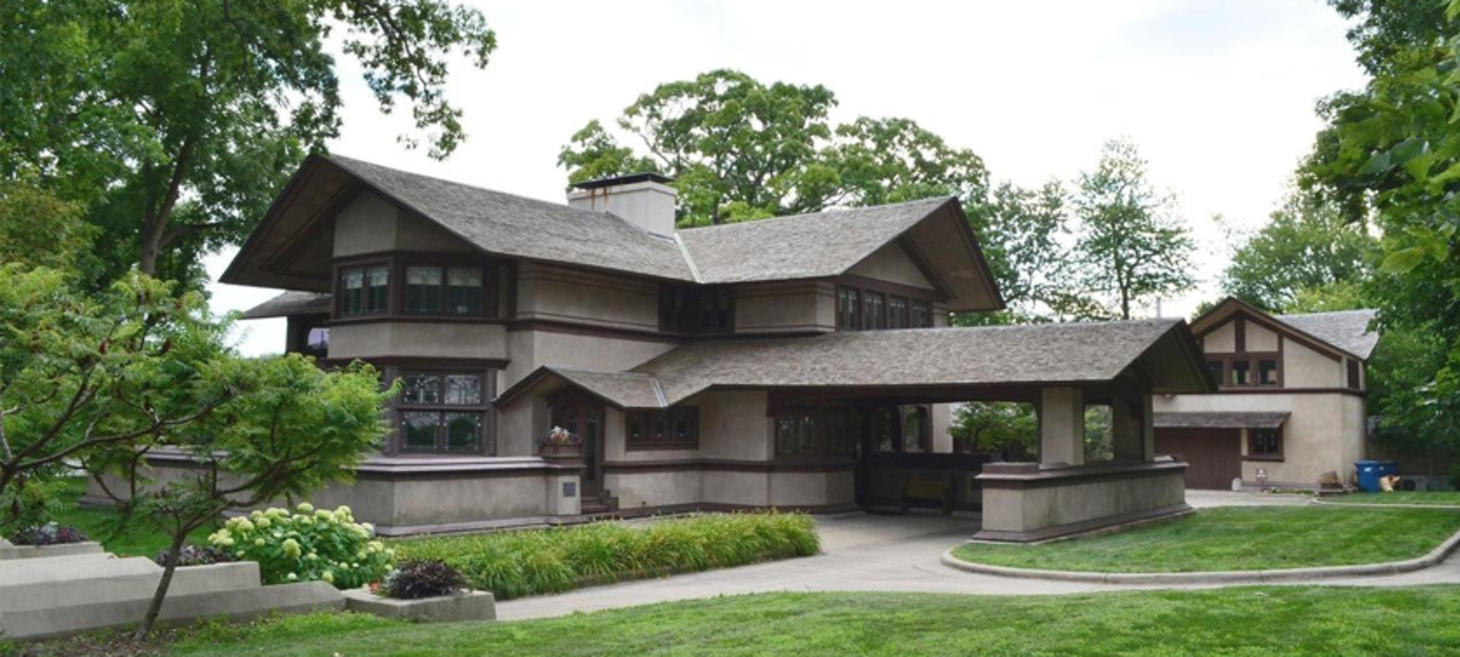
B. Harley Bradley House New Executive Director
Wright in Kankakee, Illinois is pleased to announced the naming of its new executive director, Bill Buck, of Bourbonnais. Buck has been a volunteer docent and part of the Rental Events Team for the last two years.
"I would like to thank the Board for allowing me the opportunity to further serve The B. Harley Bradley House," Buck said in a statement. "I have enjoyed my time as a docent and I look forward to the months ahead."
Buck brings to the role decades of experience in the banking industry. He will work directly with Wright in Kankakee staff and board members on projects such as the Raise the Roof campaign, events and fundraisers, and general upkeep and maintenance of the historical B. Harley Bradley House, located at 701 S. Harrison Avenue in Kankakee.
Buck shares that he has long held an interest of and passion for the house. "When I lived in the Riverview area, I commuted daily to my job at a bank in downtown Kankakee and passed the house almost every day," said Buck. "Over time, I witnessed its many transitions—from its days as The Yesteryear, through a period of decline, to Steve Small's effort to operate it as a bed and breakfast, then its use as an attorney's office, and ultimately to the remarkable restoration by the Gaines and Sharon Hall.
"Having seen that full evolution, I view the home not only as a vital asset to the local community but as a national treasure. As one of the earliest Prairie-style designs by Frank Lloyd Wright, it holds an important place in architectural history. I look forward to helping expand awareness and appreciation of this extraordinary home and its significance."
With Wright in Kankakee in its 16th year, Buck follows the tenure of architect Bob Bohlmann, who is helping onboard Buck during the transition. Wright in Kankakee's Board of Directors extends its sincere gratitude to Bohlmann, and looks forward to working with Buck in his new capacity.
Click for more details: wright1900.org
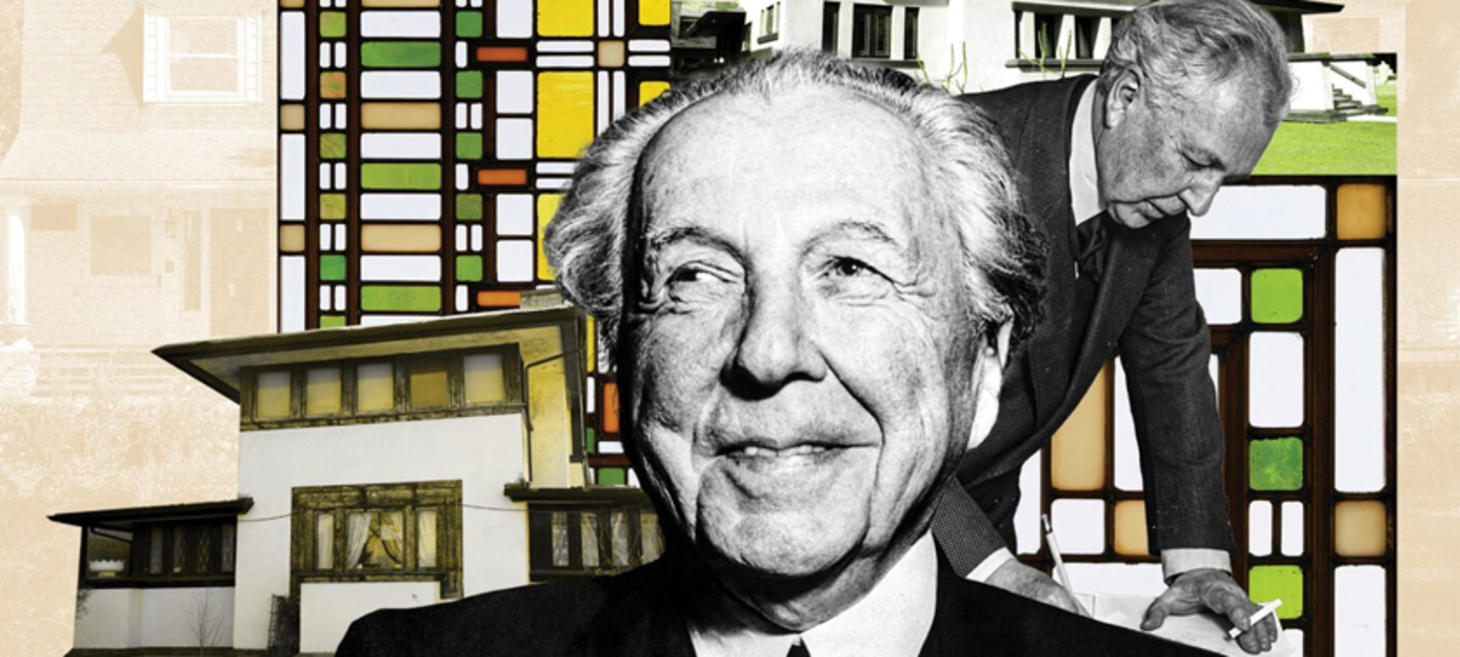
Inside Chicago’s Frank Lloyd Wright Preservation Market
The RealDeal looks at the niche but complicated market for “fixer-upper” homes designed by Frank Lloyd Wright, focusing on why these architecturally significant properties often sell in less-than-perfect condition and what it takes to restore them.
Wright homes carry a kind of cultural prestige that attracts devoted buyers, but many come with serious maintenance issues due to age, unconventional design choices, and the difficulty of sourcing period-appropriate materials. As a result, they frequently require extensive—and expensive—restoration work, turning them into true fixer-uppers rather than move-in-ready trophy homes.
Owning one of these houses is less a typical real estate investment and more a stewardship role. Buyers are often preservation-minded enthusiasts willing to navigate strict historical guidelines, high renovation costs, and ongoing upkeep just to maintain the integrity of Wright’s original vision.
The market for these homes has cooled compared to the pandemic-era surge, meaning some properties linger or trade at discounts relative to their peak hype. That dynamic can create opportunities—but only for buyers prepared for the financial and logistical realities of restoring a historic design.
Frank Lloyd Wright fixer-uppers are a paradox: they’re iconic and desirable, yet demanding and risky, appealing mainly to a small group of committed buyers who value architectural legacy over convenience.
Click for more details: therealdeal.com
About
This weekly Wright Society update is brought to you by Eric O'Malley with Bryan and Lisa Kelly. If you enjoy these free, curated updates—please forward our sign-up page and/or share on Social Media.
If you’d like to submit content to be featured here, please reach out by emailing us at mail[at]wrightsociety.com.
Eric, Bryan & Lisa | Wright Society Publishers