
The Headlines
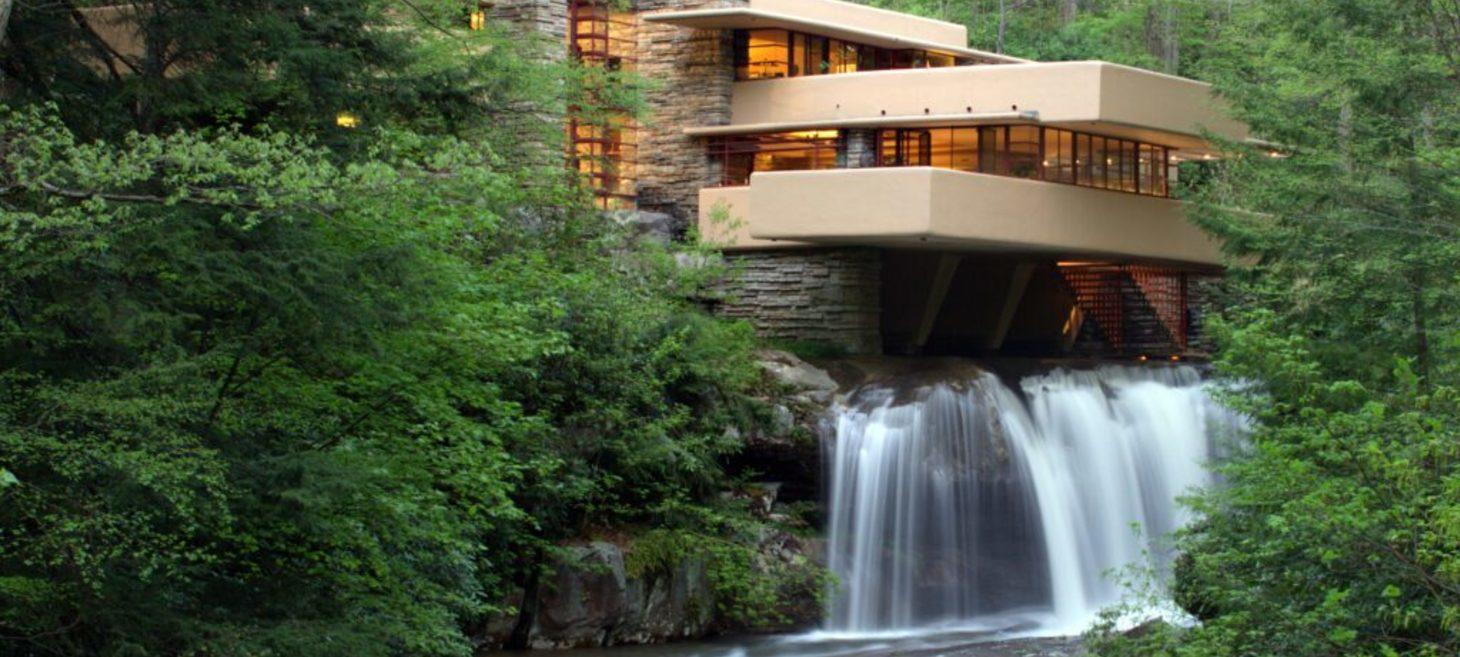
Fallingwater Celebrates Its 90th Anniversary
Fallingwater, designed by Frank Lloyd Wright in 1935 for the Kaufmann family, is one of the architect’s most celebrated works and has remained an architectural landmark in southwestern Pennsylvania for 90 years. Created as a retreat from city life, the house was carefully integrated into its natural surroundings, with Wright drawing inspiration from the landscape for its materials, colors, forms, and overall design. Its famous placement over a waterfall and its close relationship with nature make it a compelling destination throughout the year as the changing seasons transform its appearance.
Donated to the Western Pennsylvania Conservancy by Edgar Kaufmann Jr. in 1963, Fallingwater is now open to the public and holds both National Historic Landmark status and a place on the UNESCO World Heritage List. To mark its 90th anniversary, the site is hosting a series of special events, including a chocolate tasting and dinner experience, an art-and-nature-themed gala, and a jazz celebration honoring Pittsburgh musicians.
Visitors can enhance their trip by exploring nearby outdoor attractions such as Bear Run Nature Reserve, the Great Allegheny Passage, hiking trails, biking routes, and whitewater rafting opportunities in the Laurel Highlands. Architecture enthusiasts can also visit Kentuck Knob, another Wright-designed home located nearby, and Polymath Park, a resort featuring homes designed by Wright and his apprentice Peter Berndtson.
According to Fallingwater officials, the home continues to embody Wright’s philosophy of organic architecture by demonstrating how buildings can harmonize with nature, local materials, and craftsmanship. Its enduring appeal lies not only in its innovative design but also in the sense of beauty, calm, and connection to the natural world that it offers visitors. Those planning a weekend visit can stay or dine at Historic Stone House Restaurant, Inn and Tavern, a historic establishment dating back to 1822 that serves elevated American cuisine in a mountain setting.
Click for more details: georgetowner.com
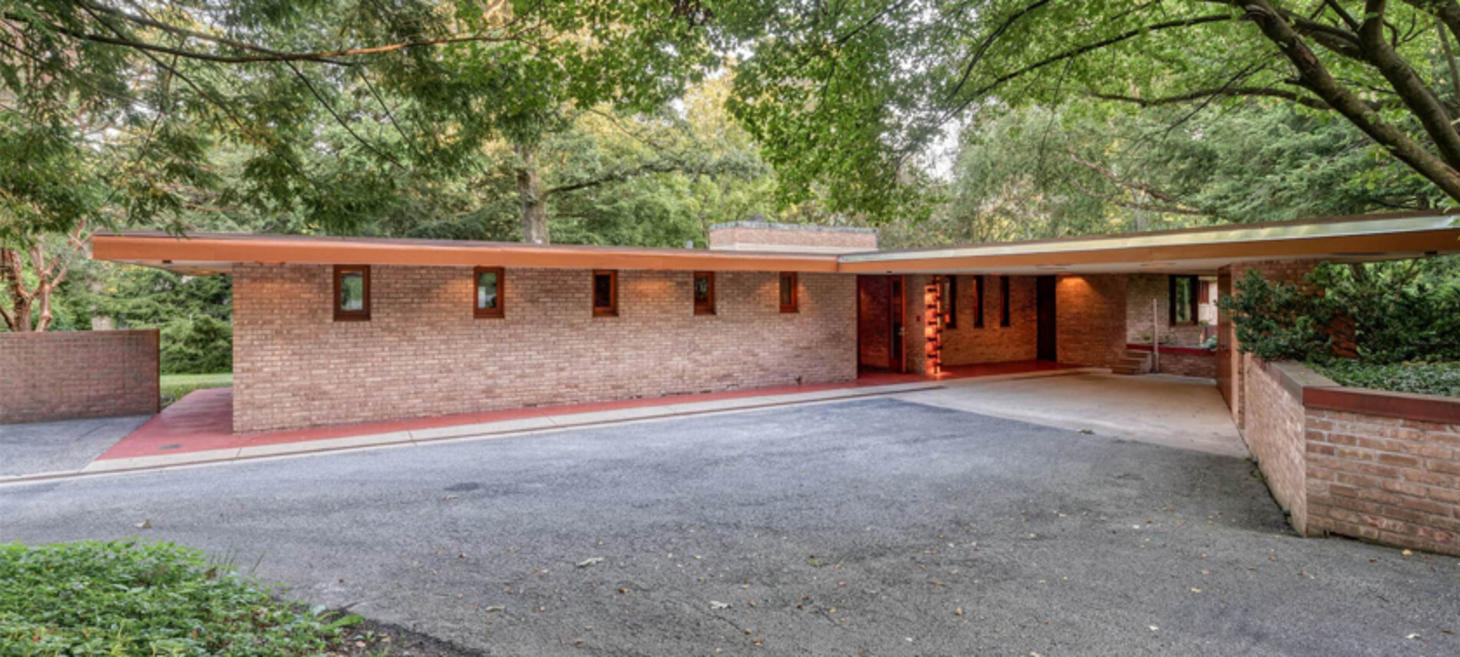
Rockford’s Laurent House Named Top Attraction On TripAdvisor
Rockford’s Laurent House has been named the top-rated attraction in Rockford, Illinois on Tripadvisor, surpassing other well-known local destinations. The house, designed by Frank Lloyd Wright for Kenneth Laurent, is especially significant because it is the only Wright-designed home built specifically for a wheelchair user and is considered an early example of universal accessibility in residential architecture.
The recognition reflects strong visitor reviews and ratings on Tripadvisor, where travelers consistently praise the home's preservation, original furnishings, intimate guided tours, and knowledgeable docents. Visitors also highlight the way Wright incorporated accessibility features into the design decades ahead of their time.
The ranking is a point of pride for Rockford and for the foundation that operates the house as a museum. Leaders associated with the site view the honor as validation of years of restoration and educational efforts, while also helping raise awareness of both Wright’s architectural legacy and the Laurent family's story.
Today, the Laurent House is open for guided tours and continues to attract architecture enthusiasts, history buffs, and visitors interested in accessible design. Tripadvisor currently lists it among the highest-rated attractions in Rockford, with reviews emphasizing its historical importance and unique place within Wright’s body of work.
Click for more details: aol.com
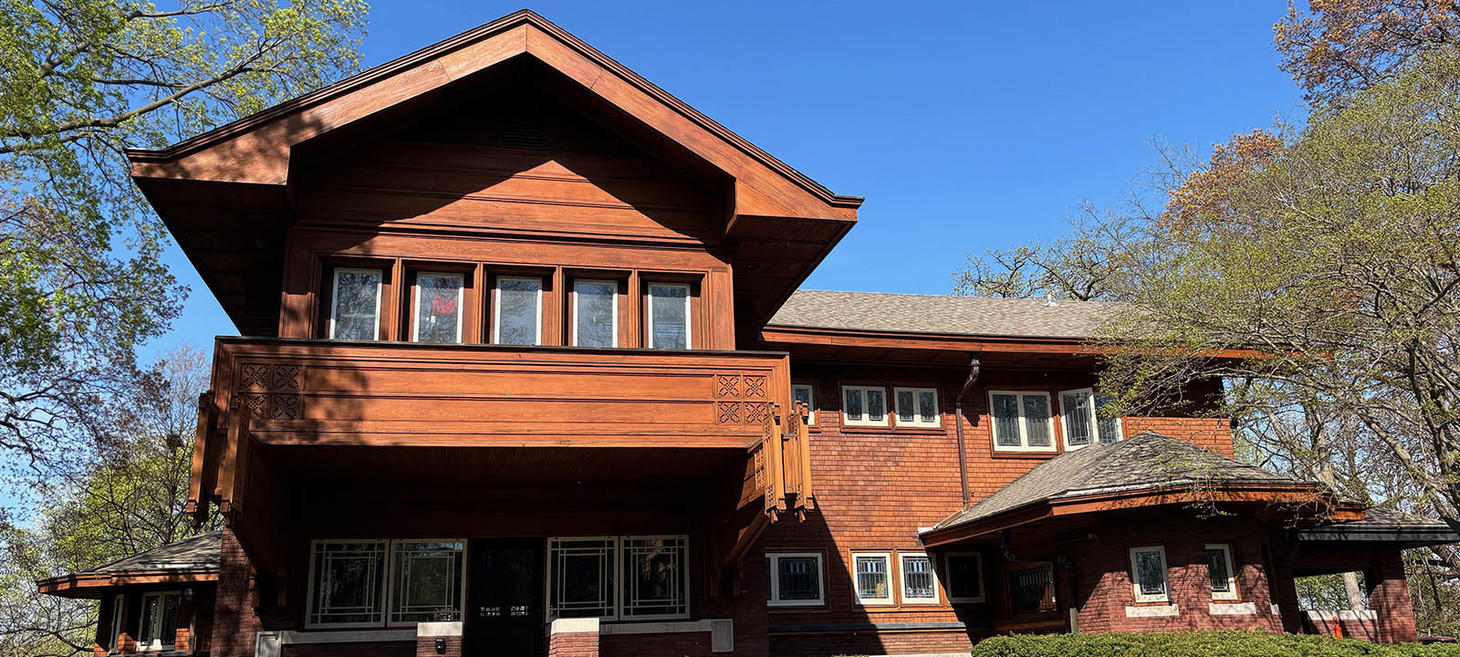
Sigma Phi's Louis Sullivan-Designed Bradley House
The historic Harold C. Bradley House is a landmark Prairie School residence in Madison, Wisconsin designed in 1908–1910 by Louis Sullivan, with significant contributions from George Grant Elmslie. The house was commissioned by industrialist Richard T. Crane as a wedding gift for his granddaughter Josephine Crane and her husband, University of Wisconsin professor Harold C. Bradley.
Considered a Prairie School masterpiece, it is notable as the only surviving twentieth-century residence designed by Sullivan. The design emerged after an earlier proposal was rejected for being too grand. Architectural historians have debated how much credit belongs to Sullivan versus Elmslie, but the finished house is generally viewed as a collaborative work that blends Sullivan’s structural ideas with Elmslie’s decorative details. The building’s low horizontal lines, broad overhangs, art glass, brickwork, and open floor plan exemplify Prairie School architecture.
In 1915, after the Bradleys decided they preferred a smaller home, the property was purchased by Sigma Phi Fraternity. The fraternity has occupied the house ever since, typically housing around twenty members while preserving its historic public rooms and architectural character.
A major turning point came in 1972 when an electrical fire destroyed the second floor, attic, and roof and caused extensive water damage throughout the building. Rather than demolish the structure, Sigma Phi chose to restore it. The effort was made possible largely through the financial support of alumnus Arthur C. Nielsen, founder of A.C. Nielsen. The restoration reconstructed historic features while also modernizing infrastructure, adding fire protection systems, and upgrading facilities for residents.
Today the main focus is a current exterior restoration project. After decades of staining and weather exposure, parts of the cypress-shingle exterior had developed discoloration and deterioration. Research by preservation specialists revealed that the house’s original finish was much lighter than the dark stain applied in later years. The ongoing work involves removing the old finish, repairing damaged wood and cantilevers, restoring windows, and returning the exterior to a color believed to be much closer to its original appearance.
The house has remarkable interior spaces—including its art-glass-lined gallery, library, fireplaces, built-in furnishings, and richly crafted woodwork—and one can argue that the Bradley House remains one of the most significant and beautiful examples of Prairie School architecture in Wisconsin.
Click for more details: onmilwaukee.com

Repairs Underway To Annie Pfeiffer Chapel At Florida Southern College
Repairs are underway at Florida Southern College’s historic Annie Pfeiffer Chapel, the iconic chapel designed by Frank Lloyd Wright and considered the architectural centerpiece of the campus. The work focuses on fixing damage caused by water intrusion and weather-related deterioration, including issues that have affected the chapel’s roof, ceilings, skylight area, and other structural elements.
College officials and preservation architects emphasize that maintaining the chapel is challenging because of Wright’s experimental design and materials, which require specialized restoration techniques. Recent storms and long-term moisture problems have added urgency to the repairs. The restoration effort aims to preserve the landmark’s historic character while improving its durability so it can continue serving as a venue for worship, ceremonies, and campus events.
The chapel, completed in 1941, is the first and most significant of Wright’s buildings at Florida Southern and is part of the largest collection of his architecture in one location.
Click for more details: theledger.com
About
This weekly Wright Society update is brought to you by Eric O'Malley with Bryan and Lisa Kelly. If you enjoy these free, curated updates—please forward our sign-up page and/or share on Social Media.
If you’d like to submit content to be featured here, please reach out by emailing us at mail[at]wrightsociety.com.
Eric, Bryan & Lisa | Wright Society Publishers