
The Headlines
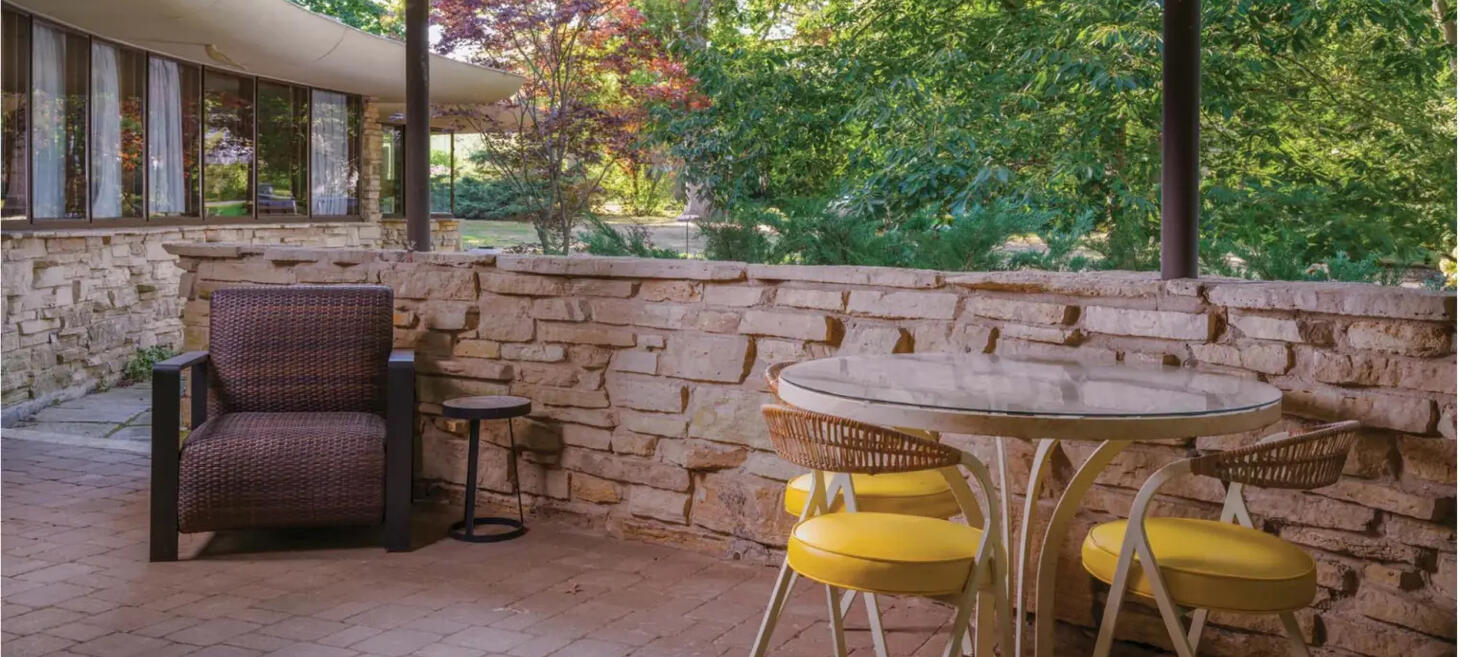
Wright's ‘NO RIGHTS’ Philosophy
Many midcentury modern buildings boast of strong lines and rectangular builds, but famous Wisconsin architect, Frank Lloyd Wright, preached of softer geometrical shapes that blend more naturally with the landscape. Wright says, “Organic architecture seeks superior sense of use and a finer sense of comfort, expressed in organic simplicity.” This led to the experimentation of designs with no right angles.
When one looks to nature—the hills, the forests, the creeks— there are very few right angles to be found. There are softer angles in the crooks of trees and in the splay of grass blades, and there are spiraling fractals in the pine cones and flowers. Wright wanted to mirror this in his buildings. “No house should be on a hill or on anything,” he said. “It should be of the hill. Belonging to it. Hill and house should live together each the happier for the other.”
An apprentice to Wright, Robert "Bob" Rasmussen (1927–2023) was an architect and apprentice to Frank Lloyd Wright. He studied at Taliesin and Taliesin West from late 1956 through 1957, took up this mantle and subsequently designed his own organic modern time-capsule residence in Lake Forest, Illinois, completed around 1967. Without right angles, it is curved and beautiful, blending in harmony with the landscape.
Rasmussen reminisced about Wright, saying, “He used to always say, ‘Boys, the architecture’s here. It’s up to you to get it.’” Similar to the famous Michelangelo quote, “Every block of stone has a statue inside it and it is the task of the sculptor to discover it,” Wright also expressed that the architecture exists in the natural world, and can be found through harmony with nature and brought into existence by organic angles and soft geometry.
Click for more details: pressreader.com
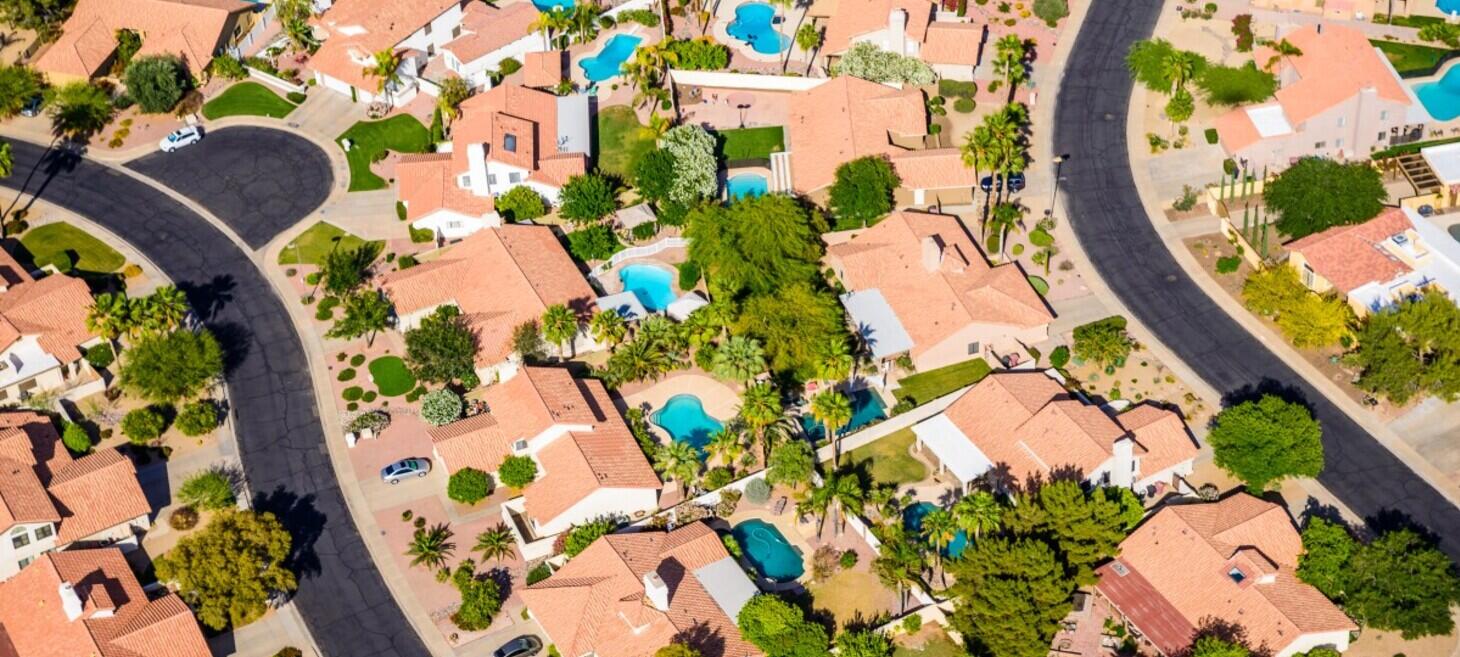
How Architect Frank Lloyd Wright And Painter Eric Fischl Got New York Elites To Embrace Phoenix
Art critic Jackson Arn argues that Phoenix, Arizona becomes more understandable—and even visionary—through the work of Frank Lloyd Wright. After moving from Arizona to New York, Arn realized that many East Coast cultural elites dismissed Phoenix as an artificial city that “shouldn’t exist.” He contends that Wright’s architecture offers a compelling counterargument by treating the Sonoran Desert not as an obstacle to overcome but as the foundation for a distinctly modern way of living.
Rather than imposing conventional urban forms, Wright embraced the desert’s light, space, geology, and climate, creating buildings that seem to grow naturally from the landscape and suggesting that the Southwest represented the future of American architecture rather than its periphery.
Arn pairs Wright with painter Eric Fischl, whose emotionally charged depictions of suburban life reveal the psychological complexity beneath Phoenix’s orderly neighborhoods. Together, Wright and Fischl transform the city from a place often criticized for its rapid growth and harsh environment into one worthy of artistic and intellectual attention.
Arn concludes that distancing himself from Phoenix helped him appreciate its unique character and that Wright, more than anyone else, demonstrated how the desert could inspire an architecture that is innovative, regionally rooted, and internationally significant, helping reshape how outsiders perceive the city.
Click for more details: kjzz.org
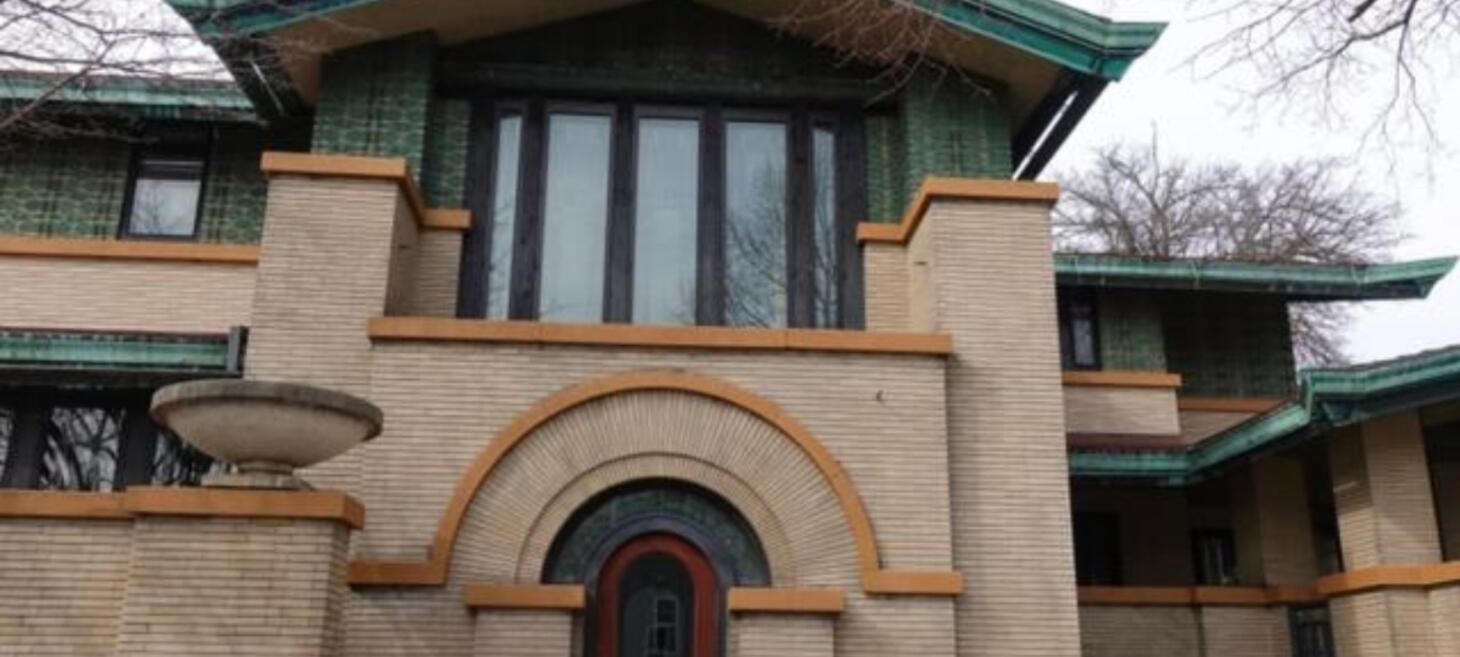
Dana-Thomas House Has Volunteer Opportunities
Springfield, Illinois’ Frank Lloyd Wright house needs volunteers. The Illinois Department of Natural Resources says people interested in volunteering at the Dana-Thomas House
IDNR says this is a great opportunity for high school students looking for service hours and for adults and seniors who want to give back to the community.
People who attend the open house will learn about the volunteer program and the historical and architectural significance of the home. A tour of the home is included, as is a chance to meet staff and current volunteers.
Volunteers can also attend special events and, according to an IDNR news release, get “the chance to become part of a welcoming community dedicated to preserving Illinois history.”
They ask that you register in advance by emailing lauren.gleason@illinois.gov or by calling (217) 720-7309. should attend an open house Thursday, Aug. 20, between 2 and 4 p.m. at the Dana-Thomas House, a state historic site.
Click for more details: capitolcitynow.com
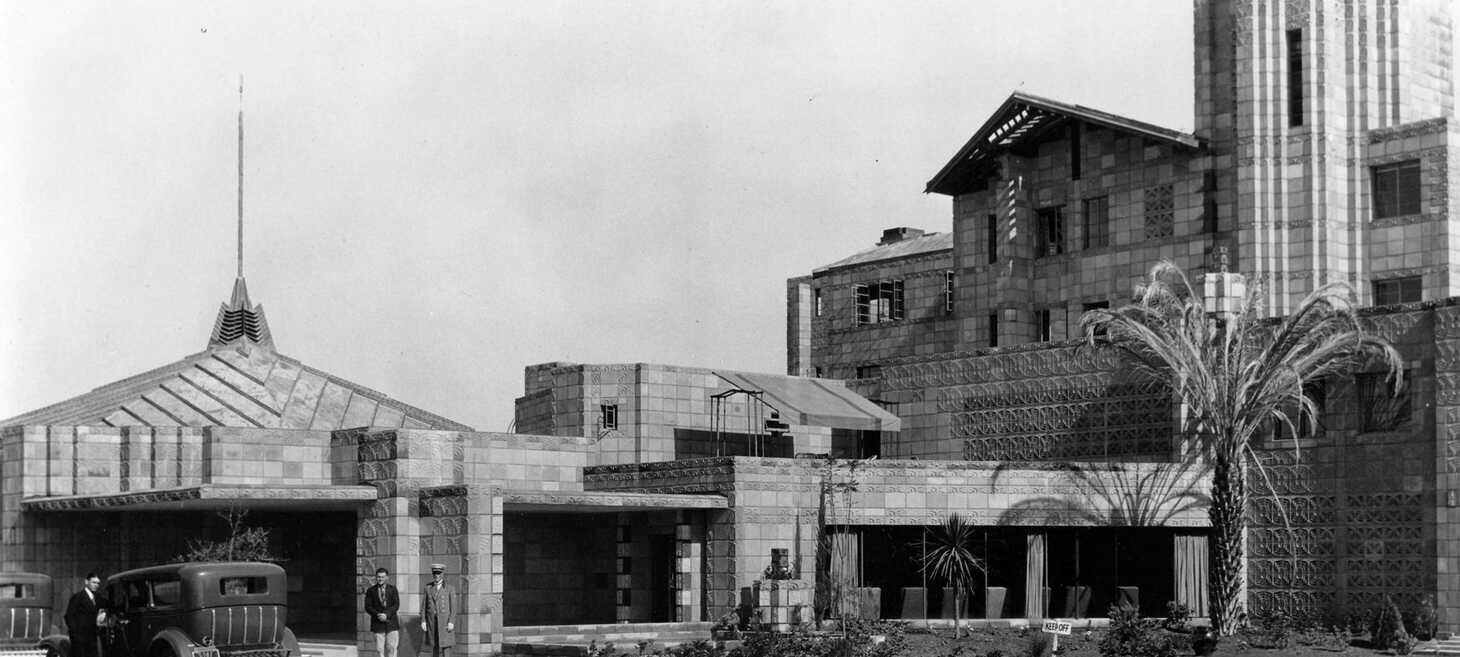
Historic Photos Show History Of Arizona Biltmore Resort
azcentral features a photo gallery showcase that highlights the enduring beauty and architectural significance of the historic Arizona Biltmore Hotel in Phoenix, Arizona, with its distinctive geometric “Biltmore block” design, elegant interiors, lush gardens, fountains, pools, and desert landscaping.
The images emphasize the resort’s blend of luxury and Southwestern character, featuring grand public spaces, historic details, and scenic outdoor areas framed by mountain views. Together, the photographs illustrate why the Arizona Biltmore remains one of Arizona’s most recognizable and celebrated landmarks, reflecting both its nearly century-long history and its continued appeal as a luxury destination.
Click for more details: azcentral.com
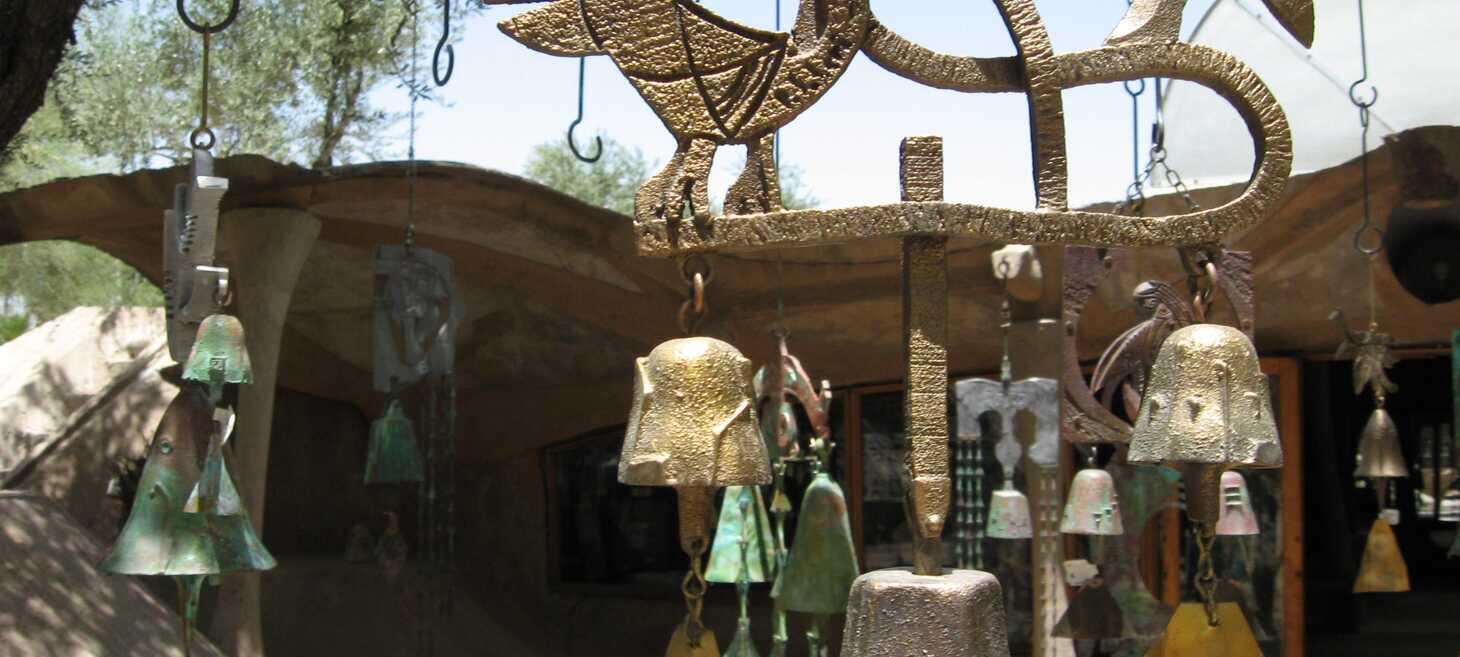
See Cosanti, Frank Lloyd Wright Apprentice's AZ Experiment
azcentral also shares a photo gallery that showcases Cosanti, the experimental architectural compound in Paradise Valley, Arizona created by Italian-American architect and urban planner Paolo Soleri beginning in the 1950s. The images highlight its distinctive earth-cast concrete structures, domes, apses, shaded courtyards, gardens, and organically integrated buildings that embody Soleri's philosophy of blending architecture with ecology.
The gallery also features the artisans who continue producing Cosanti's famous handcrafted bronze and ceramic windbells using techniques developed by Soleri, illustrating how the site remains both a working studio and a living piece of architectural history. Together, the photographs emphasize Cosanti's sculptural beauty, innovative passive-design concepts, and lasting influence as the precursor to Soleri's larger experimental community, Arcosanti.
Click for more details: azcentral.com
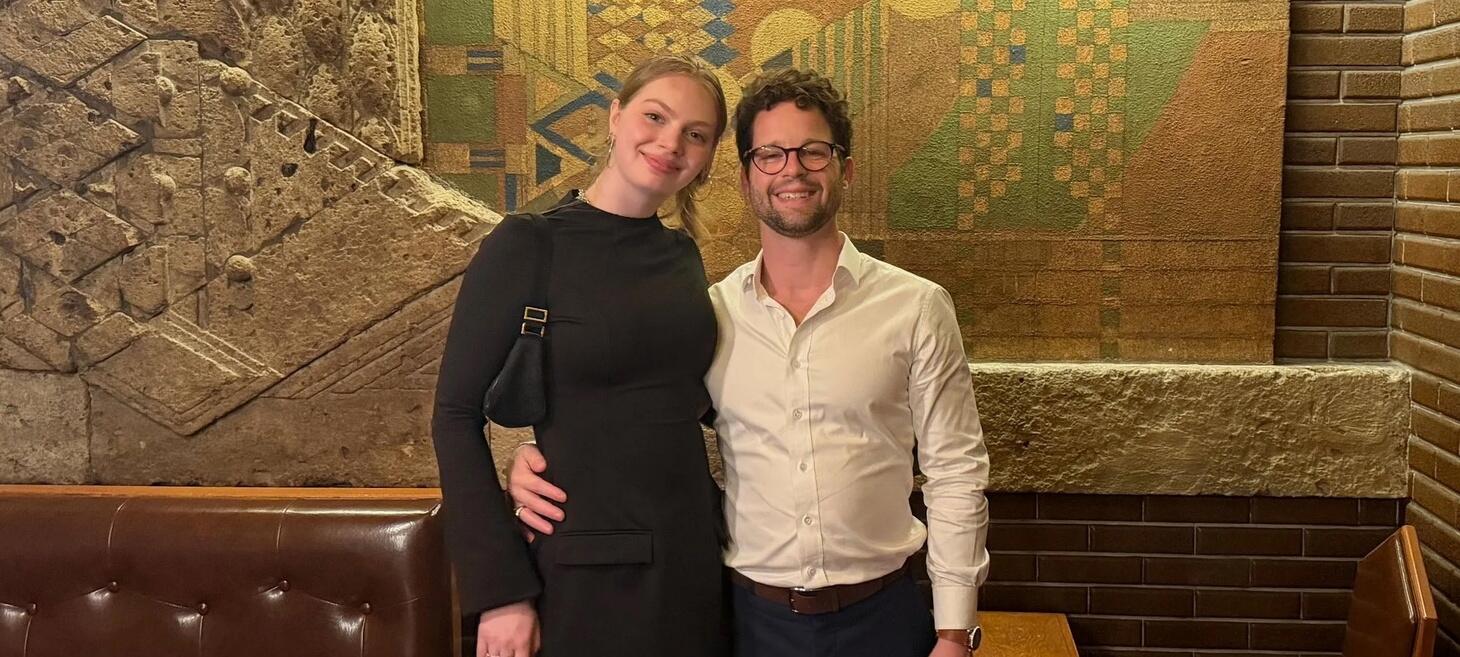
Imperial Hotel Tokyo Is Still A Gem
The Imperial Hotel Tokyo, known as the “Jewel of the Orient,” is presented as both a symbol of Japan’s Westernization and a remarkable chapter in Frank Lloyd Wright’s architectural legacy. Originally opened in 1890, the hotel became a prestigious destination for diplomats, industrialists, and international visitors. In 1923, Wright completed a redesign, an especially fitting choice given his deep fascination with Japan and its art and architecture. His Prairie School principles—horizontal lines, simplicity, and harmony with nature—aligned naturally with Japanese design traditions, while his extensive collection of Japanese woodblock prints reflected his longstanding admiration for the country.
Although Wright’s Imperial Hotel was demolished in the late 1960s, important portions of his work were saved. Preservationists dismantled the original lobby and reflecting pool and reconstructed them at Museum Meiji-mura in Aichi Prefecture, where visitors can still experience his design. The current Imperial Hotel was designed by Japanese architect Teitaro Takahashi, who admired Wright and incorporated elements of his architectural vocabulary. The influence is still apparent in details such as the framing of Hibiya Park through the hotel’s floor-to-ceiling windows, as well as in a surviving Wright-designed stone mosaic in the Old Imperial Bar.
For Johnny Motley of The Manual, staying at the hotel offered more than luxury; it was an encounter with this architectural history. The soaring marble lobby, grand staircase, lavish rooms, views of Hibiya Park, and Wright-related details connected contemporary Tokyo with the hotel’s remarkable past. Even the dining and drinking experiences reinforced that connection, from cocktails beside Wright’s mosaic at the Old Imperial Bar to the hotel’s refined blend of Japanese and Western traditions. Ultimately, the Imperial Hotel emerges as a living example of how Wright’s ideas helped bridge Japanese aesthetics and Western modernism, leaving an architectural legacy that survives even though his original hotel no longer does.
Click for more details: themanual.com
About
This weekly Wright Society update is brought to you by Eric O'Malley with Bryan and Lisa Kelly. If you enjoy these free, curated updates—please forward our sign-up page and/or share on Social Media.
If you’d like to submit content to be featured here, please reach out by emailing us at mail[at]wrightsociety.com.
Eric, Bryan & Lisa | Wright Society Publishers