
The Headlines
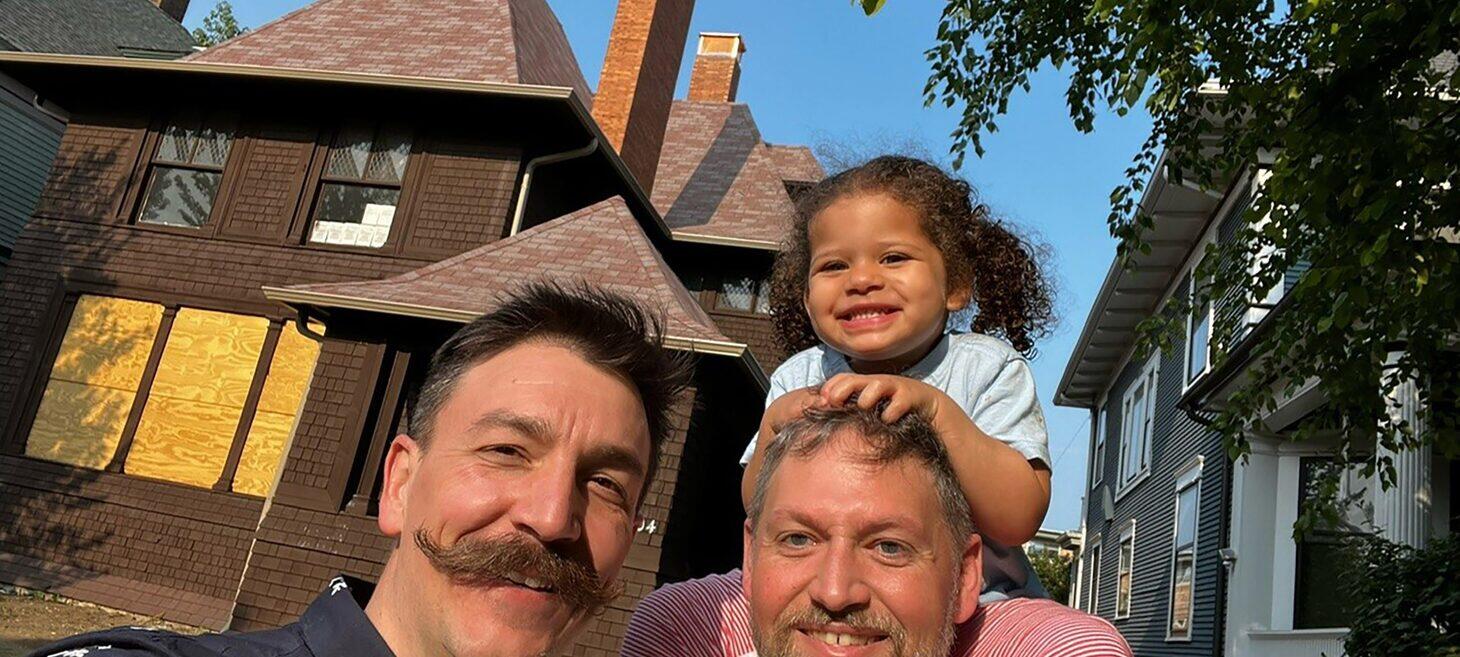
Wright Conservancy Announced Its Annual Awards
The Frank Lloyd Wright Building Conservancy has announced its 2026 awards recognizing people who have made significant contributions to preserving Wright’s buildings and legacy. Two Oak Park residents, William and Frederick Grier, received a Wright Spirit Award for restoring the Lucy and George Smith House, an early Wright design that had deteriorated badly and was once deemed uninhabitable. The couple purchased the home in 2023 and undertook an extensive restoration; Frederick Grier had previously studied architecture at Taliesin.
The Conservancy also honored attorneys John J. Lydon and Michael Rachlis for their pro bono work helping save the J.J. Walser House in Chicago’s Austin neighborhood. The house was in poor condition and facing foreclosure, and the attorneys helped navigate a complicated legal process. It has since been purchased by Austin Coming Together, which plans to restore it as a community hub.
Other 2026 honorees include the owners of Wilmette’s Baker House, preservationist Shelley Hayreh, the owners of the David and Gladys Wright House in Phoenix, and law firms that assisted with preservation of Wright’s Price Tower. The awards will be presented November 7 at the Conservancy’s annual conference in Scottsdale, Arizona.
Click for more details: oakpark.com
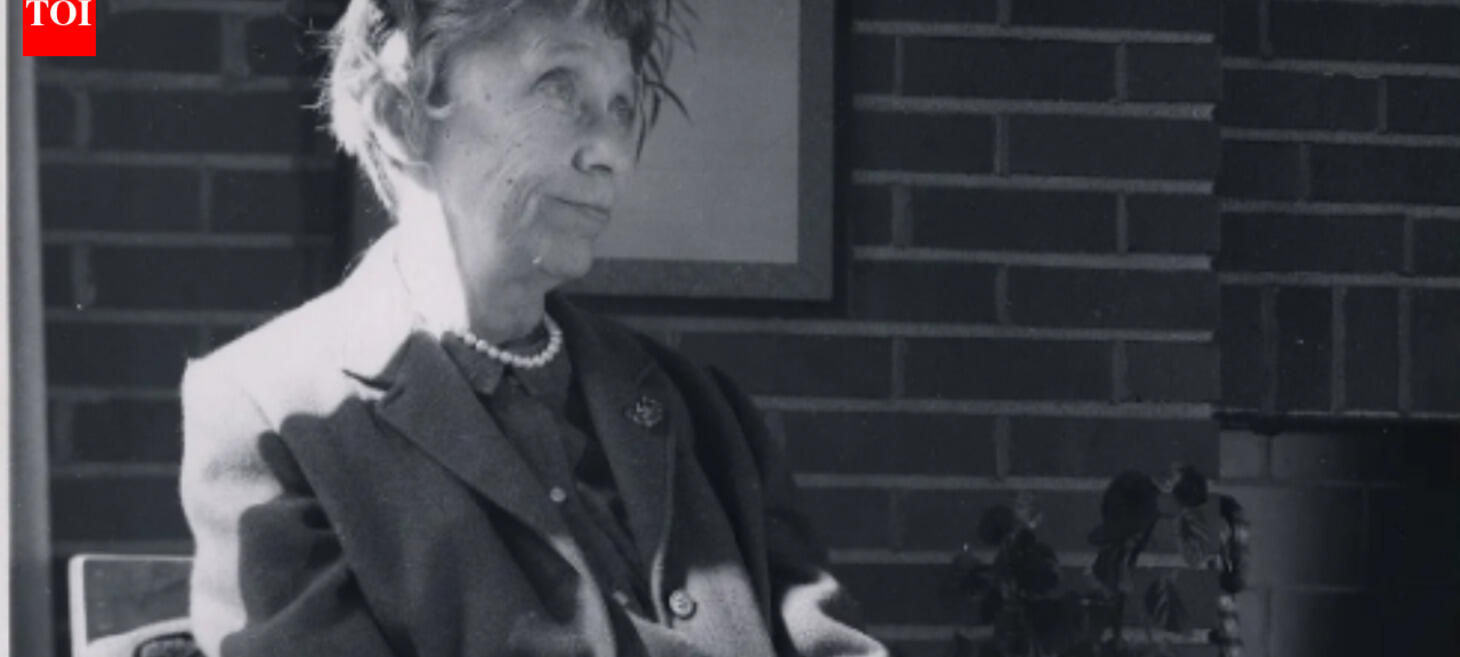
In 1964, A Virginia Widow Fought To Save Her Frank Lloyd Wright Home
Sixty years ago, a house was reconstructed at Woodlawn, a National Trust-owned property outside of Washington, DC, after a historic and hard-fought battle to save it from destruction. Originally built in Falls Church, Virginia for Loren and Charlotte Pope, the 1,200-square-foot Frank Lloyd Wright home was under threat due to the construction of the new Interstate 66, but was saved by a historic hard-fought battle led by Marjorie Leighey, according to the National Trust for Historic Preservation.
Leighey was a 57-year-old widow who fought in the 1960s to save her home, a 1,200-square-foot house designed by famed architect Frank Lloyd Wright. The house was threatened with demolition when Interstate 66 was planned through the property. After her husband Robert died in 1963, Leighey enlisted lawyers, preservationists, politicians and the National Trust for Historic Preservation to prevent the house from being destroyed.
Rather than changing the highway plans, the group found a way to save the house by moving it. Leighey selected Woodlawn, near Alexandria, because its landscape reminded her of the home's original setting. The Wright house was carefully dismantled, transported about 13 miles, and reconstructed piece by piece at Woodlawn. Leighey temporarily left for Japan in 1964 to serve as an Episcopal missionary and returned to live in the reconstructed house in 1969.
The episode became an important example of historic preservation. The effort helped inspire broader preservation activism, contributing to the passage of the National Historic Preservation Act of 1966. The Pope-Leighey House was later placed on the National Register of Historic Places and remains open to the public, making Leighey's personal campaign an enduring example of how an individual effort can contribute to a much larger preservation movement.
Click for more details: indiatimes.com
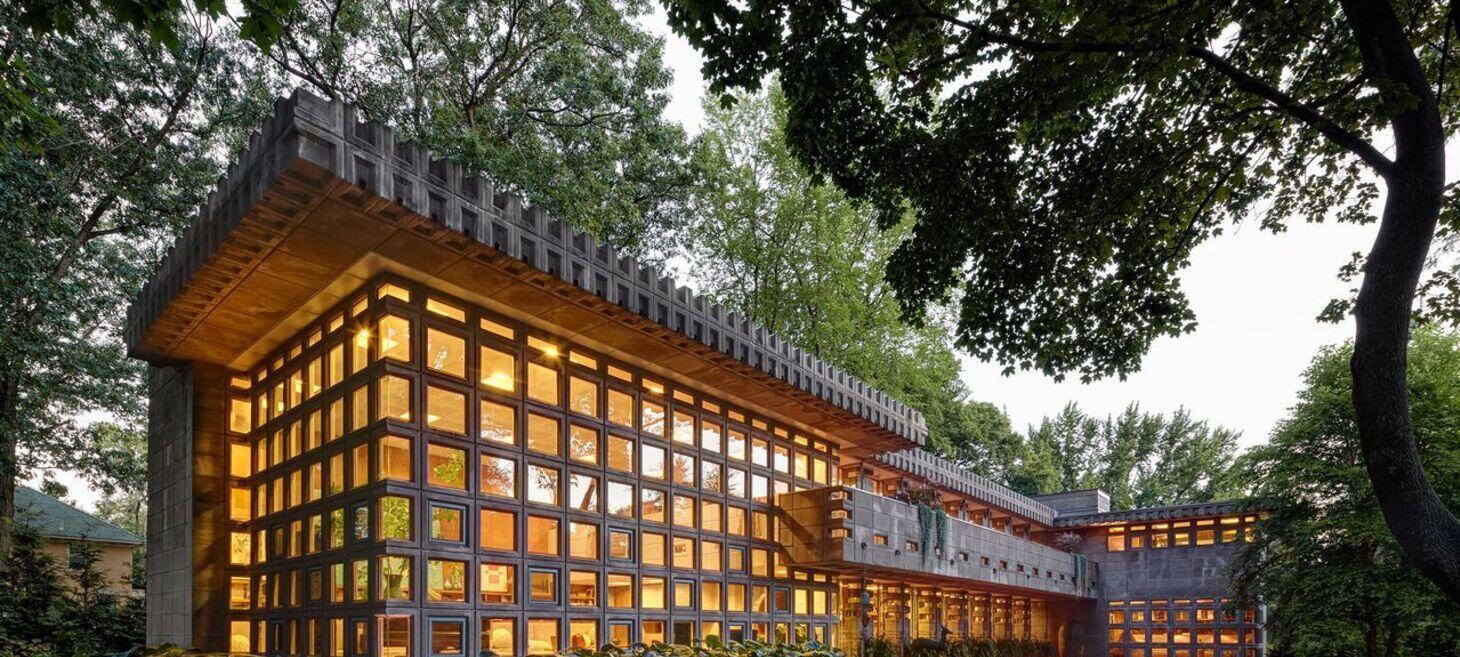
Frank Lloyd Wright Houses: 10 Homeowners Share Their Honest Experiences Living In The Architect’s Creations
Architectural Digest profiles ten homeowners who live in houses designed by Frank Lloyd Wright, exploring what it is actually like to live in his famously distinctive buildings. The common denominator is that Wright’s houses are more than beautiful structures: they actively shape how their owners experience light, nature, movement, space, and even everyday routines.
The homeowners are overwhelmingly passionate about their houses, but they also describe real compromises. Many of the homes are old, require extensive restoration, lack modern conveniences, have limited storage or insulation, and can be expensive and stressful to maintain. One owner of the Goetsch-Winckler House says its poor insulation, lack of air-conditioning, low water pressure, and other shortcomings might become frustrating if he lived there full-time. Others describe feeling considerable responsibility—and even anxiety—about making renovations that respect Wright’s original intentions.
At the same time, the owners say the architecture changes their daily lives in unusual ways. Wright’s carefully controlled views and windows make them more conscious of changing light, weather, plants, birds, and landscapes. His characteristic transitions from compressed, intimate spaces into expansive rooms create a sense of movement and surprise. One homeowner says his house effectively dictates his routine, encouraging him to wake early, drink coffee, watch birds, and live more minimally because there is little storage.
The emotional and social dimension of owning a Wright house enter the discussion. Several owners enjoy sharing their homes with visitors and connecting with other Wright enthusiasts, while some describe particularly powerful emotional reactions from guests. For many, owning the house feels like becoming a caretaker of an important piece of architectural history rather than simply owning a property.
The homeowners' experiences suggest that living in a Wright house can be deeply rewarding precisely because the architecture demands engagement. These aren't necessarily the easiest houses to live in by contemporary standards, but their owners say the distinctive relationship between structure, light, landscape, and daily life makes the compromises worthwhile to them.
Click for more details: architecturaldigest.com
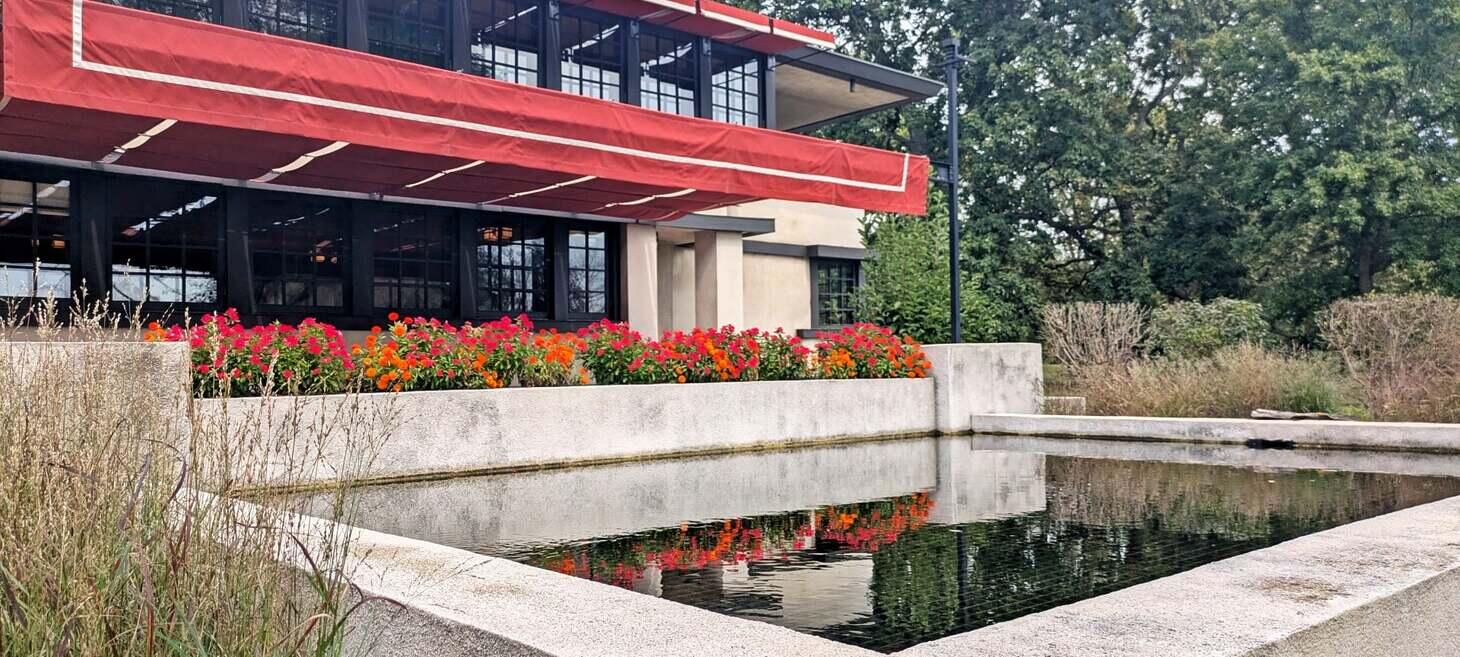
How To Experience The Legacy Of Frank Lloyd Wright In Ohio
Frank Lloyd Wright designed more than 1,000 buildings during his career, and Ohio is home to 11 of his houses plus the Myers Medical Clinic in Dayton. Only a few of the houses are open to the public, but his architectural influence can also be seen in newer buildings and retreats across the state.
The centerpiece is the Westcott House in Springfield, built in 1908. It is Ohio’s only Prairie School-style Wright house and was painstakingly restored after decades of deterioration. The house demonstrates Wright’s emphasis on horizontal lines, open spaces, natural materials, carefully controlled light, and passive approaches to heating and cooling. Many original furnishings and fixtures have also been recovered, making the guided tour an unusually complete look at Wright’s original vision.
Wright’s broader influence is seen through the cabins at Jesse Owens State Park in southeastern Ohio. Although Wright had no direct connection to the park, its cabins borrow heavily from Prairie-style ideas, using low horizontal forms, large windows, stone, wood, and open interiors to connect visitors with the surrounding landscape. The cabins are designed as comfortable year-round accommodations and sleep up to six people.
Other opportunities include the Weltzheimer/Johnson House in Oberlin, an early example of Wright’s Usonian architecture, which is open for limited public tours and also has an online augmented-reality tour. Two houses, Louis Penfield House and RiverRock, offer an even more immersive experience because visitors can rent them for overnight stays. RiverRock is particularly unusual: completed in 2025, it was built from plans Wright prepared late in his life and follows those plans closely.
Ohio is an accessible destination for Wright enthusiasts, combining authentic historic houses with Wright-inspired contemporary spaces. These sites can be reached within roughly two hours of Columbus, making them suitable for scenic architecture-focused road trips as well as individual visits.
Click for more details: columbusunderground.com

Frank Lloyd Wright Homes & The Art Of Appraising The Un-Appraisable
Emily Braman has spent more than 35 years tackling the kinds of appraisal assignments most appraisers would probably sweat about. She is a third-generation appraiser, MAI, SRA, and nationally recognized expert in Frank Lloyd Wright homes. Highly unique properties require appraisers to combine conventional valuation principles with specialized knowledge, careful analysis, and professional judgment when the usual market evidence simply isn't available.
Braman’s approach emphasizes judgment, research, and understanding the distinctive characteristics of a property rather than relying mechanically on conventional comparable-sales data. There is also the potential impact of UAD 3.6 on complex appraisal assignments and the changing role of technology and AI in the profession.UAD 3.6 (Universal Appraisal Dataset) is a major modernization standard that completely replaces traditional, static appraisal forms with a single data-driven Uniform Residential Appraisal Report (URAR).
Beyond valuation, Braman focuses on her work helping women build appraisal businesses through Ascend Appraisers and The Valuation Collective, as well as the broader question of whether appraisal remains a viable career as AI becomes more prevalent.
Click for more details: appraisalbuzz.com
About
This weekly Wright Society update is brought to you by Eric O'Malley with Bryan and Lisa Kelly. If you enjoy these free, curated updates—please forward our sign-up page and/or share on Social Media.
If you’d like to submit content to be featured here, please reach out by emailing us at mail[at]wrightsociety.com.
Eric, Bryan & Lisa | Wright Society Publishers